
Observational Methods and Qualitative Data Analysis
Key Takeaways
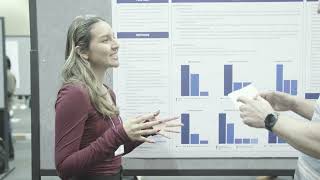
Examines observational methods and qualitative data analysis in psychology using participant observation
Original Description
This is primarily aimed at first- and second-year undergraduates interested in psychology, data analysis, and qualtitative research methods along with high school students and professionals with similar interests.
This course delves into the qualitative research traditions of ethnographic inquiry and case study in psychology, emphasizing the use of participant observation. Students will explore the unique practices, data gathering and analysis methods, and researcher involvement in these traditions. This course explores the interviewing methods used in qualitative research in psychology. The course emphasizes the importance of researcher positionality and the distinctive characteristics of ethnography and case study. Students then learn to apply basic qualitative data analysis (QDA) techniques to the data gathered. The course also covers the utility of observation in understanding context, identifying tacit patterns, and providing direct personal experience and knowledge. It further discusses the role of coding in data analysis, including initial, focused, and axial coding. The course concludes with a look at how to move from categorization to interpretive representation in QDA. This comprehensive exploration prepares students to conduct their own qualitative research, equipped with a deep understanding of various research traditions and methodologies.
Watch on External: Coursera ↗
(saves to browser)
Sign in to unlock AI tutor explanation · ⚡30
More on: Research Methods
View skill →






Related AI Lessons
⚡
⚡
⚡
⚡
I Spent Weeks Looking for a Research Gap Before I Realized I Was Searching the Wrong Way
Medium · AI
ICMI 2026 Reviews [D]
Reddit r/MachineLearning
Workshop submission for main conference paper under review [D]
Reddit r/MachineLearning
Kept context-switching between arxiv, OpenReview, GitHub, and HuggingFace for every paper, so I built this. Chrome extension + website with everything inline, plus citation graph + SPECTER2 neighbors. 3M papers, free, feedback welcome [P]
Reddit r/MachineLearning
🎓
Tutor Explanation

 DeepCamp AI