Object Tracking and Motion Detection with Computer Vision
Key Takeaways
Tracks objects and detects motion in videos using pre-trained deep neural networks
Original Description
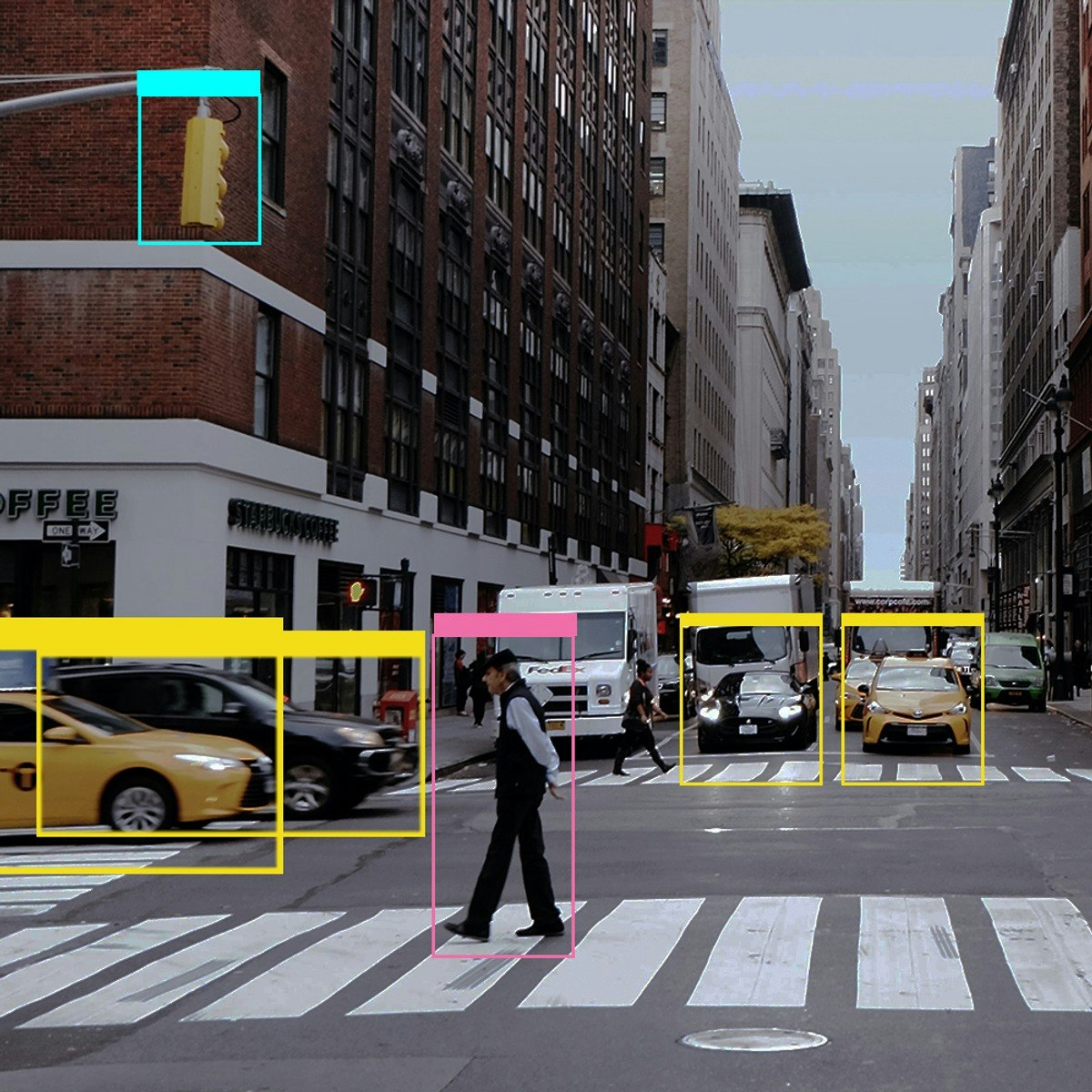
In the third and final course of the Computer Vision for Engineering and Science specialization, you will learn to track objects and detect motion in videos. Tracking objects and detecting motion are difficult tasks but are required for applications as varied as microbiology and autonomous systems. To track objects, you first need to detect them. You’ll use pre-trained deep neural networks to perform object detection. You’ll also use optical flow to detect motion and use the results to detect moving objects.
At the end of this course, you’ll apply all the skills learned in this specialization to a final project. You’ll take the role of an engineer being asked to track cars on a busy highway with the added challenge of counting each vehicle and its direction.
You will use MATLAB throughout this course. MATLAB is the go-to choice for millions of people working in engineering and science and provides the capabilities you need to accomplish your computer vision tasks. You will be provided free access to MATLAB for the course duration to complete your work.
To be successful in this specialization, it will help to have some prior image processing experience. If you are new to image data, it’s recommended to first complete the Image Processing for Engineering and Science specialization.
Watch on External: Coursera ↗
(saves to browser)
Sign in to unlock AI tutor explanation · ⚡30
🎓
Tutor Explanation

 DeepCamp AI