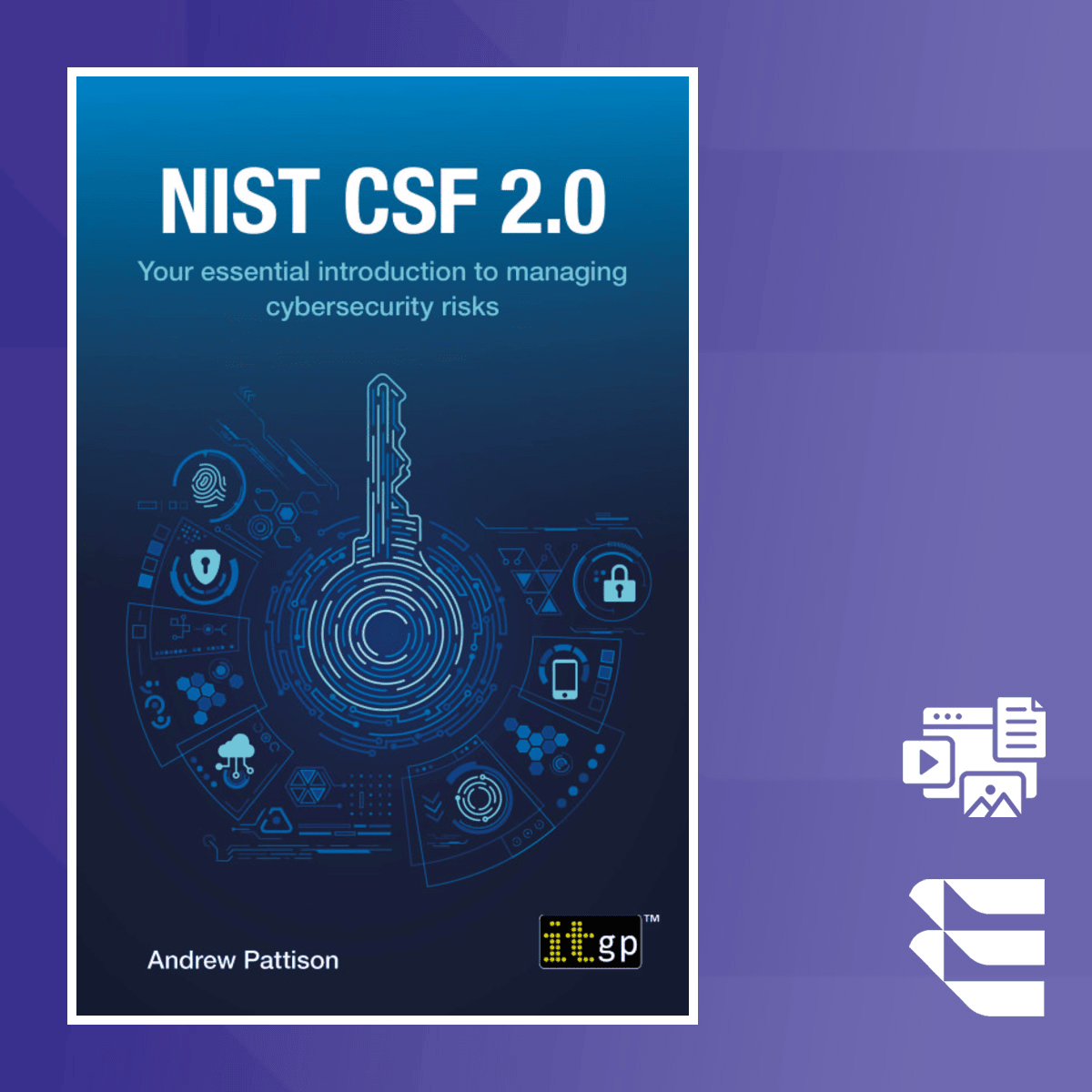
NIST Cybersecurity Framework 2.0: Managing Risks
Key Takeaways
Explains the NIST Cybersecurity Framework 2.0 for managing cybersecurity risks
Original Description
The NIST Cybersecurity Framework (CSF) 2.0 provides a structured approach to managing cybersecurity risks. It focuses on enhancing organizational cybersecurity practices by aligning them with global standards, offering a robust guide for professionals to understand and implement the framework effectively. This course covers the essential components and practical applications of the NIST CSF, helping learners navigate complex cybersecurity environments.
By following this course, you will gain practical insights into aligning cybersecurity strategies with business goals, including integrating risk management approaches into everyday operations. You will also explore implementation strategies tailored to real-world scenarios, making it easier to apply theoretical concepts to actual cybersecurity challenges.
This course stands out by combining the theoretical principles of the NIST CSF with actionable, real-world strategies. You’ll also gain knowledge of how to integrate the CSF with other frameworks like ISO 27001, enhancing your cybersecurity compliance and governance.
This course is ideal for cybersecurity professionals, IT auditors, and compliance officers looking to implement or align cybersecurity frameworks. A basic understanding of information security is recommended to maximize learning outcomes.
Copyright @ Andrew Pattison 2025.
The author has asserted the rights of the author under the Copyright, Designs and Patents Act, 1988, to be identified as the author of this work.
Formerly published in 2018 by IT Governance Publishing as NIST Cybersecurity Framework - A pocket guide.
This version first published in the United Kingdom in 2025 by IT Governance Publishing.
Every possible effort has been made to ensure that the information contained in this course is accurate at the time of going to press, and the publisher and the author cannot accept responsibility for any errors or omissions, however caused. Any opinions expressed in this book are those of the autho
AI explanation not available for this lesson yet
This lesson is still being prepared for the AI tutor. In the meantime, explore lessons that are ready.
Browse explainer-ready lessons →
More on: Security Basics
View skill →![How to Reset Your Fidelity Password [2026 Full Guide]](https://img.youtube.com/vi/VwyXAX9_HVU/mqdefault.jpg)







Related Reads
🎓
Tutor Explanation

 DeepCamp AI