Nimbalyst: The agent-native visual workspace for builders
Key Takeaways
Nimbalyst is an agent-native visual workspace that integrates with Codex and Claude Code to maximize speed, bandwidth, and context for builders, allowing collaboration on markdown, mockups, drawings, code, sessions, and tasks.
Full Transcript
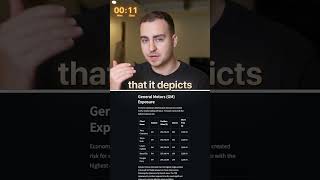
Humans are visual. Nimble maximizes speed, bandwidth, and context for you and your agents. In files mode, ask the coding agent to write a feature plan. Iterate in the markdown, see and approve its red green changes, edit the wizzywig yourself, ask the agent to add a mermaid diagram for you, and then edit it visually. Request an excaladraw diagram of the architecture and edit it yourself. Generate a mockup based off of your plans, diagrams, and code. Annotate with the changes that you want. See the before and after. Approve or reject it, and iterate with the agent. In sessions mode, see the visual responses from the agent. See which sessions require input and answer its questions. The agent tags and organizes your sessions in an editable conbon. See the files edited by this session or work stream or work tree and review them. Get help. Get committed. In task mode, keep track of your plans and to-dos. Have the agent edit tasks and execute them. Nimbleis is the agentnative workspace for builders.
Original Description
Nimbalyst is the agent-native visual workspace for builders. Maximize speed, bandwidth, and context with Codex and Claude Code. Nimbalyst is where builders, agents, and teams collaborate visually on markdown, mockups, drawing, code, sessions, and tasks.
Watch on YouTube ↗
(saves to browser)
Sign in to unlock AI tutor explanation · ⚡30
More on: Agent Foundations
View skill →




Related Reads
📰
📰
📰
📰
Building Production-Grade LLM Evaluation Pipelines: From Vibes to Metrics
Dev.to AI
Why Every AI Engineer Should Learn Hugging Face
Medium · Machine Learning
A bug in Qwen3-TTS taught me voice is biometric
Dev.to · Daniel Nwaneri
What is LoRA and how it lets anyone fine-tune a massive AI model on a single GPU
Medium · LLM
🎓
Tutor Explanation

 DeepCamp AI