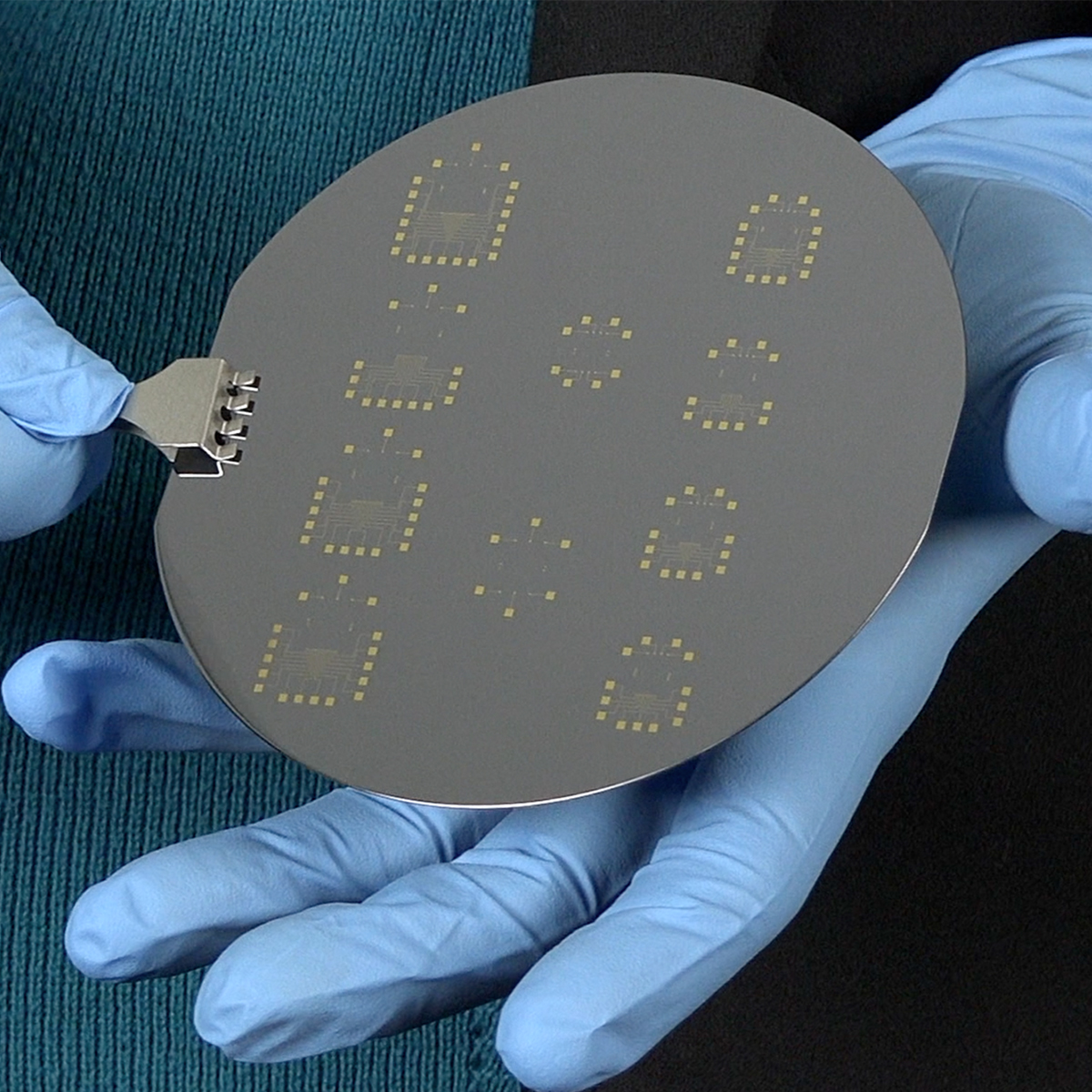
Nanotechnology: A Maker’s Course
Skills:
Research Methods70%
Key Takeaways
Explores nanotechnology tools and techniques for nano-scale fabrication and characterization
Original Description
How can we create nano-structures that are 10,000 times smaller than the diameter of a human hair? How can we “see” at the nano-scale? Through instruction and lab demonstrations, in this course you will obtain a rich understanding of the capabilities of nanotechnology tools, and how to use this equipment for nano-scale fabrication and characterization. The nanoscale is the next frontier of the Maker culture, where designs become reality. To become a Nanotechnology Maker pioneer, we will introduce you to the practical knowledge, skills, and tools that can turn your nanotechnology ideas into physical form and that enable you to image objects at the nano-scale.
This course has been developed by faculty and staff experts in nano-fabrication, electron beam microscopy, and nano-characterization through the Research Triangle Nanotechnology Network (RTNN). The RTNN offers training and use of the tools demonstrated in this course to schools and industry through the United States National Nanotechnology Coordinated Infrastructure program. The tools demonstrated in this course are available to the public through the RTNN.
Watch on External: Coursera ↗
(saves to browser)
Sign in to unlock AI tutor explanation · ⚡30
More on: Research Methods
View skill →







Related Reads
📰
📰
📰
📰
A lightweight workflow for keeping up with AI conference papers
Dev.to · Daniel
Why CitedEvidence Believes Great Researchers Read Less Than You Think
Medium · AI
How to Write a Literature Review That Actually Argues Something
Medium · Machine Learning
I Built a Personal Paper Engine to Stop Losing Research Papers
Dev.to · Ethan
🎓
Tutor Explanation

 DeepCamp AI