Multilevel Modeling
Skills:
ML Maths Basics80%
In this course, PhD candidates will get an introduction into the theory of multilevel modelling, focusing on two level multilevel models with a 'continuous' response variable. In addition, participants will learn how to run basic two-level model in R.
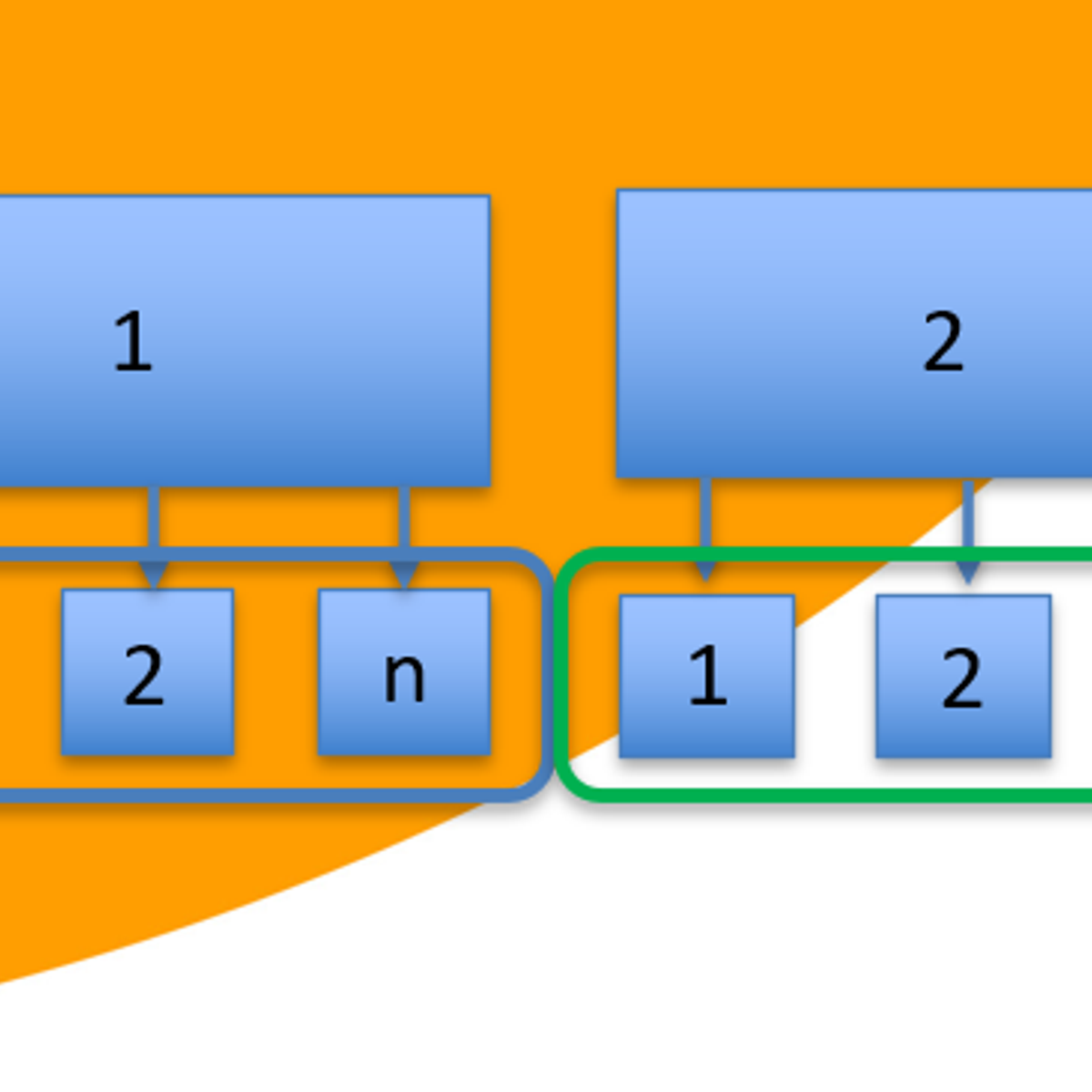
The objective of this course is to get participants acquainted with multilevel models. These models are often used for the analysis of ‘hierarchical’ data, in which observations are nested within higher level units (e.g. repeated measures nested within individuals, or pupils nested within schools). In this type of data causes of outcomes (e.g. the performance of pupils in schools) are located both at the level of the individual (e.g., own and parental resources), and at a higher, contextual, level shared by some of the individuals (e.g. characteristics of the class and of the teacher). Because of this, the assumption of 'independent observations' is violated with hierarchical data, but multilevel modelling can easily account for that. Moreover, multilevel modelling can easily deal with missing data (in most circumstances).
This course is designed and presented by Dr. Joran Jongerling on behalf of the Erasmus Graduate School of Social Sciences and the Humanities (EGSH, www.egsh.eur.nl) of the Erasmus University Rotterdam in the Netherlands. Should you have any questions about the organization or contents of the course, please send us an email at contact@egsh.eur.nl.
Watch on External: Coursera ↗
(saves to browser)
Sign in to unlock AI tutor explanation · ⚡30
More on: ML Maths Basics
View skill →





Related AI Lessons
⚡
⚡
⚡
⚡
Nigeria’s FMCG market hits $25 billion, yet only 18% of retailers have access to formal credit — FMCG Industry Report 2026
Techpoint Africa
How to Build a Sales Funnel for a Startup
Dev.to · Spencer Claydon
Okay So I Am 19 And Not a Billionaire Yet
Medium · Startup
War Taught this Ukrainian Entrepreneur the Value of Resilience
IEEE Spectrum
🎓
Tutor Explanation

 DeepCamp AI