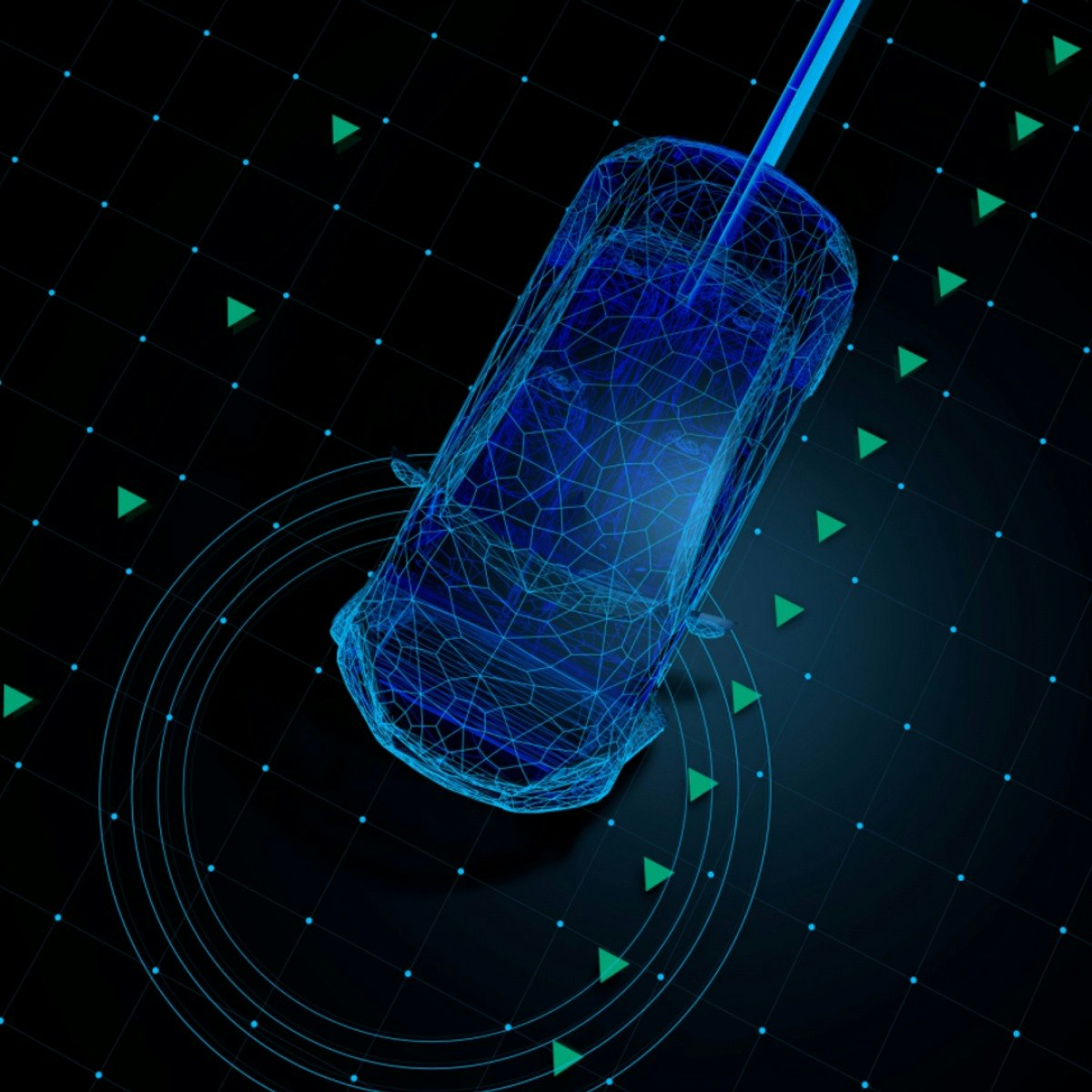
Modeling of Autonomous Systems
This course will explain the core structure in any autonomous system which includes sensors, actuators, and potentially communication networks. Then, it will cover different formal modeling frameworks used for autonomous systems including state-space representations (difference or differential equations), timed automata, hybrid automata, and in general transition systems. It will describe solutions and behaviors of systems and different interconnections between systems.
This course can be taken for academic credit as part of CU Boulder’s MS in Computer Science degrees offered on the Coursera platform. These fully accredited graduate degrees offer targeted courses, short 8-week sessions, and pay-as-you-go tuition. Admission is based on performance in three preliminary courses, not academic history. CU degrees on Coursera are ideal for recent graduates or working professionals. Learn more:
MS in Computer Science: https://coursera.org/degrees/ms-computer-science-boulder
Watch on Coursera ↗
(saves to browser)
Sign in to unlock AI tutor explanation · ⚡30
Related AI Lessons
⚡
⚡
⚡
⚡
What Building an AI Surveillance System Taught Me About Software Engineering
Dev.to AI
AI Voice Agents Are Not Replacing Your Receptionist
Dev.to AI
Why AI Agents can’t judge themselves
Dev.to · eleonorarocchi
I Built a 10-Agent AI Code Review System with MiMo — Here's What I Learned
Dev.to · Jansen003
🎓
Tutor Explanation
 DeepCamp AI