Microsoft Azure Developer Full Course 2026 | Microsoft Azure Tutorial For Beginners | Simplilearn
Skills:
Systems Design Basics80%
Key Takeaways
Covers Microsoft Azure development for beginners in a full course tutorial
Full Transcript
your course. Today, cloud is no longer just a tech buzzword anymore. It is the backbone of how modern companies run their apps, store data, manage services, and scale their businesses. And when we talk about cloud platforms, Microsoft Azure is one of the biggest names out there. So, if you want to understand how Azure works and what an Azure administrator actually does, then you are at the right place. In this course, we are going to learn Azure in a very simple and beginner-friendly way. So, here's what we'll be covering. First, we will start with the basics of cloud and Azure so you can clearly understand what Azure is and why businesses use cloud platform. Next, we will talk about the role of an Azure administrator and understand the kind of day-to-day responsibilities this role includes. Third, we will cover important Azure infrastructure concepts like virtual machines, storage, disk networking, data centers. Fourth, we will learn how Azure resources are organized using tenants, subscription, and resource group. Next, we will understand regions, availability zones, and deployment basics so you get a very clear idea of how Azure handles availability and reliability. We'll also talk about licensing, governance, and cost control because these are very important in real business environments. And by the end of this course, you will have a strong beginner-friendly understanding of Azure administration and how Azure is used in the real world. Also, if you're interested in learning Azure in a more structured and career-focused way, we have the Microsoft Azure Cloud Architect Masters Program. This program is designed to help you build strong foundation in cloud skills through live online interactive classes, hands-on learning, and content aligned to AZ-900, 104, and 305. You will learn important Azure services, cloud architecture, security, cost management, and real-world implementation. Along with that, you will get access to official Microsoft learn materials, class recordings, and career support to help you move forward in cloud tools with confidence. On successful completion, you will earn a program completion certificate from Microsoft and simply learn, and you can also receive course completion certificate based on the Microsoft Learn portal. So, what are you waiting for? Hurry up and enroll now. The course link is mentioned below. Now, before we get started, here's a quick quiz question for you. Which Azure component is mainly used to group related resources together? Your options are region, resource group, tenant, or availability zone. Let me know your answers in the comment section below. >> Welcome you all to job-oriented Azure administration training. So, what does it means now? For an example, if someone ask if you are an Azure administrator, what your day-to-day or from 9:00 to 5:00 look like. This is the very, very first important understanding of the context of the whole training. How your day look like. And this is a very, very important part for all of you to understand. Second, remember one very important part for 104 or you can say administrator role in Microsoft Azure platform that you actually do not have the free hand. When we say a free hand, means need to perform a task which is assigned to you. So, there is no, you can say that a kind of a liberty as an Azure administrator at initial days. As you get matured, when you have that experience, then probably you can take certain decision by your own. But in a 90% cases you basically get instruction. How you get instruction. How you execute the task and so on. So in the next 10 days that is my promise. That after the 10 classes you understand each bit of Azure administration as well as you should be confident enough if you are trying for a job role change or if you trying to get a probably a role in any of the Azure administration world. So these two questions, please remember. And that we will discuss in the ninth or 10th class one more time to understand how much clarity you get. Yeah, it's it's a quite different than what usually we have in a training. So before we start our a formal journey on AZ-104 let me have let me have a simple question. What is Azure? Why any customer use Azure boom in last four to five years? Everyone go crazy. I am going for an Azure. Okay. It's a 104. Saurabh? All right. So, let me have your understanding. What is Azure? Can anyone say as per your own understanding till now, what is Azure? Saurabh, Sumant, Rohit. Ajira. Sneha. I'll Srinidhi. Your input in your understanding. What is Azure? Cloud platform. Bum- Bamsi. Okay. Very good. Cloud provider. Mhm. Microsoft Azure cloud. Cloud. Yes, exact. Infrastructure on their own data center. Uh Assis. That's very good. And Yes. Yes. Yes. Yes. Yes. Yes. So, I'm just pasting few of you. All are perfect fine. Shak Muhammad. Hey Shak. Nice to see you, buddy. You are also in this match. I got to have infra across tenant and storage. Dharmesh. Yes, exactly. Provided by Microsoft. It's a web service. Service. Mhm. I think that most of you are actually uh able to decode Azure. And that's a very good news. And Prakash said that it's a public cloud service to manage I I I I I get your context. All of you are fantastic. And they get freedom to us up a scale and terminate. Exactly. Exactly. As is. Yeah. So, I actually put some of your point. Everyone point is a quite valid. That's a very good news. Now, my question is why any customer should use Azure? And why Azure boom is there in the last four and five years? Platform as a service. Yes. Bumstead platform as a service. Perfect. Cost efficiency. Saurabh, cost efficiency is the one of the reason why customer you know, go for Azure. Capex and Opex. Gregory, mhm. Less on premises data center maintenance. Gayatri, that's very good. Yeah, it's exactly. This is the main reason, right? So, cost Yes, Azure is a cloud-based platform which provide SaaS, IaaS, and PaaS. All these three service. Integrate with the Microsoft service. Mhm. Cost effective. Yes. So, in the nutshell high availability, business continuity, right? So, for an example, I'm just putting it out here. Few of you mentioned cost benefit. Few of you mentioned cost benefit. Few of you mentioned high availability. You can say that business continuity. Correct? Easy management, right? Vidya. It's a simple management in enterprise trust good deep Yes. Yes. Yes. So, you can take a OPEX model in a state of OPEX. You do not have to spend money. global availability minute Font size is actually eight. Uh there is an option in the zoom. When you click on the top, you the screen will get enlarged. Just try that. user-friendly Mhm. Perfect. All right. Okay. Now, why Azure boom in last four and five years? So, if all these are the benefit, please listen my question very carefully. When these are the benefit of Azure, it's not new. It's not new, right? Then, why customer not opted for Azure or any cloud platform for so long time? Because the cloud already present in this whole a space for last 23 years. These all are the benefit which you all listed. So, why customer resist? Why customer now uh start boarding on the cloud platform nowadays in last 4 to 5 years? What is changed all around? What is the trigger point of why Azure boom in last 4 and 5 years? Security, but security was there for a long time, right? Gayatri? But Raghu, uh storage capacity was there for a last 20 years, no? It's nothing new. Cost benefit is also there for a last I can I think that 20 years. Yes, that's all. I That's what I'm saying that. These are the benefit is not new. You all agree? These are not a new benefit. It was there for a quite two decade before this benefit is still available. So, why customer not going for an Azure? That is my what my question. Gayatri, unmute yourself. >> Uh hi Bipin. >> Hi, Gayatri. So, you know you know understand my question. So, for example, if these all are the benefit then why I as a customer I do not like to go with you. I say 5 years back. What is limiting me and what is changing now? >> Uh data is increased now by the time and that could be the reason we shift to the cloud. >> Okay, Gayatri, let me ask a question to you. Nowadays, if you have to watch a movie, what do you do? You go to movie theater or you watch on Netflix? >> Yeah, OTT platforms prefers mostly. >> Sitting at your home, correct? >> Yeah. >> If you have to, let's say, uh uh uh need something and you have to just order online. So, you like to go outside and then you get the thing or you just uh prefer to order order online by sitting at your home? >> Order online. >> Correct, now? So, why this app is now available now? Why this app is not available 10 years back? Why there is no Zomato, you know, no Blinkit? Why it's happening now? What is changed? Anyone guess what is changed? >> Tech tech parties changed and >> No, Gayatri. So, before that, you what was your internet speed 5 10 years back? You remember? >> Yeah, correct. Correct. Yes. >> It is just like you know, when you watch any movie, it will just buffering buffering buffering, correct? >> Correct. >> So, even if I have a Zomato, how can you use that? Because you click Zomato, it will say buffering buffering buffering. >> Uh yes. >> Yes? Yes? >> Yes. Yes. Got it. >> This is the main trigger point, my dear friend, okay? So, if you look at here, before that, you have a internet speed of 2G. 2G, what has changed suddenly? 2G is now became a 5G. And even in many country, the 6G is already in a process of a rollout. So, when you have a fast internet availability, it powered a smart devices like phone, tablet. So, when these fast internet provide or you can say boost a smart devices, people like you and me, what our behavior change? Our behavior change is that by sitting at our home, we like to avail the service just like that. Today, I and you be both are connected on a Zoom platform. Can you do it 10 years back? It is almost impossible. Almost impossible. So, when customer behavior change, it impact the companies. So, let me give you a context now. Before that, before that, a business business depend on business depend on or you can say huge app. So, even 10 years back, if you go to bank if you go to bank you have to stand in a queue then at the counter they ask a certain question from you and they fill the some detail. So, 10 years back, 20 years back they still use application. Business is still use application. And your application depend on infrastructure. So, where application is running? on infrastructure. And what is the best part of this approach? If application is down remember 10 years back. If application is down is still business function. So, remember that even if the application is down is still you can do certain task. Certain task. Correct? What is happening now? It's a app who drive the business. It's a app who drive the business. Let me have give you a very simple uh analogy behind. If Uber app down what you can say that a general manager a CEO can do? If Uber app is down Can't they do anything? Nothing. Nothing. So, remember my friend, today era, right now where we are sitting, we call it as an app driven world. Everyone agree? Agree? Yeah? So, how this changing scenario trigger the adoption of Microsoft Azure or cloud platform? Because that is interesting. That is happening at a business and consumer side. What to do with What is the relationship of the app driven business scenario anything to do with Microsoft Azure? Now, let's go deeper dive. Now, we are try to understand how number one, internet power a smart device. How a smart device power a business now. So, it's a app driven business nowadays. How app driven business is actually trigger Azure adoption? I give you a sensitive information now. So, for an example, if you have to use Uber or Amazon, do need to register? Yes. Yes. And what you provide what you provide when you register whether you notice or not, you provide your whole personal detail. You provide your name. You provided your date of birth. You provide your address. You provide your national ID card. You provide your credit card. Do not you think this is a very, very personal information? Yes. Now, remember when I as a company let's say for an example, I am I am a company who is based in India. Let me call myself Simply Learn. Today we are working in India. Tomorrow, I want to open my business in France. I simply rename a Simply Learn.fr. Who am I? India-based company. Where I want to work? In France, which is a totally different country. So, today, India and France is a very good friend. Tomorrow, tomorrow, for XYZ reason, that friendship is not good. Now, in Indian company, Simply Learn, have lot of data about the French citizen. In the in the changing scenario, is it possible that we can use this data to target, to disrupt something to that people who already give all their information with me? Yes or no? I can or I cannot? Because their every information is India now, in India. Correct? Correct? That is very, very important to all you to understand now. So, France said that, "Okay, dear Simply Learn, if you want to do a business with me, 10 years back, you have to only opt in a business license. 10 years back. But now because you are doing app-driven business and your app capture a lot of data. Please remember your app capture a lot of data which you do not know. For example, your IP address. For example, your device name. For example, your location. Are you aware that your app is capturing all this data as well? So, France saying that hey dear Indian company, you are welcome to do a business in France, but now you have to a store data in France only. You cannot store this data to India data center. So, what they say now? Data residency. If you do not heard this term, please now heard. It's called data residency law. For example, GDPR in Europe. So, simply learn say that okay. So, it means that if I have to do a business in France, I have to first obtain a business license. Then I have to also have a data center. Please remember this is a very very important part which help you to understand how Microsoft Azure trigger. So, one data center I already have in India which I have spent billion dollar to get that data center. So, when we say a data center, it means that it's a real estate. You have to occupy a space, and you know that in the real estate price nowadays is just a skyrocketing. You have to hire multiple people from guard to the engineers, to the managers. You have to You have to purchase thousands of servers, network devices, and then you have to do a compliances like ISO compliance and so on. So, your investment in setting up a single data center can be $1 billion. I'm just saying that similar now say that, "Hey, I have to spend $1 billion." Before even we uh start the business, I have to invest $1 billion. You are a businessman. Let me ask a question to you. Can you take a risk in this geopolitical scenario that you will invest $1 billion to somewhere, and tomorrow for XYZ reason if business doesn't fly, what will you do with all this investment? Does it make sense to you? If you are a CEO of a company. Absolutely no. Let me call Asif. Asif. >> Yes, sir. >> Yeah, buddy, you are CEO of a company. What will you do now? >> Absolutely not worth to spend that much money in a country, and if the business doesn't boom, you're nowhere. >> You are nowhere, right? Your investment go for a toss. >> Yes, absolutely. >> Right? So, if I come to you, I'll say that hey Ashish, hey Ashish, I am Microsoft. Okay? I give you the data center on rent. How much you have to pay? Nothing. Zero. Nothing. Okay? So, in this data center, you host your service, host your uh you can say data. How much you use, you just have to pay. If you do not use, you do not have to pay. Which option will you go go with? Uh build your own data center or you are like to, you know, become my guest and to you occupy some uh space in my data center. Which one is the most feasible option for you? >> Obviously, option two. For the business. >> Exactly. Everyone is agree now why Microsoft Azure boom suddenly. Correct? Correct? This is the main reason why, dear friend, why why Microsoft boom everywhere. Yeah, Sourav. Sourav, unmute yourself. >> Yeah, hi. Hi, everyone. So, now now now you're telling that means Microsoft is giving the data means Azure platform for the means for the functionality of the business. But the again the question is coming for the data. Means data is again storing to the Microsoft sites itself. >> Correct. In the in the Microsoft data center. Correct. Perfect. Yes. Yeah. But in the same country. Correct, now? And this is the France requirement. >> But the Microsoft having the some different different regions where the DCs are located. >> No, so you cannot restore the data anywhere. >> Okay. >> You cannot do that because one simple audit and you're gone. >> Okay. Okay. Okay. >> Okay, now? Right? So, remember any one of you who is in India, we have a Blackberry. Everyone remember Blackberry? I think for for few of you use. What happened to the Blackberry? What happened to the Blackberry? India government demand, "Hey Blackberry, you are a US company. You when you are uh staying in India, when you're doing a business in India, you have to set up the data center in India. You have to host your whole data in India." Blackberry refused. India said, "Pack up and go." That's how you Suddenly you see that Blackberry disappear from India. All their investment go for a toss. Correct? Few years back, there is a big fight happened between Instagram, Twitter, and government of India. Yes? Because now the every government is a start demanding. "If you are a foreign entity, you are welcome, but you have to now uh store all the data here. Is that clear now? Why you as a customer, I as a customer, I have no choice if I have to go global, I have to host my data into the territory where I supposed to do the business. And this is how Microsoft is Azure or any cloud platform boom. Clear? Very good. So, what exactly the Microsoft platform is? What is the Microsoft platform is? Remember any cloud platform. Exactly. Uh that is a different question, but I don't So, I'm just talking about why cloud infrastructure is booming now. When I say Azure, I mean to say cloud. Uh it can be AWS also, okay? Now, let's understand the global infra of a cloud. What does it means now? And that is very interesting to know. Every cloud provider, they divide the whole world into manageable geography. And that is very interesting to know now. For example, we have a geography called US. We have a geography called APAC. We have a geography called Europe. We have a geography called Middle East and so on. Africa. What is the meaning of geography now? Remember when we say that we are in APAC region. Now, you go to any country in a park, any country. Number one, you find certain similarity in terms of some kind of a cultural You can say that culturally somewhere we are similar. Second, within that particular geography, usually one country will have some kind of a agreement with another country. Like in APAC region, you have SAARC. Have you heard this name before? Like in Europe, you have a European Union. Correct? Yes? So these are the political alliances. What we call political alliances. What does it means by Yes, yes, yes, perfect. So what I mean by political alliances is is when let's say I am India and because of the SAARC political alliances, I have a agreement with uh for example, Sri Lanka. I have agreement with some other countries, okay? So, this agreement means as a government of one country, I am trusting the government of another country. So, your cloud provider actually tap this political alliances. They understand that one country trust another country. How does it help? So, in the US region they set up their data center in East US for an example. in West US and let's say in a Central US. Same way in APAC they set up the data center in India. They set up the data center in Singapore. They set up the data center in Japan. But there is no data center in Sri Lanka. There is no data center in South US. So, remember when we say a data center these data center are usually called tier four data center. Let me ask a simple question to all of you. Azure AWS Google you take any big name. All their data center are in Mumbai Chennai and somewhat in Hyderabad. But why there is no data center in Delhi Gurgaon and in Noida in India? Any guess? Why there is no data center in Delhi Gurgaon? >> earthquake prone area. That is a very, very important part. That is a very, very important part. So, remember you cannot build a data center for a cloud in earthquake prone area. That is a very, very important part. Okay? Yes. Yes. Second very, very important part is these data center are actually connected globally. Globally. But, if you see the globe, 70% is water. So, it means that the internet fiber line is run through the water line. So, it means that these data center Yes. Yes. Should be near coastal area. And third, that is of course that is you can say in a generic you will see the stability of the country, right? Uh the taxes, how the taxes is there, what is the compliance requirement of the country, and so on, so so. So, there are a huge long a checklist why why a data center cannot be set up in certain region. So, maybe south US is a landlocked area. Maybe in the south region is earthquake prone area, we do not know. Same way, if you look at that there is no data center in Sri Lanka. Possibly instability might be one of the factor and it can be any other reason as such. So your service provider like Microsoft like any other they set up the geography. geography They have a reason. And then they have a data center. Now, I'm a customer. Just Just take this word. I'm a customer. I host my data center in India and this data center is in Andheri, Mumbai. If you are outside India, Andheri is just like one of the downtown. any big city And I host my let's say a database for example. Let's say for example SQL Server in this Andheri, Mumbai. I also have my server which can be a VM running in this Andheri, Mumbai. And I am a e-commerce giant in India, Flipkart. It's a peak season. Millions of user login on my on my flipkart.com. Suddenly, Andheri Mumbai data center is down for any XYZ reason. Fire broke out. Hardware failure. Or it might be flooded. Or might be the municipal corporation of Mumbai dig the road and cut the fiber. Is down. Millions of users suddenly say Flipkart is offline. Anyone who is not from India, Flipkart is just like an Amazon. It's a local, you can say e-commerce platform. So, Flipkart will go to Microsoft. Hey Microsoft, I trust you. I put all my service in your data center. Oh, now you are giving me a lame excuse because of XYZ reason your data center is down. So, what can I do? My business is lost. My reputation is lost. Is that good or bad? Very bad. Very bad. So, So, Microsoft say that all right, all right, all right. Do not worry. I understand business is critical for you. So, in the same region, in the Mumbai itself, I have now data center. Please remember it is just for your understanding. One is in Andheri, Mumbai. One is in let's say a BKC, Bandra Kurla Complex. And second is let's say for example any others reason in where? Let's say XYZ. Wadi. All right, let's say the Wadi will Powai, huh? Powai. Powai, Mumbai, okay? All right. So, please remember one more time. So, it means that in the same region in the same region, Mumbai Microsoft has built more than one data center. And these data center are connected with each other with the very fast fiber network. Very fast fiber network. With the you can say that it's a very minimal latency. So, Microsoft given offer now. They say that, "Hey customer, if business is so important for you, you create a replica of your database from more than one data center. Of course, you have to pay price three times. But in this way you get something which is called high availability. And what we call? Availability. So, So, what you have? Geography, region, availability zone, and the data center. Data center, okay? Do you know AWS? Anyone of you know in this batch AWS? No. AWS, what is that? It's a cloud service provider. Okay. Hold on. So, AWS will have a geography. AWS will have a region. AWS have availability zone. AWS have a data center. Anyone know Google? What is Google? It's a cloud platform. Okay? So, Google have a geography. Google have a region. Google have availability zone. Google have a data center. Anyone know for example Bamsi cloud? Bamsi? Bamsi cloud, anyone heard? Or Sandeep cloud? No. No. I don't care. What is Bamsi? Oh, it's a cloud platform. Okay. Then Bamsi have a geography. Bamsi have region. Bamsi have availability zone. Bamsi have a data center. Is that clear now? Is that clear? Any cloud any cloud exactly the same. Pankaj >> Yes, sir. >> Pankaj I am working on AWS. Okay? >> Mhm. >> Can I get the similar architecture there? Whatever we see. >> Similar architecture, yes, you will get it. >> Yes. So >> Yes. >> if I ask Google, can he give me Everyone go back to Google, please. And just type here Azure speed test. And you get this option. Azure speedtest.com, okay? And then you type AWS speed test. And just look at that and just tell me, are you see any difference? Correct, Pankaj. You see everything, right? Asia Pacific Asia Pacific, correct, now? >> Correct. >> Correct? You see that uh uh Europe you will see Europe here also. >> Yeah. >> So, I have to say no difference. It's exactly same. >> Yes. >> Correct? And if you look at that on the left-hand side, you have Azure region. And here also you have a region. >> Correct. >> Here you see you have availability zone. Here also you see availability zone. Is that clear to my dear friend, everyone? >> Yes. Yes. >> Yeah. Yeah. Yeah. So, it means it means Pankaj, if tomorrow if I ask you, hey Pankaj can you explain me a cloud XYZ? You do not have to go in detail. The moment you understand it is a cloud platform, just go through the same architecture. >> Yes. >> So by mistake if you learn AWS from me, you will surprise that sir, it is the same thing you teach me in 104. Got the same architecture is there. >> Correct. >> All right. Yeah, yeah, very good. Nice. Yes, I hope that it's a it's a very very much clear now to all of you. Correct? So Yes, yes, yes. Very good. Yes. So Nice, this is just an introduction from me beginning. I hope that you understand that how the way we move forward. Now here I am drawing up the map for your learning and study. I start with week one. Week two. Week three. Week four and week five. So week one we are going to talk mostly about a compute power that is a server. Week two we are going to talk most about a storage service in Microsoft Azure. Week three which is for me it's a very important one. We going to talk about the app service and a network service. App service and virtual network service. Week four, we are going to talk about HR and DR including your load balancer. Your firewall and we're also going to talk about the security. Especially the key vault concept. Week five, we are going to going to understand about how you can manage whole Azure as an administrator. Other way around of portal like your CLI, your infrastructure as a code monitoring. So, I am just talking about the ARM. And in the final one, we talked about the monitoring of So, let me to write it down. Week one and in today and tomorrow, we talked about the VM in detail in depth. We go with Microsoft storage. Both Saturday and Sunday, it's a big topic. We are going to understand about an app service and a network service. Here we talked about the high availability DR plus security. Here we talked about the infrastructure as a code like a bicep ARM plus monitoring. Yeah, is the plan clear? You can take a note. Huh? Yeah, very good. So, can we have a quick start 5-minute break just to go to washroom, come back, and then we discuss about the first topic of the day, that is a virtual machine. All right? 5 minutes, just 5 minutes. Please have your refreshment, come back. We're going to understand the first virtual machine. Before that, let me give you one corporate scenario to understand why we need this service. And as an administrator, where your role come. So, a customer want to host its website on Microsoft Azure. This website is developed in HTML Java React .NET. Whatever you think this is. Now, this is one of the ask of a company. They want They have a website. And then they want to host it in Microsoft Azure. Now, just to give context at this point of time, in Microsoft Azure cloud platform, we have a multiple service which where you can host your website. One is we call it as a server, which is essentially a VM. You can hold it or store it in a a storage, which is called a blob storage. You can host the website in a app service. And we also have a world where we talk about the container. You can host it it in a container as well. So, someone who in the role of solution design we also called them as a solution architect they first understand this requirement and then they have lot of questionnaire to ask from the customer. So, for an example in generic if I am a solution architect I ask a questions by looking at this scenario, hey customer does your website is a static or dynamic? This is a very very important questions. The moment customer say that no, my website is a dynamic website means it can keep changing. Let's say it's a dynamic. So, the moment I have a clarity that the type of website which customer is looking at is a dynamic website, a storage account gone because a storage can only host a static website. To drill down further we I as a solution architect, I may ask another questions. Do you need to control backend like an operating system? Because in a certain scenario, customer want to deploy its own antivirus. Customer want to do hardening of the service, means disable lot of services from the Windows. Customer want to control the patch management and so on. Some of the compliances require it. Like PCI compliance. So, in that case, customer say that yes, I need back end control. Then, the app service gone, because app service do not let you control the back end OS managed by Microsoft. Maybe to do a further isolation, as a solution architect, I may ask one more question. Does your application is code base or container image base? So, essentially, what I am asking here, do you have a code? Or your whole code is encapsulated as a you can say that DVD image. If customer give me an answer that it is a pure code base, I do not have anything called container image. My developer develop the code and it is now available to here. The container service gone. So, I mean to say, someone at a top level, they make this decision. What exactly needed and how they do that? By something which is called asking a questions. A lot of ways so when you if you if you are already enrolled for 4305 uh you probably understand this one when you are in that module. But this is the same thing. Let's say for an example once that uh requirement is clear means we are going to have an a virtual machine. So a solution architect then do the second task. It uh create a complete map. Map in the sense okay, I am going to create a VM. Which VM? So they make decision now. In Microsoft Azure we have something which is called as an S K U. You can think it like a pricing unit. Or in a very crude language we also call it as a family. For example, when you go to Domino it give you three options. A small pizza, medium pizza, large pizza. And you have to select from them. So there are many families which is available. We will discuss it very shortly but at this point of time they decide which family. Second they decide what should be the VM name. Third they decide which operating system they have. And in the operating system again there is a lot of things like a licensing and all coming to the picture. Third, they decide which region this VM should be run. So, once the decision has been made, they give you the again draft something it is called a execution flow. In the execution flow, they give you a a full you can say that diagrammatic view. So, for an example, when I say this is a VM, and let's say in this VM we install Windows operating system. So, we have a Windows operating system in this VM. And to run a website, we need something called web server. So, there are multiple web server available. Can anyone of you, if you know the web server, can you put a name there? IIS? Very good. Yes, yes. Anything else? Apache, Nginx very good. Love it. So, you have for a Linux, you have a Apache. You have Nginx. In Microsoft, usually we use something called Internet Information Server and so on. Tomcat, right? Tomcat, yes, yes, exactly. Yeah. So, top three is basically using a Linux. LiteSpeed also, Yes, yes, sometimes we use Shubham. So, because it's a Windows, so we prefer to use IIS. So, in this we install a web server called IIS web server. That is what we are going to install inside that. Now, once IIS get installed in this uh VM, it will give me something which is called a virtual folder. Usually, this virtual folder are located inside your default C drive with called inetpub. And within the inetpub, you will have a folder called wwwroot. Inside that folder, you put your your uh website code like you have an HTML, you have a Java, you have a Python, whatever you have. You can just put it inside that. So, I put my HTML code inside here. So, it means that first we have to create a VM. Inside the VM, we need to install IIS. Inside the IIS, we need to put my HTML, Java, .NET, React, any application. And then this VM will also have something which is called a public IP. This public IP can be mapped with the DNS like a GoDaddy. Or this public IP can be directly accessed by the user because it's a public IP, so it is accessible from outside. So, any user can hit this public IP and get the website or this public IP can be also uh match with the map with DNS and people hit the DNS name like a microsoft.com and then can get the website. This all decision where I am as an administrator, I am nowhere. Till now, we do not have an any idea what is going on outside. So, remember this is administration, okay? Now, this all has been drafted and then you as an administrator, you come to know how. So, there are many method available. Few company will give you information via email. You get a formal email. Hey dear administrator, this is what we have to do. This is what you have to create something, right? Yes. Uh one formal method, so if you are very new to Microsoft Azure administration, we call it as a ticketing tool. Correct, very good. Like Saurabh has already put few names, I also put that name for you. Better you can do a Google, watch some video before going for an interview, okay? Like ServiceNow. BMC Remedy. Jira. Salesforce, yes. Jira Salesforce So, anyone of you, if you are very, very new to this whole world this name can be Yes, Bimal. DevOps board also, but that is more when you are in a DevOps as a simple administrator this is what the tool you can use, okay? That's what. Excellent now. So let's say for example in in my company if I have to get this job done I will get something which is called a ticketing tool. So, I will get a ticket and that using that ticket I will you know get the whole bunch of tasks to perform. So, usually in the ticketing world someone who for whom this VM is created, let's say this VM is supposed to create for my HR team. So, any department like HR or you can say sales you can name it any who own the server uh basically they raise the ticket. Usually this ticket will come for department head for approval. >> And from there it is come to the FinOps team or you can say that if your accounting team who actually create the budget, how much you can spend to in this VM because Microsoft service is not free, it's a chargeable. So, FinOps team you can say provision budget. And this is a very dangerous part because once you have the budget, you have to be limit inside your sale budget. Then it will finally come to the IT team. So, you have an IT team manager. Now, IT team manager then choose you or choose me as an administrator who's supposed to do this task. So, then the ticket assign to you. So, I mean to say if you look at that this is a full flow how this ticket will done. I just give you a sample ticket for you to visualize how it might look like. It can be different in a actual world scenario. So, for an example here I'm saying that I have a ticket number Let's say it's related to Azure so I have a Azure and let's say it's for HR team so it's might be an HR and then some number. And probably here it's say that who has request by let's say HR manager or the name of the people and then the priority of the ticket. Let's say it's a high. It means it need an immediate action. And then probably inside that it will give okay, you have to give a name. VM name Let's say my name is Bipin. So I'm saying that Bipin HR SRV 01. You should also have a like which OS. So I'm saying that we 2025 which is the latest one. And then you probably have what is the size? So number one as per the SKU you use the any D series machine. You have to give two CPU. And 80 GB memory you cannot go beyond. This is the limitation you have. And then it also decide what the username you give. So let's say HR admin. And what the password you give? Let's say for example password at the rate 123. I mean to say if you look at this whole ticket now this is how it sample look like. So anyone who is first time entering into the world of Azure administration and preparing to crack the interview remember this one. Because generally interviewer know that people who is come from lot of training and they do not carry the experience. So when someone ask can you create a VM? You say yeah yeah yeah immediately I can create a VM. And that is the time when you rejected. You you do not understand I answer correctly why I get rejected? Because you try to demonstrate your knowledge. And where the approach is absolutely different. So next time as an administrator if someone ask a question can you create a VM? You say yes. How you create a VM in your company? Do not say that, "Okay, I go to the portal. I do that." First, you say "This is how I assign a ticket. In the ticket, it everything is mentioned and I follow the whatever is mentioned inside the ticket." Is that clear so far? Shall we go for a lab now to execute this one first, then we discuss it further more detail? Yes, very good. So, all right. I I stop my sharing now and I ask Asis to share your screen, Asis. Share your screen. Open LMS. Yes, I'm just demonstrating that, Gopal. I go a little slow. Everyone be attentive now. Be on your desk. Asis, share your screen. Open LMS. 1 minute, Asis. 1 minute. 1 minute. Unmute yourself. Yeah. Everyone, please ready with your LMS and just confirm in the chat if you are on LMS. Everyone is on an LMS? Open LMS, uh Asis. In the LMS, you see on the left-hand side, there is something called practice lab. Yes, everyone see the practice lab? Now, there is a two rule. There is a two rule because you have Please make a note of this two rule. Rule number one. Whatever you create during your lab that is chargeable. Simply learn give $100 worth of credit to every account. So, if you once you create any service after the lab, delete it. If you do not delete it, what will happen? It will continue running in a background. You are not using it. And end of the day, you consume all $100. So, next day when you open a lab, it will not launch. So, rule number one. After the practice, delete the lab. Rule number two. This lab is only valid for 6 hour. After 6 hour, lab will be closed. You have an option to relaunch the lab again. Okay? Is that clear now? Practice and delete. Okay. Once you are in this Yeah, once you are in this, hit launch lab, please. Click launch lab. >> Yeah, okay. While your lab going to be launched, now remember whether you are talking about Azure, AWS, Google or any other public site. Now we are day, it is mandatory you have to go with two-factor authentication. And there is something called authenticator app. Authenticator app, Microsoft authenticator app. Just confirm. That in your mobile, you have Microsoft con- Ah, it's buffering. It might be taking time. Every one of you have authenticator app? Kamal, you have? Mhm. Gayatri, yeah, okay. By any chance, if you do not have authenticator app, if you do not have, please download it from the If you are using Android phone, from the Google Store. If you are using Mac, from the Mac Store. It's called Oh. Can you relaunch it? Anyone by any chance able to see the lab? Mhm. >> Yeah, just click launch lab. If you get an error, please try it again one more time, okay? Everyone, please try it again for one more time just to confirm if you are Rohit? Okay. No, Ashish is sharing the screen. Rohit? Maybe for you it's a freezing. What you are able to see, Rohit? >> No, I see it, sir. >> Morning, Rohit. What do you see in your screen? >> Actually, window is blank, sir. Yeah, yeah, blank window is there. >> Ah, so Rohit, can you quickly disconnect and connect back? Disconnect the Zoom and connect back. Same error for you, Sujit? >> No. >> Loaded for you? >> No. >> No, Salman, it's for whole whole 10-day journey, even beyond that, okay? Hi, yes, Raju, that is fine. It is recorded, so you can do it later on. Yeah. Yeah, perfect. Yes, so you get a username and password. This is the second screen. Yeah, same? Okay, very good. Now, open incognito browser because you may be using your company laptop. So, please everyone open incognito browser, okay? Launch it now, incognito or private browser. If you are on a company laptop, I do suggest I strongly suggest use the company browser and disconnect your VPN, okay? Yeah. Now, go back to your uh browser and type portal.azure.com. portal.azure.com. This is the website, okay? You get a username, so please copy the username and paste here. You have a copy button here. You get a copy button, so copy and paste. Same way the password. portal.azure.com. I just pasted that. Uh perfect. Yes, thank you. Yes, so it is after the username and password it it will ask for authenticator, so click next, you must have authenticator open in your mobile. Click next. Now, uh scan the QR code from your authenticator app. And then click next once it is You have to put 78. Yes, very good. And done. So, please remember if you're not able to do for any reason, no worry. We are going to do it every day. Second, this session is recorded. So, you can even do it later on, okay? Hit enter. So, I'm able to see Assis is now logged in on Microsoft Azure. Just confirm how many of you are successful and logged in on Azure portal. Neha, Vishnu. Suman, okay. Dharmesh, Bamsi. Bimal. Gopal. Abhay? Okay, very good. Raghavendra, Gaurav. Prakash. Excellent. Thank you very much. Shiva, not able to see. Priya, not able to log in. Okay. Can you stop your sharing, Assis, for a minute? Shiv, can you just share your screen? Gayatri. Gayatri, try because it is something which you have to do from your phone, okay? Able to sign in? Gopal? Anyone who has a problem, you can share your screen now. Signed in, Abhishek? Very good. Azhar is also done. Are you there, Adam? Pankaj? Okay. Subham? Gayatri, please confirm so that we can proceed further. Wow, you all are done. Sach, okay. Okay, please do it. I just wait for another 1 minute and then I proceed. Subham? Done, sir? Pawan? I will just wait another 1 minute and then I will proceed, okay? >> Vipin, I have the error actually on the Microsoft Authenticator. >> What the error it is giving to you? >> Uh unexpected error, please contact your local IT administrator to resolve the problem. >> Okay, so what Okay, so >> My work account is also added actually in my mobile phone, so >> Uh it doesn't matter because >> Yeah, it shouldn't matter. >> Let me scan from my mobile, okay? Share screen. Yeah, Azhar is having a suggestion for Gayatri, Uh, try it in incognito mode. Done, sir? Okay. Gayatri, share your screen if you have a problem. I will scan from my authenticator, okay? Hm, share your screen. Wait, wait, wait. Let me do the authenticator. I have added it for you. Can you click next? But you have to fix these issues, okay? 1 minute. Yeah, I've done for you. Yeah, done. Yes. So, you have a two suggestion, Gayatri, for next time. Number one, Azhar suggest use cognito, and Sandeep suggest use complete close the authenticator app, and for the next time, okay? Not this time. This time we have done, okay? Go to just go, yes. Supriya, all right, very good. Yes, Iswarya. Congrats, Gayatri. I stop your sharing for a minute. Let me go to the last participant. Ishwara, share your screen, please. Where you have a problem? One minute, Ishwara. I'm just One minute. One You log in from two >> Uh hi, sir. >> Uh so, where >> Uh is my screen visible? >> Uh I'm here. >> Uh here I'm getting this one. >> Okay. Okay. Other way to sign in. Click other way to sign in. >> Okay. >> Uh no, first you close this one and open incognito window. >> Yeah, that was also I have opened. >> Type portal.azure.com. Copy the username. Paste here. >> Okay. >> You have a copy button. Next. Next. Next. You have authenticator app, Ishwara? >> Uh yes, sir. I have. >> Okay. >> Next next. Next. Yes, so you can now I hope that is done for you, right? This one. >> Yes, it's done. >> Just type 54. >> Okay, okay, okay. >> It takes uh okay, perfect. Congrats for you. >> So, every day we need to uh do like this only, no? >> Yeah, every time, yes. >> Thank you. Thank you, sir. >> You're welcome. Yes, Gayatri, now you share your screen. Be I proceed with you. So, we are going to create a VM now. Gayatri, share your screen. Yes, uh Yeah. So, in Microsoft Azure, if you have to work on any service, on the top of the bar, Okay, perfect, Muhammad. On the top of the bar, you have to search that service, okay? Which service we are going to work today? Virtual machine. So, type virtual, and you get virtual machine. Everyone able to see virtual machine when you search? Can you all confirm if you are on the same screen as Gayatri? Yes. Yes. And then you get Very good. And then you get create button on the top. Hit create button. Create and you get virtual machine. Please create virtual machine. Click that. So, there is a two thing which you have to remember. Something which we call subscription. Subscription is like you can think like department, like a sales, HR. And resource group is like a project within that department. So, by default both are already fixed when you work in this tenant. So, your subscription is always simply learn h o l which is called hands-on lab and some your some number. And then in the resource group drop down and you will get a default resource group which is called ODL. On-demand lab. Drop down. Gayatri, ODL resource group. Resource group below one. Everyone able to see ODL? Yes? Yes, very good. Perfect. Now, scroll down. And it is called VM name. You all All of you remember the VM name which is given in your ticket? It's your name, so start with Gayatri. Hyphen. dash Give a dash. HR Or is I mean to say underscore. Uh HR perfect. Oh, that's fine. That's fine. That's fine. HR underscore or dash give a dash only. Dash VM 01 It is called naming convention, okay? So, for example, when you work in HCL probably the VM name there like HCL hyphen NOY means Noida hyphen sales hyphen VM03 So, this is how generally the naming convention people follow. Uh in our case we use our name then HR as a department and then VM as a 01, okay? Now, which region? So this whole project we are going to execute in a West US2. Everyone, please select West US2 West US2 in the availability option in the availability option select no availability or no infrastructure redundancy required, the first one. Because we only going to create a single VM. In the security type drop down and select a standard in the image drop down and select Windows Server the latest one which is 2025 Azure edition Can you take a screenshot? Gayatri and paste it for everyone in the chat. You have to take from probably beginning if you know the resource group at all. So, anyone who is probably late Ah, yeah, yeah. Yeah, yeah, just scroll down. I'll scroll down. Let me just scroll down. One down. One down. One down. Ah, till here. This is the first thing you have to maybe one if you can pick OS also, this will be helpful. Yes, Shaq. Yes. But should you you should not. Why? Because your ticket is very clear. You have to use Windows. Ah, become to you Baswa. We will explain everything. First you create. You have to save it probably if I'm not wrong. Or just try to paste. Control V. See if it work. I think it doesn't work. So, you may have to, you know, save it. And now save it here. So, anyone who is lagging behind by any chance, please select VM one. Yeah. I think Gopal has shared. Very good. Thank you, Gopal. Yeah, Gopal, so it's now Thank you, Gopal. Yeah, Gopal, so it's Now I give you responsibility. Please you share it, okay? Yeah. Uh scroll down. Uh scroll down. And look at the size. Are you everyone able to see the Okay, no problem, Shashank. Yeah, just proceed to create a VM, okay? Watch it out and then probably you can Everyone able to see the size? And what the size it is showing now? D series D series two CPU 8 GB memory. This is what is the ticket requirement, correct? Are you able to see the size, Gayatri? Below. You say a standard D2 is more below, more below. Ah, ah, when you drop down when you drop down you can see more hundred of sizes which is available to us. Correct? We will talk about the size later on. But at this point of time, as per the ticket, two CPU 8 GB memory, that is perfect now. Yes, go ahead and drop down below. So, in the username, I usually put my username. But in a ticket, it is given HR admin, right? Everyone remember? So, just type HR admin. And password password at the rate 1 2 3. Make the P capital. P A W S capital P A W S W O R D at the rate 1 2 3. Same below. Confirm password pass word at the rate 1 2 3. You can give any password, Gopal. Uh but usually this is For example, you can type p a w s w o r d at 123. Most of the time in Microsoft it work. Yeah. Himanshu, I create a ticket in the chart. So, I think that you missed that one, right, Himanshu? Okay, no worries. You can just follow it the screen now. Can you any one of you and then been the inbound port drop down and select h t t p also. Because we are going to host a website. You already have a r d p. Select h t t p also. Okay, while I think that by this time you may have all this installation going on. Can you go to the c drive of the server? Everyone in the meantime go back to the c drive on the server. >> Using explorer, right? >> Ah, yes. Everyone go to c drive of the server. >> Open it. >> Ah, open now. And you get i net pub. You remember my diagram, Azhar? >> Mhm. >> Double click. And you get w w w root. All of you, can you confirm if you are able to see i net pub and w w w root in the server? Bamsi, Gorup. Yes. Yes. Ah, Gayatri, you have to first install install it the i a s. Once it is installed, then it will and it is in a server, not in your local laptop, okay? Got it. IIS is the server web server others which have the engine which can compile your code which can be HTML, Java, Python and it will render it as a general JavaScript for your browser. You can think something like that. It is a mechanism through which you can run your website. Okay? Yeah. Yeah, everyone able to see? Yeah, got it. I can agree. Once you install IIS in the server C drive you should get inetpub folder. Not on desktop, not on desktop. In a C drive, Manohar. In the server C drive. And how can you come to the server C drive? In the search bars of the server Look at that Azhar demonstrating. Type explorer. You will get file explorer, okay? In the search bar of the server. Uh no changes required, Manohar. I'm just making a small change. Yeah, okay. And then when you go there, come to the C drive. In the C drive, you should able to see inetpub folder. Uh that's fine. That's fine. inetpub folder. And then you should see wwwroot folder. Yeah, yeah, exactly. Click wwwroot and you should able to see two file. One is the HTML file and second is the PNG file. Right click the HTML file and say open with notepad. Control A delete everything whatever you have in this notepad. And go back to your desktop or wherever you have saved my file. Copy the whole content and paste it back here. >> Save it. >> File save all. Yes. Come back to your Azure portal. >> Azure portal on my local desktop, right? >> Uh Uh 1 minute more or I'm coming back to you. No, come back to Azure portal. Yeah. >> On the local desktop, right? >> Uh yes. Azure portal where you have VM created. Copy the public IP one more time. >> Mhm. >> Paste in the browser. Remove this somewhat Azure VM. Yeah, exactly. Everyone copy the public IP if you're done. Paste in the browser. Paste in the browser. Enter. Yeah. Continue to the site. Uh Not required edit. You directly copy and paste that will that is fine. Only used to test the website. Azhar, open your mobile phone. Everyone open your mobile phone. >> Mhm. >> Everyone open your mobile phone. In the browser, type the same IP and just confirm are you able to see the website. It's all depend whether your IIS is perfectly installed or not. Can you go back to Azhar on the VM and just to see if the IIS installed. >> Oh, it's still installing. >> Uh it's done. It's done. It's done for you. Click close. >> Oh, should I click on close? Okay, all right. Then, yeah. >> Installed for you, Neha? Okay. Now, can you just check that whether your IP is working? Azhar, go back to I hope you open HTTP port, right? While creating a VM. >> You want me to type it here or >> No, no, no. Have you opened HTTP port, Azhar? Okay, can you just go back quickly to your uh Azure portal? >> Azure portal, right? So, I'm here. >> And go back to VM. >> Okay. To this VM or you want me to go to the VM? >> Yeah, yeah, yeah, yeah. >> All right. >> Click the VM. How many of you are uh okay, few of you are seeing. Okay. Click the VM. Click the VM name. Yeah. And then you have a networking. Click networking left hand side. Network setting. I think by creating the Okay, can you uh scroll down? Look at that. You have not open RDP port, right? I think that you missed that step, Azhar. Okay, no worries. Can you just click create port rule on the top? Inbound port rule. And in the last where it say destination address 8080 delete that. On the little little top you see 80. Delete. And just make it a star. >> This way you mean? >> Uh just yes. In the name just give anything like demo. Below below is the name. No not here not here not here. Below. Uh just add. Because it's port is not open. Click add. Very good. >> And then? >> Now go and refresh the website and re- Again do it on a mobile phone. Yes, how many of you are able to see the on your PC? Azhar now you can share this on WhatsApp group to all the friend that you have done the hosting on Microsoft Azure. >> I'll tell them that I'm the best, yeah. >> Yes, how many of you are able to see it on the mobile phone? Thank you, Azhar. Let's stop your sharing. >> All right. Should I stop sharing? >> Yes. >> Thank you. Yeah. >> Hey, Rajiv. Yes, Rajiv. Perfect, yeah. Yes, Manohar. Share your screen. >> Everybody if you miss Now I'm repeating with with Manohar, okay? Yeah, Manohar, 1 minute. So everybody, where you are? 110% Rajiv. Okay, nobody Sujit. Ah, Manohar, where you stuck? So you are here, okay? Now right click the ISS start. You have a file called ISS start. Right click. Look at that. I'm able to see in your No, no, no, that's fine. You are uh You are in www root and you see a file called ISS start. Ah, right click. Yes. Right click this right click this. Ah. Open with notepad, yeah. And control A, delete everything. Hm. Now uh go back to your desktop. I share one file to you Manohar, okay? In index.html. Not here in your first you have to minimize it. Yes. Come back to your desktop. Oh, you have not this No, no, no, no, no. No, no, no, no. Just click now. Click the file, it will automatically save. Click. Yeah, exactly. Yeah. Now go back to your desktop. Ah, 1 second Saurabh. And now right click this file. Oh, first you have to go to the folder where it is at. Go to the folder. No. right click this IIS where it is. I click show in folder. Show in folder. And just search index right click open with notepad. Notepad. Very good. Copy everything from here. Now, Manohar, if you want to your name, you have a www.simplylearn.com now on the change it to Manohar company.com. Uh, just copy it. Go back to your server where you taken remote. Paste it. File, save it. Go back, Manohar, to your Azure portal. Copy public IP. Paste it in the browser. Same IP you can open it in your mobile also, okay? Yo. Manohar? You are already I think that your audio have a problem. That's done. How are you? Thank you very much, Manohar. I stop you here please. Okay. So Shashank and uh Gopal All right, very good. Okay. How many of you actually enjoy this whole lab? You done exactly what you know, the customer want. Gopal? >> Mhm. >> Yeah, good. Sach? Excellent one. Good. Good? All right. So I see that few of you have a questions. So one is Shashank. Shashank, I'm opening your mic now. Welcome buddy, everyone. >> Thank you, sir. >> Mhm. >> So sir, thanks for this very informative uh lab. So it was really interesting. Uh second one is like uh we selected the IP provided by the Azure by default. >> Correct. And that is a dynamic IP. It means that whenever you shut down and restart that IP will change. >> Correct. But in uh our live environment, when you need to production our offices, we don't use public IP. At least we use IP address. >> You must not. Otherwise, your server will hack. Correct, no, Vishnu? >> Correct. Correct. So, in order to And second one is like we always we don't open the website with the IP address. It is always with like a google.com or yahoo.com with the name. So, for these two things, one is making the public to private IP address and accessing the server with the valid host name. How we can achieve that in the >> Uh number one, your server in a real production world, your server must not have a public IP address. Correct? Second, your server must be exposed with outside world. Usually, we use load balancer. Correct, no? So, >> Correct. Yeah. >> Yeah, so your server which is running on a private IP in a real production world is exposed outside to the load balancer. Now, load balancer have a two IP. One is internal which map your server. One is external which can be accessed from outside, okay? And then this load balancer public IP that has to map with your DNS which can be a good idea. Got that? >> Okay. Okay. So, it's quite technical. Even even the we have not configured the firewall for the server because we don't want any malicious uh uh correct. unauthorized uh access should be there. So, how we can prevent the server from accessing outside by any >> we discuss in a further module, okay? Today, we just have a introduction. Okay. >> But just to answer your Can we cover Can we cover the IP IP address as well? >> Uh your networking is a full-fledged topic. You have The week three. >> Okay. Okay. Let me Thank you. Thank you very much. >> Gopal to uh You You do not need to log out after 6 hour. Anyhow, it's gone. You only have to delete the service. That is the only thing. Okay? That's exactly. New inbound port rule. Uh that's fine. That's fine. That's okay. Okay. Now, let's quickly understand few of the core concept before we close on the session here. We talked about the SKU and the family. Now, for you as an administrator, for you as an administrator, that is very important to understand that which SKU we have to select. SKU means a storage keeping unit. You can say that it is a licensing terminology. So, when selecting a VM, one very important part is a purpose. Very important part is a purpose. So, why you are creating a VM? What type of service you are going to install? For example, I say that in my VM, in my VM, I am going to install SQL or Oracle. Means, I am going to install a database. So, let's say I'm going to install a SQL server. Let me ask a question to you. If you have to install SQL SQL Uh Okay, Subham. Just give me 1 minute. Let me finish this, then I come back to you. Which Huh, that's fine, Manohar. That's fine. But, my question is in this VM which component use more? CPU memory disk or a network? CPU To put a database which component in your server use most? CPU memory network or a disk? Okay. Please remember this is very very important and interesting point. Uh interesting point for you to understand. So, when you say that you are administrator you also have to understand you also have to understand the type of application which you are planning to use. So, for an example, when you say a database like a SQL, Oracle, MySQL, PostgreSQL, MySQL usually database is a store in a disk. You have a faster CPU, very faster memory, but your disk is too slow to read the data. You are running a command, select a star from this table, and it is reading reading reading. You have a faster CPU, faster memory, will it work? No. It's absolutely no. So, you need a virtual machine, which is a storage optimized. No matter you are going to create in Google, AWS, Azure, Bumtsy Cloud or Ashok Cloud, it doesn't matter. I simply say I need a storage optimized VM. So, it means that when I am going to create a VM, I need to define what type of is exactly I want. A storage I want or VM I want. So, Oh my god. Just give me 1 minute. I'll leave it as it is. I will just ask one of you to probably share your screen later on. Okay. Second, let's say in this VM I am planning to install You can say that something which is image processing software like AutoCAD. Now which component in this VM utilize more? CPU memory storage or a network? It's a image processing software. Remember your image load in memory. memory So in this server if your RAM is DDR2 and you are running Itanium processor, your image will not load. So you need memory optimized virtual machine. Let's say in this VM I am planning to install a backup software like NetBackup. This backup take the backup of all other virtual machine running in my cloud. Which component I need? Which component I need? Which can give me Remember backup means backup software means This server can take backup thousands of VM running across. So which component you need faster? Network. Absolutely network because it is pulling the data through network. So you will see that I need to have a network optimized a VM. So there are multiple series which is available in you can say in my Azure or all other cloud platform as well. They have a different series name but every series dedicated to something else. For example, in Azure we have something which is called as a B series machine. Now whenever you see a B series machine anywhere, you understand that be this B series machine is the most cheap in costing. Cheap in costing. But it is not used in production. So no production actually run the B series machine. Now for a general workload like we are creating just a simple web server, it is running in production but it is not utilizing any a specific a component. We have a D series machine. You just create D series machine if you remember and it is for general purpose. And then And then you have E-series machine. E-series machine. Which is memory optimized. So, when we want to run AutoCAD, we have to take E-series machine. If I want a faster CPU, we have a F-series machine. That is a CPU optimized. Same way, when we want a storage optimized, we have a L-series machine. We have a L-series machine. So, I just quickly ask one of you to share back your screen as fast as possible. One of you just share back your screen. Neha, yeah. Neha, make your Azure full full now. Make full. Remove uh Uh very good. Now, go back and create a machine again. Do not create, just click the launch button. Yeah, huh. Virtual machine. Create, yes. Virtual machine, huh. Select the resource group. Hm, let's go down. Let's go down. Take it Let's go down. And you now Let's go down. What is going on? You now have see all sizes. Can you click the see all sizes? So, are you able to see now we have a few series of machine which is available for you. Few are blocked by the company policy. That machine you cannot create. For example, you have the You see that D series machine. You have a general purpose machine, right? This is the type. And if you click the add filter on the top. Hm, drop down. So, here let's say for example, I want to see the type. Click type. Drop down and drop down the type. This side, this side. Huh. Are you able to see compute optimized, memory optimized, storage optimized? Everyone able to see now? Correct? Is that clear? So, it means that when you get the instruction, which type of machine you are supposed to create, this is how you have to select it. Make sense? Make sense? Correct? So, you have to select whether you like memory optimized machine, a storage optimized machine, depend on your application workload. Correct? Yeah. Stop your sharing. Thank you, Neha. Yes. So, this is a day one, dear friend, and objective of a day one, number one, to make you understand why you are here. What exactly an Azure administrator role look like. What is this Azure platform? Why any company use Azure platform for that matter? How Microsoft organize itself in a geography region availability zone and a data center. And to give you an idea about the very first service, which which virtual server. So, with that, this is what we end now, and I am calling going to call few of you at going to be a regular part of the whole session. So, today I like to uh start with others. >> Hello. Hi, sir. >> Hi, Adarsh. How you summarize Adarsh today? >> Today actually I >> Yeah. You're back >> Yeah, yeah. >> Yes. >> Uh so, actually I'm a experienced uh software engineer working in a IT company and I have around uh 4 years of experience. And I'm basically working on I'm in Bosch, B O S C H, so >> Bosch, Bangalore? >> Yeah, yeah, Bangalore. >> Very good. I did almost like a 10 projects in Bosch sitting in your Bosch office, Adarsh. >> Okay. >> Very good. Yes, please go ahead. Yeah. >> Yeah. So, basically I'm currently working in uh React app development and I wanted to have experience in cloud as well, that's why I'm learning this. And today actually I joined late, so really sorry for that and I did not able to understand anything. It is really enjoyable. Yeah. >> Yeah, exactly. So, it's a good choice, you know why, Adarsh? Because number one, now the development had change from you can say that on premises to the cloud native. Correct, now? And especially when you are in a front-end development, your application will go and sit in the cloud, use the cloud service. Okay? For example, you take Instagram, right? The whole Instagram develop in React only. Facebook, they uh develop in React only. But the whole Facebook and Instagram use the cloud services, like to uh store the data they use a storage. So, this is actually a need of the time that everyone, if you are a developer, you have to understand cloud now. Today or tomorrow you are going to see that. Yeah, that's a good one. Good. Yes, now I am going to call Mhm. Gayathri. >> Hi, Bipin. >> Hi, ma'am. Mhm. >> Mhm. Yeah. So, it's it's really I really enjoyed the session. So, let me tell you I'm I'm in the US Technologies and I'm having almost 3.5 years of experience. >> Oh. >> Yeah, so but I I'm a very fresher to the cloud. So, I really like how you started the session. It's from the very scratch, very scratch, what I was really looking for because I explored a lot of other courses and YouTube videos. It It is not exactly I think. This is what the basics I want. So, I was so happy. I was supposed to join the next month batch but then I got to know that I'm a weekend working, so I had joined early and I really like this. I'm proud of my decision. I really enjoyed the session. Not even a single minute. >> You know that after a very long time Good. Good. So, yes. So, I mean to say that now you have an idea about how your next nine session look like, correct? And what is the best part you like in this whole today? Just for you because it's a starting but yes, what is the thing you learned? >> I I enjoyed the >> lab lab No. lab. Perfect, yes, because it's If you do, then only you understand. Correct? Now, that is what the funda in philosophy. Yes, thanks. Thanks. You Thank you, Ashwini. >> Thank you. >> Yes, let me call Rakesh. >> Hi, everyone. Uh I am a as a I am working as a QA engineer in uh with 3.5 year experience. You call it as with Adobe Express in Adobe Express project. So, basically, I I have a basic knowledge about the Azure. So, I get 100% understanding of this of this session right now. >> So, Rakesh, uh because when you are in say you are a QA, what your exactly end goal? Let's say if I'm say that, "Okay, Rakesh, after 3 years." So, what your end goal you are looking at yourself this time? >> Yeah, I have to change my field, first of all. That's why I'm going >> That is what I am about to suggest. >> Yeah, yeah. >> Yes. >> There is no future of QA, I think, right now. >> For a starting, you know, when you have a college pass out, right? And to a start with the IT QA testing is good one, right? But when you want to see that no, your salary should be 1 lakh or something, then you need to change your field so far. Yeah. Welcome. Others, thank you very much. Yes, I am saying Bamsi. >> Hello. >> Can you hear me? >> Yeah. Hi. So, yeah, I have what about 15 years of experience overall. I was a DBA then uh a Linux admin uh then been part of automation with uh Ansible and stuff. Now, I'm leading a team of uh I am an uh infra manager a leading a team of uh cloud team. Just wanted to understand how Azure works and stuff. So, I'm just trying to expand my knowledge. >> So, that you can control your uh much better, right? >> Uh more more of a knowledge thing, you know, I'm I'm more of a Linux guy. My background was totally different. I I kind of know how Azure works, but I have not uh had hands-on or worked on learned it properly. So, I thought I'll expand my knowledge here, so Yeah. >> Yeah. Okay, that's good one. Good one. So, how you like the session today, Vamsi? >> Uh it's interactive, nice. >> Good. >> Going good. I'm able to understand, so >> Okay, very good. Perfect. Thanks. Yes. Neha? >> Yeah. Hi everyone. Hi Vamsi. So, yes, I enjoyed the session and I also enjoyed the lab. The other thing is I am working as a big data and GCP engineer, so I have around 6.5 years of experience and >> Wow. >> Yeah, and I started with the you know, big data tools and technologies and then we moved to cloud. So, like when we like moved to cloud, we you know migrated some you know things from Hadoop to BigQuery. So, now like in the BigQuery, people you know have some knowledge of the cloud, but you know like I am totally new to Azure and you know even I want to you know start from the beginner. So, I you know opt for this sessions and you know for this live training. So, yeah. So, since you are starting from like everything from scratch, so I'm able to grasp the things very you know quickly and I think I would be a good you know learner in some more days. So, I have that confidence. That was a you know nice session from your side. >> Yeah. So, Neha, if I ask you that after having a knowledge of uh call herself, let's say in the next 3 to 5 years. So, what your ultimate goal or role? Neha, because you are in a already in a you know the most demanding field of the IT. >> Mhm. Yeah. >> Correct, Neha? Data science is something which is close to the business. >> Correct. Correct. >> Correct. So, you think about your own role and designation, okay? Because you have a cloud experience after some time. And you already have a data science uh uh you know the expertise. For example, I usually call myself if you go my LinkedIn profile to check. >> Mhm. >> Uh Uh I call myself as a data architect. Okay? >> Okay. >> Whether it is on premises or whether it is on cloud. I can design a solution around the data science, around AI, and uh even as a general data when you talk about. So, you can think something about your role as a because it's a good time. And probably when you, you know, target that particular role, it will give you the edge. >> Got it. Yeah. Sure. Sure. Yeah. >> Yes. So. Yeah, anyone I think that >> Hey, have we seen? Have we seen? >> All right. So, yeah. Thanks for unmuting Vipin. All right. So, I I have a question, Vipin. But, before since everyone is introducing, I'll I'll give a quick introduction about myself. So, I'm a 2000 2014 computer science graduate. I'm working uh as a senior manager leading IT operational teams. Uh I have I have done I mean earlier in my earlier role I was working as a project manager. I am a PMP and a Scrum Master certified Lean Six Sigma Green Belt certified. I also did uh Yes, and and then I did my RHCSA in the initial phases. And then I decided to move to the project management side. So, as a newbie I kept on jumping here and there hopping here from there. And then uh I got a chance to uh work for uh some esteemed organizations like HP and Philips Healthcare. So, I was I worked there. When I was working there as project manager, I worked for uh uh two projects where I was leading the project for migration. That was from data center to cloud. So, I got to know cloud since then only. I mean uh back to two or three years back. >> Philips you're talking about. >> Yeah, Philips Healthcare. So, I worked there and then I and I lead project for migration from data center to cloud for their customers. So, I got to know about cloud although they were on AWS and at that time I did the AWS foundational as well. But, I have completely I completely washed out with the with the concept what whatever I got to learn there. I just have some blur uh uh learning. So, I decided that I'll go through the Azure now. So, I'm doing this admin and I have also enrolled for the architect course the 305. So, now I decided Yeah. So, I thought that I'll move from I'll move out from the management role the operation part and I'll work as an individual contributor instead of leading a team. I do not mind leading a team but you know, it's always uh pressure for when when you lead a team. So, I thought that I'll be an individual contributor now and I'll I will work as an architect. So, I thought that I'll go through the Azure then uh AWS and then I'll go to GCP. >> That's my plan. Yes, you have to plan your career because I'm I'm also in the same page with you. Right? It's almost like a 30 years I am in this industry. Uh but you know, Abhishek after 5 years 7 years back uh I am in the same phase. Right? Uh that how should we treat my career in the way forward. So, it's a good decision because why so? Since you became architect, this is the highest role. Okay? If you say from a technical point of view. And it after some point of time, people will start recognizing you by your name. Abhishek. And once that recognition come to you, Abhishek, money will follow you like anything. Correct? End end of the day, when you are on your 50 or 60, you you want that you should earn money by sitting at your home, right? Just by giving advice or consulting. So, it's a good decision and I strongly advise now you if you are on good this path catch this path. Hold this >> No, I'm not going to drop this decision, Vepinal. I'll I'll stick to this when I'm I'm I'm I'm going >> the current financial burden will force you that no, you should be stick to the No, but I I recommend you that you take a little risk. Come out from your your own known zone and it's a good decision. And if you need any out of the box help, Abhishek, I am here. You just connect with me outside and I will give you to you. >> Sure thing. Yeah, I was when you mentioned about the my question was when you mentioned about your LinkedIn profile, I do not see your LinkedIn link, Vepinal. I would love to be interested >> Abhishek. You know the spelling of my name. If you can see from the chat window. >> I have just >> Everyone, if you want to know about who am I, whom you are interacting with, just put my name in a Google. Simple, Vepinal Sinha. And you get about my profile, my credential my old. >> Perfect. Thanks, Dasha. I saw that you have already pasted the Vepinal's profile link. Thank you so much. >> All right. So, you all are welcome. You all are a part of my family. Just connect with me anytime for any advice. Like to work with me, also I welcome you. Thanks, Gopal. >> Uh hi, Vepinal. >> Hi, Vepinal. Hi, Vepinal. >> Hi. So, yeah, I right now like I'm also currently work It's been like 8 years now in the IT industry and right now I'm in the technical working as a service as engineer. Uh and uh, I would like to like for today's session if I have to say, I really like the session uh, basically more on the labs. Uh, and uh, I would like to know like tell you that I'm also kind of same uh, it's been 8 years now in this technical support. So, I have would love to change the domain now. So, how is it uh, the decision Bipin to right now? >> Gopali, I think you are already late, right? You should change the domain much before that. But yes, it's a good decision. You have to now move as per the 8 years Gopal. Uh, you have to spend maybe another two to three years in a some kind of a cloud portfolio, okay? >> Mhm. >> And then you quickly jump towards the architect role or a pre-sale role. Architect or a pre-sale role. If you want to justify your time which you have spent in the IT versus what your uh, you know, the pay package which you are going to get plus your own personal credibility in the market. >> Mhm. >> Yeah. So, administration part you already Which company I'm not sure Which company you work? >> Uh, SLK I'm working in right now. SLK >> SLK Bangalore, right? SLK Perfect. So, SLK is one of the prime consumer of Microsoft, right? They are more the platform are in a Microsoft only. You take SharePoint, you take Azure, you take System Center, everything is uh, SharePoint. You call yourself uh, Gopal for outside world that you are an Azure administrator. Since SLK use the Microsoft Azure, you can justify yourself. >> Okay. >> Okay, this is your first action, okay? Maybe you can make your whatever the regime or something in the basis of that you are an administrator. And then you try to switch either internally. Uh, if you need my help to call your some of your SLK management. I am ready to do that. Otherwise, you can try yourself to move towards to inside the Azure management team. >> Okay. >> Perfect. I spend another two years and then try to switch to the pre-sale or you can say architecture. Try to take partner role like you know Sonata software complex. You can take software one. Do not try in company trying partners. >> Okay. So after the completion of this program, so I can try right? >> You can try 100% yes. >> As an Azure admin as you told right? >> Yes, you just start calling yourself a junior admin. And after 10 classes that is my promise I will give you that experience. >> Okay. Sure. Sure. >> For knowledge you have to read for knowledge you have to work but for experience point of view that is what I can translate my experience to you. >> Sure. Sure. Absolutely. >> Correct? Yeah. >> Thank you. >> Yeah. Welcome. Sandeep. Yes. Yeah. Yeah. Sandeep. >> Yes. Hi Bipin. Hello everyone. Hi. My name is Sandeep and I'm also like having experience of around six plus or seven years in the same field not exactly like in the cloud or in the infrastructure but I've been into like operations and as initially you said like we do not have like our say in it and we have to like follow the tickets right? So that's what I've been doing. And so right now I'm working with Innova Solutions and I'm here managing a small team. I'm a team leader over there. Uh so, I've been like working on this operations like managing like throughout the uh uh like onboarding, offboarding, and all those kind of like kind of a like technical support, but my role is into like IT infrastructure and operation. Though I do not have like any kind of like visibility to infrastructure and that's what I'm here to gain. Uh I'm more interested into architect and to be honest like uh I just want to like switch my career and I hope this will help. And that's the reason I'm here. And I really like the lab sessions the way you are like calling each one of us and like providing us this uh hands-on experience. And that's what I'm like looking for. >> Perfectly. So, just one tips. In fact, I'm not sure if you are already enrolled for 305 or not. Uh >> Mhm. >> This is something, you know, all of you whomsoever in this whole batch, if you already cross your 8 years or 7 years in the IT industry, try to change your role. There is a two option available. One, you be in the fully technical role. Second, you go into the semi-technical role. When we say a semi-technical role, it means that you also understand business and you also understand technology. So, this role is called architect role or to be very precise in many of the partner company, like a Sonata Software, like an HCL, they call these type of people as a pre-sales people, pre-sales architect. So, make it as a target. Okay, Sandeep? That in the next in the next 2 years maybe we are to talking in a 2026 in a 2027 Sandeep is going to be and either the pre-sales engineer or pre-sales people or an architect people inside that world. Uh if you by any chance in a 305, there I will share lot of tips lot of you know the materials which will actually boom you uh suddenly transform you from your techy mind to the architect mind. >> Yes Sandeep and I am in 305 and that's the reason I've taken 305. Uh because I really wanted to like switch my career and it has been too late for me as well. >> Yeah yes I understood yes. >> That's right. >> Yeah. Yes Manohar. >> And thanks thanks for the nice class. We are really enjoying it. >> Thanks very good. Yes so I am going to call Sim. Hm. >> Hi Vipin. So I >> Yeah I I'm also 12 years of experience. I have worked in many of the database technology multiple companies. Currently I'm in one of the Dubai's bank in Mashreq Mashreq Global. >> Mashreq Okay cool. >> So currently I'm my role is as a assistant manager but I need to work everything around database data technology compromises cloud everything multiple so everything is evolving over there. We have more of the suggestions to come up everything can be done. So I thought like this will be right time opportunity to learn things. So I can propose some solution something new and everything. So yeah. >> Yes all right and this will you know this will uh Priya I involved in almost like a uh more than 100 project in the whole Middle East, okay? I travel most of the time you will find me I will sitting in either in Dammam or maybe in Riyadh or maybe in Dubai or maybe in you know in so uh this is a very good under you take a decision because in the existing company if you are able to contribute at the con consulting level able to suggest something, correct? They will see you as a assets. You you know database that is fine. That is known to everyone, right? Who whomsoever is interacting with you. But now you if you let's say you talking about end-to-end solution, okay? If it is a database probably I am going to host this database in Microsoft Azure because my application is also running in Azure for an example. And remember for the whole Middle East Microsoft is pushing their product aggressively. Every day. >> In our company. >> Yes. Yes. So can you believe it or not? Whenever I make a plan whenever because next next month again I am coming there. In in a 7-8 days I have to visit like you know crazy like a 20-30 customer from the Microsoft side. Okay? So this is how the you know the whole transition happens. So it's a very good decision. And if you stick with your company because anywhere wherever you are working that is a pretty known name. But yes, this is a good time that you can contribute the value. So you have to understand Azure not from doing prospective Priya. You have to understand Azure more from you know that solutioning perspective like that I I talk about the way how this solution is designed. This is the requirement. And to arrive the solution, I ask certain questions. Correct, now? And then I design the whole flow. So, this is the part you have to do. Probably you do not get a chance to work. For that, you may have a different team, correct? Who will handle a job. But at least from your consulting point of view, at least give the suggestion. This is at least you have to understand. So, if you if you focus more on in my lecture, uh apart from the lab and all, that is definitely will help you. But the way I draw the diagram and the way I try to uh you know, propose certain solutions on top of that. You just make a note. Summary. >> Okay. >> And you have to revisit that summary whenever someone is asking to you. That is going to help. >> Yes. I have enrolled for this solution architecting. I thought like that will add on to my career because it's all the >> After 305, your life will change. That is 100. The way you see the technology will be >> And that's both has been First day was very nice. Because I thought like I'll start from the basic and I started from basic. So, I'm able to understand everything which I whatever being said here. >> Yes, exactly. That's a good one. Thanks, Priya. Yes. Kamal. >> Uh yeah, hi Vipin. >> Yes. >> Yeah, so it is like very nice class and it is very uh like uh good starting. Uh like I just like try to like understand these things because it is totally new for me. I am from telecom background and uh >> What about you? Kamal? >> Yeah. No, in uh Nokia. Nokia. US project. Yes, for I'm working for a T-Mobile. And uh earlier I'm working for Verizon and like Sprint, which is now like merged with the TMO. So, they are like earlier I'm in the technical things handling, but now I like moved to the management part. So, now I'm trying to switch with the again technical domain. So, that's what I joined this >> By any chance, Kamal, you are you aware about the project which is going on to migrate on premises, you know, the Kubernetes to Azure Kubernetes Cloud. It is with Rajat. You know Rajat? >> Rajat, surname is? >> Rajat >> I know. I know Rajat. >> Okay. Okay. So, I'm working with him to migrate the whole, you know, the on premises Kubernetes to the cloud. >> Oh. Okay. Okay. Okay. So, actually like in in in Nokia itself, so many vacancies is ongoing related to this cloud and uh uh this this field. So, that's the reason I'm like like try to catch these things. So, it is like happy to learn with you from scratch because it is for a new learner it is very tough to grab the thing. And like for me it is like like more than 10 years in another domain, which is totally different from the cloud. So, it is nice to learn with you. But I will I will I will like like thinking to take some suggestion from you as well like for the future goal what I will do and how it will be crack. >> So, we will take a look take a look how the day look like in following up sessions. And yesterday we understand one very important part that as an administrator you work within a boundary. And when we say a boundary it means you cannot do what you want in Azure if you work in a company. You have restrictions. You have certain procedure. So one of the way which we understand yesterday that you get instruction via email or in a more process-oriented companies you get instruction via ticketing tool. So few of the ticketing tool which I think that most of you listed is ServiceNow Remedy Jira Salesforce and so on. So what is my recommendation to you? You pick any tool of your choice. If you never seen that tool, no worry. Go through some of the free available videos on a YouTube just to get understanding so that when you face an interview and when you say that okay, I actually work as an administrator and I get an instruction through the ticketing tool at least you have some visualization in your mind that how the ticket look like how it get assigned to you. So essentially in cloud world whatever you do is not do by your Most of the time this type of requirement come from a business side. Like an HR department, like a sales department, like a top management. They have certain requirement. And that requirement age come through the whole channel. For example Yesterday we understand an HR department may have a requirement of a server where they want to deploy certain application like an HRMS. So what they do? Now HR department then use the ticketing tool create a ticket and that ticket first come to the department head. Because remember whatever you create in Microsoft Azure or any cloud platform for that matter it is chargeable. So department head must have to approve the cost. And then when the department head approve the cost it will come to the finance team. We call generally as a fin ops team. Who supposed to Hey others, good morning. Who's supposed to validate whether this server cost can be budgeted. It's not like that in our own mind. Okay, I need to create a server so we can create in a companies. Every penny when they spend, they have a budget. Okay, they have a budget. Hey Raju, good morning. Then this come to finally the IT team. Anyone who is heading that IT team operation, they then choose you. When we say you, you as an administrator. All right? This ticket is assigned to you. And this is how the sample ticket look like. Like it may have a ticket number. It may have a information who raised this ticket. It may have a information that this ticket should be treated at the high priority. And then the detail of the information like what the VM name, which operating system, what the size, what should be the username you put, what should be the password you put. So, I mean to say everything is clearly illustrated. And I as an administrator, I only have to follow that instruction. You cannot go just deviation like that. At least in the initial phases. When you become senior, when you get that experience, then probably you can take certain decision by your own, but not at the beginning level. So, this flow you have to remember when you are sitting in front of an interviewer, and you are claiming yourself that you are an administrator. The second very, very important part which we understand yesterday that why customer should use Azure. And why Azure boom in last 4 to 5 years. There are so many benefits of Azure if you look at that. You are This is what you all describe. Azure has a cost benefit. Azure has a scalability benefit. Azure has uh go global benefit. So many benefits we have. So I mean to say, when you have Hey Nagesh, good morning. So even if Good morning, Sandeep. Even if we have so many benefit, then why customer I can say 10 years back not likely to use Azure. Why few customer only use Azure? So one of the reason is it's a business versus application. Good morning, Gopal. So the changing scenario in today's world that it's a app-driven business. You see Uber. It's a completely app-driven. Netflix, app-driven. Even the banks not uh you can say it's a app-driven. The government Look at if you are in India, all the services of a government is available through an app. So it's a app-driven business. And if the app is down, it may have a problem. Good morning, Kunal. It has a problem. So when we say an app, the problem with the app is if we want to use any of the app, the app require to subscribe. If you want to use Amazon, if you want to use Uber, if you want to use Netflix, they said that first you subscribe. And what they mean by subscribe? I put my name. My name. My date of birth. I put my national ID I use sometimes credit card, my address. This is very, very personal to me. So, these company, where they are store these informations? So, usually they are store this information in a data center. And where is this data center? Few years back, that data center is only in one country. So, if it is a Indian company, usually they have a data center in India. If it is a US company, they have a data center in US. So, just imagine the scenario, when an Indian company go to a France, say that, "Okay, I want to do a business in in your country." France say that, "All right. So, you are going to use app?" I say, "Of course, yes." "And you are store information?" I say, "Yes." "Where will you store information?" "Of course, in India, because we are an Indian company." They say, "No. What will happen if tomorrow these two country are not in a good relationship? My citizen data is in your control, and you can use it, you can misuse it." So, that fear grow, and that is the reason why almost every country in the world as a small as you can say, like uh any country in uh you can take about, which is a very smaller in size, they are not demanding that you have to now uh store the data in my country. So, take the data center, build the data center. And we call that is data residency law. India also have now data residency law. Before that we do not have, but now we have a data residency law. And this data residency law demand that if you want to do a business in my my country, a store data here. And to a store data here, build a data center. To build a data center, you have to invest billion dollars. You have to take a real estate. You have to secure the building. You have to hire a staff. You have to hire uh you have to purchase so many servers, network devices. Huge investment. And what will happen if tomorrow my business did not fly? We go for a toss. What will I do with that investment? So, that trigger that trigger uh adoption of Azure. So, what is Azure? It's a cloud platform, just like an AWS, just like in Google. And what this cloud provider do? They divide the whole world into manageable geography. Like a US, APAC, Europe, and Middle East. And we understand yesterday g- this geography selection is very much depend on the political alliances, the cultural similarities within that specific region. And within that geography, they select certain region. Like for an example in APAC, it select India. No Sri Lanka for an example. No Malaysia for an example. So, the selection of the region depend on lot many factors. We discuss some of the factor like the area should not be an earthquake prone area. The area should be a coastal area. It should not be a land locked area and so on. And within the reason, they select the cities. Like in India, they select the cities like a Mumbai. Which is quite near to the coastal area. They select Chennai. Because it is quite close to the coastal area. And within that, they set up a data center. Now, these data center host million customer services. And what will happen for XYZ region if the data center is non-functional, not not available, it is down. So, for that matter, these cloud service provider create multiple data center within the same city. And all these data center are connected with a very fast, low latency fiber connectivity. And as a customer, now you have a choice. You can create a replica of your server in a multiple data center across the city. So, that in case if one data center down, no worry. You still have an option to replicate your data to a second server, second data center. And then in the last, we understand about a different job role. Like a company require to host its website on Microsoft Azure. This is the requirement of a company. So, first, which role come back come to understand this requirement is a solution architect. A solution architect come into the picture. They try to understand, decode this customer requirement through a lot of questionnaire. And on the basis of questionnaire, your solution architect decide whether they go with VM, storage, app, container, and so on. And after that, they draw the diagram. Generally, we call it as an HLD diagram, high-level diagram. In that diagram, they select what type of SKU or size of the VM they select, which virtual machine, what it should be the virtual machine name, which operating system and a build type, and which region, and so on. There is a lot of lot of factor they decide. So, yesterday we did this lab where we create a virtual machine with Windows operating system. We installed IIS web server. And in the IIS web server, we get a folder, inetpub wwwroot, and within that, I can host all my Java, Python, .NET, whatever code. Simply, we use HTML yesterday. And using the web virtual machine public IP, we get the full flow. This is what we done yesterday. I hope that you already have that clarity what all we discussed yesterday. Yes, shall we proceed further? Excellent. Perfect. Very good. Now, come to the very, very important point when we are planning to planning to Aha, Gregory. Yes. >> Uh again I How are you doing? >> I'm doing good, friend. Yes. >> It's morning for you guys, but it's night for me. >> Ah, yeah, exactly. Yeah. So, this time, you know, the this training is in the morning of India time. So, I think that it's a completely night for you. Yeah, I understand. >> Yeah, yeah. This ends at 2:00 in the morning for me. >> Oh my god. Right in the middle of the night. Yes. >> Yeah. So, I just I just have a quick question about the virtual machines. Like, so in my current app development, you know, we use the a database, storage, uh web app, key vault, front door, but we don't have to use virtual machines. Is it This might be my my naivety, but when you're doing a cloud-based application, so when would I need a virtual machine when I can do all the other services just through Azure? Or is it just what if I want to onboard like a like a I don't know, like a third-party software like in the example you gave yesterday? Then would I use a virtual machine? >> Yes. Remember, Gregory. Now, for example, when we when I see a virtual machine, two thing is very important, okay? It depend on your application. For example, I say that I have a AutoCAD application, okay? Now, AutoCAD application is you can say that it's a console-based application. It is a desktop-based application. It cannot run anywhere. You cannot use app service. You cannot use a storage. You cannot use container. Only choice you have, you need a server because it run on top of operating system. Let's say you want to create your own database, correct? Oracle database. Now, Oracle database, you cannot run anywhere. Again, you need a virtual machine. Yeah? So, if your project has a requirement where you need an OS-based application, we generally call it as an desktop-based application, we need a virtual machine. As simple as that. >> Okay, so if I'm connecting like let's say CAD to my current my current application and then I would create a virtual machine resource. Uh I would put the CAD on that virtual machine and I still would have to connect it to my existing application though, correct? I would have to >> have to you have to you have to. So there are many ways available. Uh one of the ways that you can create something called private endpoint. >> Okay. >> Okay, private endpoint. Maybe just make a note down. So what it what it does, it will securely connect your VM with your already running existing application. >> Okay, to the private endpoints. >> Through the through the private endpoint, exactly. >> Okay, thank you. That was very helpful. Appreciate it. >> Yeah, yeah, yeah, yeah, yeah. Oh hey, hey Vinod. Okay, no worry. So I repeat some of the topic and today we are just extending that. Uh maybe once you have uh the recording available, just go through that, okay? It will be very clear to Yes, Kranti. >> Hi Vipin. >> Hi. You missed the Saturday, yeah? >> Yeah, yeah, I missed it today, that's why. So is there any procedure to create an account to do these kind of jobs? I mean practice sessions. I missed that one. Uh I will get in that session. You will you got already, I mean yeah. >> Uh Kranti, there is a when you open LMS now on the left hand menu side, you will see something called practice lab. >> Mhm. >> Okay. When you click the practice lab, it will give you a launch button. >> Mhm. >> When you click the launch button, it will take a minute time and then get a you get a username and password for Microsoft Azure. >> Okay. >> Okay, now? So, today again we are going to do that. If you can do it today, it's fantastic. Otherwise, you have a recording available. You just you know go through that. >> Yeah, thanks for that. Just I'm looking for username and password that I should >> That's all I can do. Then you can do that. And you just need authenticator Kranti, Microsoft authenticator. >> Okay. Uh do I need to install on mobile? >> Mobile, yes, exactly. Because nowadays every cloud provider, you know, they make it a posture. >> Okay. Sure. I will I will set up that in my mobile and I'll try to set it. Thank you. Thank you. Thanks for allowing me to share my >> Uh hey Saurabh, no worries. So, uh once we come into the practical session, now then I will take a look at that. Just Just leave your Azure as it is, okay? Yeah. Hi Rajiv. Hi Rajiv. Mhm. >> Sir, I want to know some information regarding laptop configuration to purchase. >> Network configuration to >> So, I want to buy a new laptop. >> So, ho ho. Some big choice, Rajiv. I suggest Rajiv, since you are investing, okay? Try to invest in any laptop which is i7. i7. Configuration should be i7. This will take care of your current configuration and the future you know that when you are running other workload like an AI workload. Not less than i7, okay? Should be i7 minimum. You get i5 yeah yeah. >> and generation >> When you go to generation 3 maybe or is okay generation 2 is also okay. Any i7 generation will be okay if you get in a good you know good choice. Yeah. Okay. Anyone have a question or should I move forward now? No question? Good. Okay, perfect now. Now remember yesterday we talked about as an administrator you when you get a request to provision a virtual machine you need to pick the right SKU or the size. For example, a B series machine which is cheap but it is only for a testing workload. Any D series machine this is just to handle a generic workload like we create a print server, active directory, uh web server. But, when we need a machine which is required too much of memory, like when we use a CAD software, then we need E-series machine. When we need an application which uh need a very high CPU usage, like any scientific application which do a calculation or a processing in a background, you need F-series machine. So, I mean to say there are different series of machine we have, but this is not the end. Now, Azure Microsoft Azure, when you create a VM, when you supposed to create a VM, there are few things which you have to understand in the background. Look at that what happened in a Microsoft data center. So, in a Microsoft data center, basically they use in the background a same server, like an IBM server, Dell server, HP server, exactly same server. Now, on each of the server, Microsoft install their own virtualization software called Hyper-V. So, if you go to any of the Microsoft data center by any chance, you will surprise that it there their setup is almost just like in my own company setup. Now, in this Hyper-V, they say that, okay you want to create a VM. Now listen it very carefully. That is a very very important part. So let's say I am one of the company called Infosys. I create a VM. So my VM will come and create on this hardware. This hardware. I'm just taking an example that let's say I am Infosys VM. Now let's take a second company. For an example, I am saying it's might be IBM or Wipro. They create a VM. This VM is also come and sit in the same hard ware. What does it means? It means that this VM is using shared infrastructure. All right. So when I say I share a same infrastructure means this server in the background connected with a network. Let's say they are connected with a network. Same network. My traffic also go from this network. Your traffic also go from this network. Hardware is shared. Network is shared. So, what do Microsoft say that now here? Hey customer, if you host your VM on a same hardware where other customer VM is also maybe sit or hosted, I will give you cost a benefit. Cost benefit in the sense because you are sharing the same hardware and the same network. So, I am going to charge your VM just for an example, $1 per hour. $1 per hour. So, you will see a very cheap VM because in $1 per hour, you are running your workload. But, few of the customer few of the customer, they say, "No." Who is he? Sir, he's Infosys. I don't know who is Infosys. What will happen through this VM if someone run some malicious tool and it able to penetrate and enter into my VM? Is it possible? Microsoft say that I have taken all care of. But, it still it can be possible. Even 0.1% chance. They said I can't take. I am FBI. I am raw. I am a bank. I cannot allow I cannot take even a 0.1% chance that someone able to penetrate your security and enter into my VM. So your cloud provider then say that Okay. No worry. I am going to give you I am going to give you a separate hardware. This server is reserved for you. And we call it as an dedicated host. They say that when you have a dedicated host in this VM in this server only your VM can created. Only your VM can created. No other customer VM will created. How will you charge me? Then I will not charge you a VM basis. I will simply charge you a hardware basis. So let's say this whole hardware is reserved for you. You create one VM. You create no VM. You create 10 VM. It's all up to you. I am going to charge this server cost, CPU memory and whatever you have. So it's a dedicated host. Few customer they do not go with shared hardware they go with dedicated hardware. But in this case, you still you have a problem. Because your network is still same. Your hardware is dedicated, but when the traffic go out or in it go with the same hard or you can say same network switch. So few of the customer, they are very adamant. They said, "No. I want everything is mine. Network is mine. No other traffic should go through that network." Then the Microsoft said that, "All right. In that case I am going to give you a third option which is called isolated. Now in case of isolated you get dedicated your own network. No other traffic will pass from here. It's only you. So three option. So shared infrastructure dedicated host and isolated. So what does it means now? So for an example, when you create a VM a virtual machine like we did yesterday. Let me just select uh B simply go to the size. Now, in the size, are you able to see the isolated size now? Yes. Correct? So, we have something called isolated size. Second, second, when you move further to the advanced section of your VM configuration, here you get it's something which is called as an host. And you see that it say that, "Hey, do you want dedicated host?" Perfect? So, remember this is a very very important part from providing what customer need. Most of the time, most of the time, we only focus on shared infrastructure. But, we have the other two options. Dedicated host, isolated host. Clear? Understand where this configuration come from? One, if you want isolated, go with the SKU. You want a dedicated, you can configure to the advanced option. Perfect? Second, few customer or few few you can say that uh kind of a countries, they say that they have a different reservation. Like for example, US federal governments, any agency you take. They say that that's fantastic. You give me isolated. I love it. But how I can create this isolated infra? Very simple, sir. Go to portal.azure.com. Uh portal.azure.com? This portal.azure.com used by how many customer? Sir, millions in the worldwide. What will happen if someone compromise portal.azure.com itself? I do not want your portal.azure.com which is used by millions of people. I want a dedicated to me. Only we can log in, no one can. Germany federal agencies, they say, "No, I cannot use portal.azure.com because it is used by millions of people. What will happen if you do someone compromise your portal and they enter into your data center?" China, they say, "No, no portal.azure.com." So, in that case Microsoft say Okay, no worry customer. For that, I am going to create a complete new Azure portal with a dedicated data center for you. There, only you can run your services. No one others, but you have to give me some business guarantee. That that much utilization you will do. And this is how Azure a special region come. That is called Azure US Azure Germany Azure China. Look at that, very interesting one, right? So, it means that when you are interacting with the different customer globally, you will see a different type of requirement coming. And you say that, "Hey, as of now, I only know how to create a VM. What What is this dedicated host concept and isolated concept? And now, what is this Azure US, Azure Germany, Azure China? So, for an example, when you go to Google and just type here Azure China we call it as an special region. This is This is something which is only available in a China. You cannot run portal.azure.com overall. If you are in a Germany federal agencies it is only available Azure D, that is a Germany. When you go to uh federal government agencies who want to run their services on Microsoft Azure, they have a totally different portal. Perfect? So, I mean to say when you understand about as an administrator because end of the day you are supposed to provision infrastructure. To sub provide infrastructure, you have to understand that what exactly the environment where I am going to work. And this is how it will work there. Now, another very, very interesting part which you have to understand is how we can provide services to Microsoft or my uh you can say that my team, my customer when they have something which is come as a project. I give you one thought process. So, let's say for an example and make a note that is very, very important from your cracking the interview point of view and also if you are already on a higher level. That let's say uh customer need 40 server, 40 server in next 6 month for one of their site. >> And this is very tricky. And you are an administrator, remember? They say that they need 40 server in next 6 month, not now. Next 6 month. It is something like that. Last year we went to Singapore as a family vacation. But much before that, almost like a 6 5 months before, I already reserved hotel. Why I do that? Because I know that in the last moment if I try to reserve a hotel, maybe the hotel not available. Or even if it is available, it might be at a very different cost. So here you get a projection now that you need a 40 server in the next 6 month for one of the site, one of the project. And you are an administrator. Why I emphasizing that you are an administrator? Because accessing the portal, doing the task is my responsibility. Someone can only give you direction, but they can they do not have a understanding how to click and where to click. So you will get instruction, you will get a provision that, "Hey, administrator, please be ready. We need 40 server in next 6 month anytime. Maybe in March, maybe in April. Maybe in June. Be ready. Do not come with the excuse. In the last moment, sir, this cannot be happen. So, one of the very important thing which you all have to understand here is when we say Microsoft Azure, AWS, Google, they build their data center. They build their data center. This is their data center. In the data center, they have a physical servers. Okay? In that physical server, you are they create VM. But, how many server they have? Let's say for example, Microsoft open their data center in Hyderabad. And in that Hyderabad, they are started their data center with I'm just giving a very hypothetical example of 1,000 Dell server. Usually in 1,000 Dell server, you can hypothetically, if you go with the even the 2 GB RAM, you can create about a 10,000 VMs on all these 10,000. And remember, this data center is not exclusively for you. It's for millions of customer. So, I am a customer. Who am I? Let's say I am simply learn. I have another customer. Let's say for example, Infi. I have a another customer. Maybe XYZ. Now, simply learn say that, "Okay, hey Microsoft, I need 10 server." Microsoft say, "All right, I I can give you I have a capacity of a 10,000 server. I give you 10 server to you." Infosys. Microsoft, I need 100 server. It say, "Yes, I have a capacity. I can give it to you." But, the problem is how many customer it can serve? So, let's say for an example, Microsoft say that a customer who want to probably come to my come to my data center to host their service. I am going to give them number of VM which they can create and they designed something called Uh okay, nobody is Smriti. Please hold on for a minute. Uh when we come to the lab apart, I will check it to you, okay? Smriti? Just focus on what we are learning because if you miss this one, uh will be difficult, right? Because you won't get all this information in any of the document or any of the lecture, okay? So, what Microsoft do now? Then, Microsoft by default enable something called quota. This is default. Quota. And by default, the quota is you can have let's say for example, D series server every customer can create maximum 10 server. This is the default quota. You go to Azure, you go to AWS, you go to Google. They set this default quota. And you are an administrator. And what will happen if you are not aware about that? You create one VM, good. Two VM, good. Seven VM, good. Nine VM, good. 10 VM, good. 11 VM, you can't create. Yeah. You can't create. Why? Because there is a quota and you are not aware. And when you are not aware you are in trouble now. So when you go to a Microsoft and when you are go to AWS or go to Google when you type quota you will see there's a whole lot of quota which is available. For example, when I say how much machine I can create for let's say my US region or maybe in the uh you can say Mumbai region. Now, one of the best part is when you are making or checking your quota which is default 10, you have to increase your quota size. So you can just launch a new quota request and say that I want probably this much of quota which will you know going to give me and quota for everything if you look at that. Quota for your server, quota for your and you just raise one request and you request whether accept by Microsoft or not it depend. No guarantee. So depend upon your customer, your agreement with Microsoft, they will give you that okay how much quota you can you can go ahead and increase. So very very first thing what you do as an administrator request for quota increase. But as I say increasing the quota is not a guarantee. guarantee that Microsoft will give you the VM on the same cost. And why it is important now? So Microsoft say that there is a multiple way you can get my service. The popular one we call it as an on demand price. On demand means? I just give you a a very simple way to understand. Let's say I am creating a VM. And I just go with a size here. And let the pricing to be load. Everyone able to see the pricing here? Last column at my screen? Look at that. The machine which we all create yesterday is a D2SV3, which give you two CPU, 8GB memory, and the cost coming around the $70 per month. $70 per month. And very surprise, after 1 hour, after 1 hour, when you again check, you might see a difference. It can be 71. It can be 69. It can be 75. It's a dynamic. Microsoft reserve the right to increase the price of their services. So, and as I said yesterday, that for Azure, everything is budgeted in the beginning of the financial year. So, what will happen even if you have a quota increase, and when you try to create machine after 6 month or within 6 month, you get totally different escalation pricing. And then your management will catch you. Dear administrator, I told you 6 month back, I need 40 server. And today you are coming back and say that yes, 40 server can be created, but price will go now double fold. So, the second one you have to in a more sales language, we call something which is called as an monetary commitment. Even if you do not heard all this word, please make a note. Because this is the real-time scenario when people use this terminology. When we say a monetary commitment, it is something like that. I am as a customer, I am giving assurance to the Microsoft. Hey Microsoft, in the next 1 year, I am going to use your service worth 1 million dollar. When Microsoft understand that okay, you are committing as a customer that you will use my service worth rupees 1 million. So, as a gesture, I say that okay customer, so I am going to give you 20% discount. But remember the word commitment. That is a very, very important one. And when you actually into the licensing terminology of the Microsoft or AWS or Google, this carry weightage. If you miss your commitment for 1 year, next year Microsoft will give you totally different pricing. Next year only. So, as a customer, it is your it is responsibility that we have to honor the commitment because on the basis of that commitment I get certain discount. So, to have a monetary commitment, one is the license agreement. Second, again as a technical person, you can request for reservation. So, you can request for reservation of your services. This is the reservation which we say, "All right, dear customer, I am going with a virtual machine. And whether I am going D1 series virtual machine, D series virtual machine. Just give me a second. Let me to load it. Hi Bamsi, just 1 minute. Let's say I am selecting this one as a as a standard B series machine for an example. And I am just making that I want 40 server for you. Whatever the price come to me, that price get locked. Locked. Even if a fluctuation come, it doesn't work. So, by just selecting any of these, move forward and say that okay, this is what I make a provision. Please remember, I'm not purchasing right now. Making a provision. So, second very, very important part, request for reservation. Give your monetary commitment. Yes, Bamsi. >> Uh hi. So, uh my question is like, you know, I I worked in an environment where, you know, there the the count of servers, now the virtual machines are more than 5,000, 6,000. And and you know, I've I've literally been to data centers. Right? So, so, when you are talking about these quotas and stuff, are these applicable to uh dedicated landing zones where, you know, data centers are are transformed to, you know, Azure landing zones, uh you know, where where uh let's say a manufacturer itself gives us space to Azure, we need a cloud platform there, like is this applicable there as well or >> It's applicable everywhere. Remember, Bamsi, landing zone is nothing, it is just kind of a, you know, wrapper. >> Right. >> It's a top level wrapper, correct now? End of the day, your physical infrastructure same. >> Correct. >> They have a number of server same in their data center, correct? And they have to optimize for 100 customers. So, increasing the quota is there also. But, if you are a enterprise customer, what do Microsoft do in a back end? When you do a signing an agreement, right? Let's say I'm signing 3 years agreement, okay? So, on the basis of agreement, the you already do a monetary commitment. >> Okay. >> So, there is a sizing exercise happen. Uh you know, that from the pre-sale side, they will do a sizing that okay, you need 1,000 server 1,000 how much server you So, that sizing sit Microsoft take it as a background and they already provision that quota for you. So, you do not have to do manually. >> Okay. Okay. >> Correct, now? But, if you are a small customer, if you are a medium-sized customer, this is how you have to do that. >> Okay. >> Otherwise, you will face a challenge in the last time. >> Okay. Understood. >> Yeah. Yeah. >> Again, we used to, you know, this quota kind of internal agreements happens on the basis of application level. So, not at the client level. So, for this application, these many resources will be allocated. So, that's what we >> Yes. >> Okay. Got it. >> Yeah. Yeah. >> Thanks. >> Yeah. Perfect. So, requesting for a quota increase, requesting for a reservation, that is a very, very important part all of you have to understand. When you are working in a cloud as an administrator, quota reservation, reservation for there. But, we have a different scenario now. Here, what I am saying now, let's say customer need one server now and committed to use for at least one or three year. Sometimes the urgent scenario happen, right? It was not planned, but all of sudden, you have a request that A, can you create a server? Whether server is temporary means just for 1 day, 2 day, 3 day, 5 day, 1 week. Or whether the server which you emergency provisioned is going to run for next 1 to 3 years. Uh landing zone others actually we discuss in AZ-305. But let me see if uh on a day number four if I can throw some light to you, okay? Yeah. Perfect now. So Uh look at that here the scenario change. You suddenly get a request. It was not planned at all. That hey, you have to create one server, two server, three server. And that server going to use for next 1 to 3 years. Because it is not a part of monetary commitment. So by default it is go on on demand price. On demand price means if you create a VM today it show you $1 for 1 hour. Tomorrow it might show you $2 for 1 hour. After 6 month it might be $3 for 1 hour. And then you will get caught. Because as an administrator you also have to understand the budget which is allocated to your organization, your your department. You cannot cross the budget. You say, "What can I do?" So almost every cloud service provider almost every cloud service provider they view a fantastic option. Be it in AWS, be it in Azure, be it in a Google. They say that select your select your size, whatever you want. And then run Azure a spot discount on the spot. On the spot. So here you maybe you can fix that, okay? Right now, the price of my VM is going for, for example uh $10. So, I'm just giving that if it is going beyond $12 just probably uh evict my node so that or just shut down my server so that I will aware that it is now going beyond. Usually usually when you go with the spot discount whatever the price current now, right now that will be locked for you. Microsoft generally honor it. Honor in the sense they generally do not even the fluctuation happen on the real price it does not give you impact. But at the same times, Microsoft say that because you have not make it as a commitment I honor a spot discount to you. You can enjoy your VM for the next 1 year. I try my best try my best to uh give you the same discount already applicable to you, but from the Microsoft side, if let's say the price increased double fold, then I cannot honor you. Then you have a choice. Either you can make a final monetary commitment if you want to hold it at price, or I will let your VM shut down, and when you uh start your VM, then it will be on the on-demand pricing. The next thing is a spot discount. Now, be it in Azure, be it in Google, be it in AWS, it doesn't matter. Same process. Request for the quota increase. Request for the reservation. Understand monetary commitment. And going for urgent address of any of the server services, you as an administrator, you must understand when to use what. Sometimes you get instruction. Sometimes you may not get instruction also. Since you work in a team, you can add a value. You can ask a question. Okay, you are saying that you are planning to use SAP in the next 6 month. Sir, can I Can I increase the quota? Can I make a reservation request? Because all this is going to take a commitment value, a face value. So, your action may down the reputation of a company in front of Microsoft. Hey, look this customer. They say that they will use $1 and they are still on a 100K. Next time this customer I will not give any discount, no leniency. You are in problem. Now another very very important part which you need to understand as an administrator. How the OS license work here? So remember this is a very very tricky part. When you are working and planning for a deployment deployment in you can say a Microsoft world. Like for an example, for an example I give you an idea that I already have Windows server let's say 2019 license. And as a company I already have a 100 licenses. Be a technically called such type of licensing as a on prem license. Or on paper license. Let's focus on a scenario. And then we take a lab. This is about a very typical administration job. Remember and make a note. That the is a server with 128 GB of RAM. Oh, sorry. 128 GB of hard disk. And running some application. There is a requirement to have another hard disk of let's say 4 GB. Where uh you can say that application can uh store their logs. So, in the in the simple understanding of this whole problem is there is already a VM which is running. This is a VM which is already running. This VM has one hard disk of 128 GB. Let's say I call it as an disk one. This hard disk is map with your this VM, which is VM one. And this hard disk is available as an There is a two partition, one is a C drive. You can say C drive and it has a D drive. So, they require one more hard disk. You can say it like a disk two. Disk two. And it should be a 4 GB disk where they are planning to a store only the log file. So, they want to use something like a E drive for an example. And they want to store all the logs of your application. You are an administrator. So, you get a ticket as usual. A fantastic ticket. Let's say this is again used by an HR manager. This is the server. And you have a requirement to have a disk. And this disk should be a 4 GB disk. There is a same process. Same process. Department head raise a ticket. Go for department head to approval. Come back to FinOps team to provision the budget of additional disk because this is cost. Once the budget provision is approved, come back to the IT manager and then the ticket assigned to you. Is the scenario clear? Yes. Yeah. So, all of you who able to launch the lab like yesterday, please do it. And I like to uh start today with one person who not able to do the lab. Can you ping your name? Saurabh? Yes. Saurabh, share your screen. Okay, Saurabh Vinod. So, Vinod, let me go with Saurabh. And in the same time, if you can follow what we are doing along with the Saurabh, okay? So that all can be on same page. Everyone who able not able to do the lab, we are doing from today. Yes. Oh. You are not able to Okay. So, let me go with the Saurabh. Anyone who is able to log in, please follow Saurabh's screen. Others, please wait. Oh, Saurabh, you are saying fail. Oh, it's not a problem, Saurabh. Uh you do one thing. Go to that Azure portal first, quickly fast. Now, on the you whatever it is pop up, just cross it. And then in the tool menu, you see that you have a on the right-hand side top, there is a tool menu, okay? Right-hand side. Uh Click the tool menu. And you get something called computer management. Second option. Tool menu in server manager, and then you get computer management. Click that. And then on the left-hand side, you have a disk management under storage. Server manager, tool menu, computer management, and then once the computer management open, you get something called disk management. So, Gayatri, are you able to see disk one? And disk zero? Disk zero is 127 GB. Disk one is attached by Microsoft. It is only for temporary storage, okay? So, the moment you reboot your VM, all whatever you store is gone. What is the requirement to add another hard disk of a 4 GB? Right now, you only have a C drive and a D drive. And your C drive is 127 GB. Everyone able to see this screen at this point of time? On the Gayatri uh VM? Yes. Yes. So, now we are going to add new hard disk. So, uh Gayatri, go back to Azure portal, please. On the left-hand side, you have setting. No, no. Uh just scroll down. Uh scroll down, scroll down. You see settings, yeah. In the setting, you see disk. In the disk, if you are scroll down, you get an option called create and attach a disk. Can you highlight it? Create and attach a disk. Yes. Everyone able to see create and attach a disk at the Gayatri screen, right? And when you click it, this is how it appear below. You click two times by mistake, Gayatri. No, no, no. That's fine. That's fine. Okay. Okay. Okay. That's fine. Just click this. Click create and attach disk. Give a disk name. What is the name they want? Log file, right? You just say log file or log data, uh whatever you like. I mean to say log data. And it should be a standard HDD because premium SSD is not allowed. First one. Uh yeah, yeah. Yeah, yeah. Just fine. Just fine. Standard, yes. Yes. Yes. And let's go with 32 GB of size. That's fine with me. 32 GB of size, that is fine with me. A standard HDD, log data, 32 GB size. Click apply. Now, go back to your VM, please. Make it a full screen. Are you able to see disk two now? Can you scroll down disk two? Yes, everyone able to see on the guy three screen? Disk two is appear. How much GB? 32 GB. Correct? Correct? So, right click the disk two now. And you get an option you get an option called initialize the disk. Initialize the disk means no disk should be available for your server to use. So, click initialize the disk. And say okay. Now, you your disk is become online. Are you able to see the status change? Online, right? So, now you have a 31.98 GB is available for you. Right click the 31.98 GB. Ah. And you get something called simple volume. Click that. Next. Next. So, you are going to create F drive for example. And just next all this all done. Finish. Yes, now in the search box uh Gayatri in your uh server search box below below below your search box. In the ah ah exactly. Just type here explorer. And you get file explorer. Click that. Left side you have a this PC. Click this PC. Click the word this PC. Okay, no worries. So, are you able to see F drive now, right? Now, F drive is available, so you can save the file. After this is initialized, Gorav, where it is saying unallocated, right click, you will get new volume. Just select new volume and say next, next, next, next. Yeah. Yeah. So, this is the this is the first administrator task where we get a task to add an hard disk. I hope that now everyone aware how the add disk has been added in and you can proceed further, correct? Gopal, we are going to finish it because, you know, uh after half an hour, we are anyhow on conversation mode, so please bear with us. Yeah. Okay. Now, can you uh stop your sharing, Gayatri? Thank you. I will come back to you. There is a cost associated, others, because additional hard disk means cost. You will get a cost. Yes, Asmithi, share your screen quickly. Ah, Saurav, hm? Ah, you get 31 GB unallocated, right? Not not here, just after that. In the second box. Ah, ha, right click. New volume. Hm. Next, next, next. Yes. It's a pay-as-you-go. It's a pay-as-you-go others. Not fixed. It's a pay-as-you-go. Oh Manohar, why? I'll stop your sharing. Asmithy, you done now, right? Yes. Yes Sandeep, you are getting right. Yeah, exactly. Welcome buddy. Asmithy, share your screen. I think that you done, right? Asmithy done and one Saurabh, huh? S O U Huh. >> Yeah, hi sir. So, my question is that uh means we created one disk, okay? Means we allocated the disk given the name of the log file. Understand. So, again we log into the means already we logged into the server. We initialize the disk. Means format the disk initialization happened. Disk has been mounted. But while we given the name on the Azure portal is a log file for the D drive or some drive, so now it's a different on the server and the portal. >> Huh, because remember uh generally Saurabh, once you create the VM >> Mhm. >> you hand over the username and password to the user, right? >> Yeah, right. >> Say I am a user. So, I change my username and password and you as a Saurabh, you never know. >> Mhm. >> Correct, huh? And ideally in the production environment, you cannot take a login to any of the server. >> Correct. >> Right? Because I'm the user. But, let's say for example, in the Azure portal, you are responsible for Azure administration. You do not know why someone created this disk. Let's say someone in the shift evening, they created this. And tomorrow you come and you are surprised that, "Hey, what is this disk for?" >> So, that is for the tagging purpose on the portal. >> Tagging purpose, exactly. >> Uh okay. >> And because end of the day, you all are responsible, right? You wonder then who created this and why he created it. >> Yeah, actually means uh means I know that disk creation and all the things, but I was confused that on the portal we given the name and the uh servers means again we are doing the same exercise. So, I was thinking like that once you given the details, so it will already automatically initialize and allocated the disk with to the server. >> No, no. >> Okay, understood. Thank you, sir. >> Yes, uh Ashok, we can extend the disk, but only dynamic disk can be extended if you know Windows Server, okay? Right now, the disk disk is basic. Basic cannot be extended. Okay? So, you have to first convert the disk from basic to dynamic. Uh okay, okay, okay, that's fine. Okay, great. No worries. Got it? Okay. Now, let's solve the second problem and then we uh you know uh go to the issues there. The same user, same user, you know, the user is of different type. They come back. It happens. Because when you first time create a server, it is a brand new, right? After sometimes, you you would add application, you have a data, you have a so many thing. So, definitely the server CPU and memory uh start getting utilized. So, uh Bulan, you asked about a ticket, right? This is the sample ticket. Bulan, are you able to see? This is how the ticket will look like. So, you get another ticket. You have a ticket number. Request by priority high. VM name, and then you get something called issues. What is the issues? VM is running slow. Yeah, sure, Bulan. So, you You just look at that. This is how, you know, get a type of ticket. Want to create something, are you investigating something, are you, uh, you know, like a troubleshooting something? So, you get a ticket. This is how the ticket will look like. Yeah. Uh, you also have a jump box, Shashank. Jump box. We discuss it in our network part, so through which you can, uh, take the control of the server. So, here we have, uh, you know, the ticket come to you. So, how you are going to investigate? How you are going to investigate? So, you will check the performance of a server. Remember, there is a detailed monitoring that will be covered in the last day, but you check the performance of the server, like a CPU utilization. Ah, temp file. No, so once you reboot, then only it will uh, click. Otherwise, uh, it will stay there. Uh Srinu Only when you event of a server reboot, that temp directory will go removed from there. So, when you have a performance of the server you review performance of the server. This is a step one. After that, you conclude. What you conclude? Need to a scale CPU and memory of the server. Yes, thank you, Manohar. So as an administrator, what is my first task? We will review the performance of a server. When we say performance of a server means I will monitor I will monitor CPU memory disk network. All the performance. And then we conclude that this server which is having let's say 2 GB uh 8 GB memory and two CPU need to a scale. So, very very important point which you have to note here. In Microsoft Azure, as we understand it's a series. It's a series. So, when we talk about a series, when we talk about a series, you have to choose from the same series. For example, if you are in a B series already, you cannot upgrade to D series. If you are in a D series, you cannot upgrade to E series. Make a note, please. You can only a scale between the different options available in the same series. B series, D series, E series, F series within that same series. So, now I am going to again, uh, you know, uh, start the same action, and, uh, we will see if we can how to fix that issue. So, I just asked This is the last lab of the day. Ask Gayatri to share back your screen. Yes, Gayatri. Now, in the Click the overview of the server. Uh-huh, overview. Everyone go to the overview of the portal. And uh, scroll it down. Uh, scroll it down. More down. Put and wait. You have a monitoring option on the top. Just up. Little up. Little up. Little up. Uh, scroll up. Little uh, scroll up. Uh-huh. Uh, more. Just one more. Just one more. And you get monitoring. Yes. Everyone able to see that? That monitoring is free of cost. We will talk about the paid monitoring when we are in a monitoring section in the last day, okay? So, at this point of time, it say that looks fine to me. Just scroll it down little bit. It's still more little bit. More little bit. And here you get a basic dashboard. That your VM ever restarted, shut down, not available. It say no, every time is perfect because graph is showing good. Look at the average CPU utilization. Are you able to see that? It's fluctuating between some 35% to 50%. Correct? Maybe you are able to see here it is above 90%, 95%. Sometime even touch 100%. Then it is a red flag. It means that your CPU utilization is too high on a server. I scroll it down. And same with the disk. That whether your disk utilization is uh uh how much it is, right? You have a show more metrics. Click that. Click show more metrics. Just below the box. Scroll down and you have a network utilization. Look at that, my dear friend. Disk utilization. Memory utilization. Correct? So, let's say you carefully you carefully understand, okay, the CPU utilization on a server every time going 90% and above. Then you raise a request. That this server need more CPU, more memory. More CPU, more memory. Now, more CPU, more memory means you have to upgrade the server hardware. To upgrade the server hardware, you have to make a shut down the server. So, there is a down time. You have to take the permission from the user from the stakeholder. There will be a downtime because we are have to upgrade this server from two two CPU to maybe four CPU for an example. So let's say you already have approval of a downtime, then how you can do the resizing of a server? In the search box on the top you just search size. No not here not here not here. In the in the in the in the box left hand side over the size. And in the availability and a score you get a size all of you. Okay, click the size, please. And look at that you are already in a D series machine, correct? Which machine? Two CPU 8 GB memory DSV3, that is your series name. You can upgrade it to the next series in a D series V3 only. So when you scroll it down a little bit you get DS4V3, right? Where you have an 4 GB 4 CPU and 16 GB memory. Of course the costing everything you already have approval. So when you have to upgrade it, first you have to shut down the server, then you select DS4V3. Select the second one. And you just have to click the resize. Correct? And just hit the reset because you do not have a permission to use this SKU, otherwise in a real world environment you are able to resize it. Is that clear? >> Yes, Sandeep? Yeah, sort of. I'm coming back to you just for a minute. Now, one very, very important part which you all have to understand as an administrator that you Microsoft provide you hundred of tools. Hundred of tools, okay? So, uh just remove this size option, Gayatri. Uh huh huh just just delete the size word. What you have typed now? Huh. Just go to box and delete box. Yes, you have to you have to do the shut down, okay? Now, on the left-hand side, uh scroll down, please. The way you shut down the server uh uh through the portal also, you overview, you get a shut down option. Or if you are already logged in on the server, click a start button, shut down, okay, Gopal? Now, on the left-hand side, you get operation. Everyone able to see operation? This is your lifeline as an administrator, okay? Operation. Maybe you have to put lot of your effort to understand lot of things here. I'm just giving you the basic idea. For example, you want to do some troubleshooting. And as I said, in a production environment, you cannot take the remote control of a VM because once you create a VM, hand over to the user, user change the username and password, and then you do not know that, okay? So, without logging to the VM, you still you can do a lot of things. For example, there is something called run command. Click the run command. Jyoti. Gayatri, sorry. Run command, huh? And let's say for example, I want to see what is the IP address of a server. Can you little bit of scroll down? And you have a IP config. Click. Say run. Just say run. So, what it does, it run the IP config inside the VM and it will give you output here without logging on a server. So, there are a lot of a script you can see on the left-hand side. For example, if by mistake someone disable the RDP, by mistake someone disable the administrator account, everyone able to note here? Lot of options, right? Yeah. Yeah. Lot of options. So, now look at that the whole IP address is coming to here for you. Yes, exactly. Yeah. From the console, super. And you you are a champion. You can do a lot of tasks here. So, and then when you have a problem, remember when you work on Microsoft Azure portal, and when you have a problem, everything you cannot do. You cannot do everything. Because platform is in control of Microsoft. Yes. Yeah. Yeah. So, on the left-hand side, if you are scrolling it down completely from menu side Gayatri, scroll down. You have a help. Click help. Let's go down. And in the help you see that there is a lot of option. For example, if you miss the username and password, you can reset the password from here. Correct? Right? You can reset the password from here for your username. If you scroll it down below, you can see it support and ticketing. And this you have to remember because many time it get uh asked in interview. If you have a problem which you cannot fix what you do? You simply say, "Sir, then I open a support ticket." How? Last option, click support and troubleshooting. Click that. And just type, for example, uh VM is VM get restarted. Say go. Click go. It say there is a lot of option. What is the issues with? I say that virtual machine running Windows. Next. Next. Now, it will automatically give you an advice. So, it say that, "Okay, what you want? What type of issues you are facing that?" So, my I uh stop unexpectedly. Let's say you select the second one. Next. So, it give you a lot of, you know, uh help. You just follow the screen. Second option, if you go a little bit up little bit up. Up up. More up up up up up up up up up up you are going down naturally. You are going You have to go a scroll up. Uh You have a on the top it automatically enable create a support request. Yes. Click that. So, now you describe a problem. Go next. Correct? Uh Yes. Go next. Click next. Next. And if you are having a premium support the moment you, you know, uh open a support ticket, you will get immediate call. Immediate call. What happened? And they will take a remote and they will do your job. So, in Azure you should not do every job by yourself. Correct? Now, the last thing before we wind up. Last time last week one of the user is have a problem that their virtual machine virtual machine they are not able to take control through VPN. So, he has started a In order to troubleshoot, he mess up. Then he called me. He said, "I have a problem. The VM was able to access till yesterday morning, but suddenly in the evening when I connect the VM through the VPN, it is not able to connect." I said, "That's the Thank you. But this is your problem or Microsoft problem?" He say, "Maybe my problem." I mean, "How can you come to know? If there is a problem at the Microsoft side, and you are wasting your time in troubleshooting." Yes or no? So, remember, whenever your problem come in the Microsoft world, AWS world, Google world, because 90% platform managed by them, you only see console, you cannot troubleshoot every service. So, what How can I first of all come to know that there is a problem in the Microsoft side? So, go to Google, open a Google on the left next side. On the next tab, uh everyone, type google.com. google.com And just type AWS Azure Google, whatever. I just say Azure. Azure a status. Health a status. Azure health a status. Huh, Azure uh not AWS, Azure health a status. Huh, just just like you get you get that. Please, everyone, bookmark this one. Bookmark the I see lot of people feedback when they go for an interview, this question most of the time ask. Most of the time ask. You get Azure status. Click that. Same way you have AWS status. Same way you have a Google status, okay? And you get a scroll down. Just click, for example, Asia Pacific. And look at that in Asia Pacific. Every region is listed on the top. For example, in West India. Is there any problem in Azure compute fleet? Is there any problem in, let's say, cloud service? In any problem in Azure function, it will give you the red and you know that yellow mark. So, before you troubleshoot anything, please come here. Please come here. Check that the service which you are trying to troubleshoot, is there any problem from the Microsoft side? From the AWS side, from the Google side. Do not jump on troubleshooting. Everyone make a note. Sometimes it happens problem it not at the Microsoft end. Problem is at your own tenant end because someone maybe do something R&D in the tenant and because of that some services go for a toss. So, can you scroll it up? I scroll up. I agree. You get go to service go to Azure service health dashboard. This is your dashboard. This is not global dashboard. So, it ask you to login with your same credential for your Azure. It will only verify your tenant health status. Is there any issues? You said no issues. Is there any issues happen in the past? Go to history. Click health history. In a time range drop down and select let's say last 1 year. Last one. Last let's say 3 months. You get the whole history there is a problem happen. There is a problem happen in my tenant. In Simply Learn tenant. Because Azure Front Door is not able to configure. So whenever the student try to configure Azure Front Door in AZ-305, it was not happening. A lot of trainer and student are scratching their head what is happening. This is not This is not the problem of I and you which is a problem of Microsoft. So when you click that second one Azure Front Door Uh This is what exactly it will give you. You can see that what the problem you have impacted service. What is the issues update? Is that clear everyone of you? Now you feel like you are administrator? Have that knowledge and experience? Yes or no? Yes, please delete everything. Yes. Yeah, thank you very Gayatri. Stop your city. Yes, my dear friend. I park myself now here. And let me to have first any questions you have. Before we jump to, you know, the daily our regular sessions questions and answer. Yes, Sumant. >> So, basically I just based on the chat, one incident happened in our organization. So, basically we request one ticket. The user saying is my D drive is occupying so much space is increases. The D drive space is a 2 TB. >> Okay. >> So, 2 TB and user saying that please increase that 200 GB. Okay, let's see. We we didn't know whether the partition is MBR or GPT. We only increase >> Number one, master boot record cannot be extended. >> That is absolutely correct. After the we digging all those things, finally we conclude that this is the MBR partition. It's not possible. We need to convert into GPT and then and then only it will be possible. This is a very very funny things. Because we know So, this is a >> No, this is this is really really it happens, right? You know, the user which I I as a user now I do not know. I said that oh, my IT team can do that, right? So, I just did Yes, that is a very very good strategy. >> So, so absolutely because basically >> whenever we join this class everybody know that the MBR partition has a limitations only 2 TB in you can increase first of all you can't do that. >> You can't do that. And number one in MBR you you can only create four partitions not more than that. >> This is also also yeah. So most of the times are so many companies are going into the GPT partition. >> Yes. >> When we just adding the any disk you should be cleared in a GPT partition. >> Yes, only the C drive you know generally we put it in a MBR. Rest all D E F G H everything is a in a GPT. >> GPT correct absolutely. >> Nice nice one Sumanth. >> Yes, but in our organization so many because when we joining this class we need to know the basic things as well Windows servers, Windows even Windows networking as well. Because if we go into the level three level four that times we need to know the basic things as well. Because we have the blank so it will be can't be difficult to say anything to your manager because this is our task. >> Yes, you know what what is happened Sumanth you are pointing right. Because end of the day when you are using let's say a VM what are you managing operating system correct now? So knowledge of operating system is must be like if you are managing Linux operating system. Knowledge of Azure is only limited to the portal correct now? But your actual task happening in the background. End of the day yes very yes. >> Right right now I'm in the Hitachi systems okay but I'm sitting in the Bajaj General Insurance companies. Okay so we are handling their infrastructures. So we are handling exchange servers on premises cloud exchange as well. Windows server >> in Bangalore Maharashtra? >> No no I'm sitting in Pune. >> Pune Pune Pune office okay all right. >> I I I I give you one very interesting one if you maybe know. So, you know Bajaj Finserv, they use SCCM. Okay? >> Correct. >> SCCM to manage the patch. And I was the architect when I designed it. But at that point of time, you know, they have only, I think that 20 or 25 offices, right? >> Okay. >> So, I I design, I roll out, and we exit as a team, correct? After 3 years, now, they escalate because Microsoft go for a renewal, right? You know SCCM renewal. >> Yeah. >> License renewal. So, they say that "No, the SCCM has a this problem, that problem, that much problem." So, they will not renew or renew then you have to give me 40% discount, okay? >> Okay. >> So, then Microsoft again involved me back. So, again I come back. But this time I visit the Bangalore office, Marathahalli office, right? >> Okay. >> So, there you know what the funniest thing they try to do with the SCCM. They try to push the image. And that image size is 30GB. >> Oh. >> Windows You know Windows 10 image, 10 or 11 image, right? >> Uh. >> Right? So, they try to So, they try to push to across all the site. And that 30GB image, when you try to travel through the internet, it will take time, right? It So, it is stuck synchronizing, synchronizing for 1 week, 2 week, 2 and 1/2 weeks, 3 weeks. And they are blaming, you know, that SCCM is not working. >> You only the bandwidth ALSO GOT FAILED. >> THEN I SAID THAT THIS is this way you will take 1 year to roll out all across, right? So, Yeah, sometimes this happen. Thank you. >> So, basically right now the the Bajaj Allianz Bajaj and Allianz, they are different to each other. So, we are just already migrated so many on-premise hardware to the the new new domain. >> There is a lot of politics also going on, Suman, right? >> Every company has a politics here. So, basically we are focusing on our knowledge on the forget about the whatever they are doing. >> Yes, exactly. Now, this is good, yeah. So, it is that you are able to collab- collaborate each other, yeah. Thanks. Thanks so much. Yes, so now let me to call uh cycling. Yes, uh we talk about patching little bit, not more. But, in in the operational module, okay, Ragu? Yes, friend, cycling. >> Yeah, hi Bipin. Good afternoon. >> Good afternoon, sir. How are you first? >> I'm good, sir. How about you? >> Yes, buddy. >> Oh. >> What is your key takeaway today? >> Uh today my key takeaway was like how to First of all, basically we learned like how to create a VM and everything. And today the key takeaway was if we have created a VM and if you want to upgrade or update the following a particular things in a particular VM, so how to do it and what all the steps taking what all what all are the steps we need to make sure. And also if there is a troubleshooting, we need to first think it's from our side or it's from the portal side such as the Azure side. Yeah. >> And do not do not scratch the head that you double shooting, correct? >> Yes, yes, yes, right, sir. So, first we need to check like if the if there is any problem, then we need to check the Azure health status. If everything is fine there, then we need to look at our end as well. And yeah, we also know like how to upgrade a particular disk if there is a a shortage of disk in a particular VM. We we we saw like how to update that disk, how to add a particular disk. And Yeah, that's all we have seen today. And apart from that, we have also seen how to upgrade the series within the series. I mean, within the series what all things we can upgrade. We can't go from one series to another once the VM has been created. >> You were in other module also, cycling manager? >> Uh yeah, actually I was there in earlier. I I have joined in September only, September and October. I was there >> in 305 also, right? If I'm not wrong. >> Uh no, I I have been in 104 earlier. And due to some issues, I missed out that particular uh >> Uh yeah. So, due to some job issues, I just missed out that particular thing. >> You are missing Saguftha? >> Sorry? >> Saguftha? Uh lady, you remember? >> Yeah, yes. >> Every day we call her in the last She was fantastic in >> Uh yes, yes, yes. So, yeah, I have been joined this again once more time. So, I will do this plan completely. And I'll move to 305 after September, hopefully. >> Do not drop now, right? >> Yeah, yes, definitely I will. >> Okay. >> Okay, sir. So, I just have few doubts. So, suppose if as I'm a you can say I have a two years of experience, but particularly in as a data associate. So, now I'm just jumping to cloud, so my first goal should be to be an Azure administrator. So, like or an administrator. So, I should just keep on focusing these things such as VMs and the trouble shootings and also focus on networking part part that's fine, right sir? >> That is the only thing. You have a four core >> Okay. >> VM >> Mhm. >> storage >> Mhm. >> networking and the last one is security. >> Okay. >> Other than you do not need to focus as an administrator. There's a 200 plus services, okay? >> Okay. >> These are the core services. >> Okay. >> Correct, no? >> Okay. Okay. >> That once you and you do not have to learn it from bookish style. If you crack the interview, okay? >> Mhm. >> The way you are getting here, no? >> Mhm. >> That concept you have to catch it. Because that you you will not get in a any kind of a article. >> Yes, right sir. Right. That's definitely true. >> Yes, that's the problem. >> Okay. Thank you. Thank you so much, sir. Your teaching style is superb. Thank you. >> Welcome, buddy. Rajiv Rajiv, you there? Uh let me to call uh Sneha. Sneha gone? Uh Sneha, are you there? I think she she she's gone. Adarsh Adarsh, you there? Huh? >> Yes, sir. Yeah. >> Yes. >> Yeah. Actually, today's session was really wonderful. I have learned a lot today. As yesterday, I was not able to create VM, but today I have done that and also I have uh been able to learn like how to allocate the new disk as well as >> Yeah, exactly. >> how to troubleshoot the things. So, it was really wonderful. >> That is the main thing, correct now this? >> Yeah, yeah, yeah. >> You know, the 90% job is not to create, is to troubleshoot only. Because creation is one time, right? You create one time and then you get it. Okay, so how do you overall enjoy the session? >> It is really interacting actually. So, the best part is like interaction between the candidates and each one are helping each other. So, that's how we learn. >> today what I surprise I see, in the morning, when we come to a lab, lot of you, you are saying just including you, I done that, I created that. It is like a wow. That's very good. Yes, so that is fine that you in the first lecture, if you are all of you are able to grasp it, and able to do it, it's my victory to be very frank. Yes. >> Yeah, correct sir, yeah. Thank you. >> Next we are talking others stories. So, be there, that is a very important topic. >> Yes, sure, I'll be there. >> Yes, so let me to call Neha. So, how to delete Neha? You see, are you able to see my screen? Hello. >> Hello, hi, hi Vipin. >> Are you able to see my screen? >> Uh yes, yes. >> So, here you have a three dash, okay? And you get all resources. >> Okay. >> So, click all resources. You get a check box, first check box, and then hit the delete button. >> Okay, okay. But, Vipin like Neha this side. So, like what happened today is like I joined the session on time, but my Wi-Fi was not working, so I joined from my laptop. Yeah, mobile. Now, since like I joined from my mobile, so I was not able to cope up with the lab screen. Now, yesterday what my husband did is like he deleted my whole, you know, lab practice lab. So, now I'm trying to deploy the virtual machine again. So, it is getting failed, so like I am not sure like what I am missing there, but yeah, can you help once? Should I share my screen for a while? >> Ah, sure, sure. Just for a minute, if you can quickly share, I will get you. Hold everyone and just just within 2 minutes I will come back, return back for the further discussion. Yeah, just just Neha. >> Yeah. So, this is I am doing >> Ah, so first you delete everything. Yes, Neha, quickly. Same three dash on the top. All resources. All resources. Select the first one. And say delete. >> Okay. >> And just type delete below and click delete. And hit the delete button. Yeah, now go back to Azure. I think you missed the sharing. Share it again and then Neha, I think that you your sharing is missed. Or if I'm not wrong, I lost you. Hope Neha is all right. Yes. While Neha is joining back, let me to call Hey, Bhupinder. >> Yes, Smitty? Yes. Kamal? Kamal, you there? Kamal see? Meer? >> Yeah, I >> Hi, Kamal. Hey, Kamal. >> Yeah. How are you? >> Uh yes. >> I'm doing pretty good. >> Yes. >> Yesterday, yeah, yesterday also I'm just uh like like things only looking. I'm not doing myself, but today I tried with uh uh like uh parallelly. So, it is very uh very uh like uh good experience. And earlier I attended that uh AWS class also, so it is like quite uh similar with the same uh which we are performing in the >> Yes, exactly. Correct. Yes, I've come on. That is a very good thing. Good to know this. Yes. >> Yes, yes, yes. But but I feel like uh something is good in uh Azure and something is good in AWS. Like there we for monitoring there we have to in AWS we have to create the task for the monitoring, but here it is automatically showing while we are created the VM. So, >> Yeah, that is the reason, Kamal, you know why? Because uh AWS is more oriented towards plat- uh infrastructure as a service, okay? Azure is more towards platform as a service. >> Oh, okay. >> Okay. And second, uh in AWS when you use that CloudWatch, now CloudWatch was a different company. And AWS acquired that company. It is not a native product of cloud. So, that is the reason why when you use CloudWatch you have to pay. Correct? >> Yes. Okay, that that you mean like in AWS that is the third person is like doing the monitoring things. >> Yeah, exactly. So that that is the reason you have to pay. >> Oh, okay. Okay. Okay. This is not the same. >> In Azure you have a SCOM. Yeah, if you if you heard the word system center operation manager. That is Microsoft own monitoring product. >> Okay. >> Same product they have extended here. So there is no charge. >> Okay. Okay. Okay, nice. Nice. Nice. So it is good to correlate that both the things. Actually I I I I get some one month break in between. So little I like need to be uh uh like uh recap my old sessions uh with AWS then it will it will be more enjoyable uh with correlating both the things together. >> Yes, exactly. Yes. >> Yes. Yes. >> That's very good. I hope that you you >> Yeah. Yeah. Go ahead. >> Yeah. So I think that you overall able to now because you already coming from the AWS variant to you you are now able to correlate, right? That is it. >> Yes. Yes. Yes. That is like uh like like interesting things. Like like while I coming in the cloud so earlier I'm thinking like it is only the theory theory theory because my earlier task is totally like uh technical support. So that only days I am missing. So now here also like so much uh thrill is coming like it is it is a little bit uh like remembering the things uh in a short term but uh if we will work with this system then maybe it will be enjoyable in a future. >> Enjoyable each and every second. So otherwise you know what will happen, come on, because you know I and you we both uh we work in a different domain, correct now? >> Yeah, exactly. >> if you are not able to because I am teaching I'm anyhow on the weekend I'm able to spend some time. So I'm able to connect it, but if you look at my actual nature of job, that is different. Right? hardly use the portal. I hardly do a login. I do not do all these, right? I only work on a PPT, PowerPoint, and Excel. >> So you are from which domain if you don't mind? >> So I basically handle the architect from AI and DevOps side. >> Oh, okay. Okay. Okay. I taken the the course from Simply Learn for that DevOps as well. >> So AZ-400 is going to launch in 31st of I think 30th of January. >> Yeah, but first I will complete this >> No worries. No worries. No worries. >> Then then maybe after April I will continue with that. >> Yes. Yes. Yes. >> Yes. Yeah. >> Hello. Thank you. Come on. I hope you enjoy and never to learn. Yeah, very good. >> Yes. >> Yes. Arati Today you stay >> Yeah. Yeah. Actually >> You are silent today. >> No, I'm actually just going through it. >> Okay. >> Not able to do the lab. >> No worries. So you have a recording available, you know? >> Yes. I will do it after some time. Yeah. >> So by the way, how you understand Arati? Are you able to >> Actually actually I have done the AZ-204 earlier. >> That's why I remember. Yeah, exactly. >> Yeah. Yeah. >> So for you that is now >> Yeah. I will do that. Like Okay. If I miss this I am that was confident. Yeah. Once I go through recording, I will do that. >> Yes, exactly. >> That was confidence I have and I'm starting learning the interview and all these things so side by side. Yeah. >> You are preparing, huh? Very good. >> Yeah, I'm preparing side by side. So 31st we have AZ-400. So >> You are also there, yeah? Inside? >> Yeah. Yeah. Yeah. >> Yeah. Okay. >> So In one one >> you >> you you have to now, Arati, uh maybe along with this one, you have to start 204 revision also, side by side. >> Yes, yes, yes, yes. Side by side, yes. >> Yeah, you have to do that because related to coding, this is administration, so two different modules. >> Yes. Yeah, and actually you uh that in 204 we deeply go through development, and in that we how, when, why, like that question we clear clear here. >> Mhm, mhm, yes, yes. >> that is the main thing. >> Good. Nice to see you, Arati, one more time. Very good. >> Yes. As you are awesome always. We don't uh have that 4 hours Yeah, just starting from 9:00 to 1:00, it's like yeah, just sudden gone. >> I'm able to see there is a one more uh two three person who is from my previous Gregory. Hey, Gregory. I think So, two of you from the older batch, that's is good. Yeah. >> Yes. >> Yeah, perfect, Arati. So, same way I know much and which module you learn from me. >> Yes. >> The way remains same, no challenge. >> Yes. >> Yeah. >> Yeah. >> Thank you very much, Arati. And when you prepared, you just let me know, okay? Whatever help I can do, I can do that. >> Yes, sir. Yes, sir. Thank you. >> Thank you, Ashish, and have a bye-bye. I think someone raised the hand. Who raised the hand? >> Oh, hi, Vipin. >> Hey, Sandeep. >> Yes. Uh so, I have just one question. Actually, I didn't raise the hand. But, it's good enough. Uh, so we're going to have a question like, uh, yesterday like I spoke about the architect thing and you said like, uh, I am opting for 305. So, what about like the AI? Does it like include like AI DevOps and all those things or for that it's a different thing, 400? >> It's It's a No, 400 is not AI. AI is AI 102. >> Okay. AI 102. >> okay? So, that is a very good module to understand, Sandeep. Because you know, not today, I'm not talking about that you learn and you go for a job right now. But, 3 year down the line, what I am able to see, okay? That it is going to take over everywhere. So, if you want to prepare yourself for another 5 years, you all start have to learning AI now. >> Okay. >> As a consultant, correct now? The cause very soon you will start getting lot of, uh, you know, requirement to design AI-based applications. >> Okay. So, basically as I told you yesterday like I am interested into like architect and all those things because right now I'm working as a administrator. So, uh, that's the reason like I was asking like, uh, will it be a good path for me opting for AI 102? >> It is always a good path, but not from today prospective. Especially if you are in India. >> Mhm. >> Okay. If you are If you are targeting outside India, maybe in a Europe, maybe in a Middle East is, you know, if you have a AI certification, your job is like that. As I said yesterday I was discussing with someone. I said that uh, out of the 100 projects which I do in a year, almost like a 30 35 is an immediate solution. And out of this 30-35, you know that 15-16 is only AI. >> Okay. >> They are starting demanding >> So, I I will need Yes, sir. Sorry. Uh yes, continue, sir. >> Yes, sir. >> So, it means that having an AI knowledge is must now. >> Okay. So, I will need some guidance uh between uh so, uh like I believe you are available in the definitely you are available in LinkedIn. >> Huh, yeah. So, I I'm saying that you do not have to do a lot of things here. You just type here, for example, open AI in Azure. Create your own Azure tenant, personal tenant. And you can do a lot of things by yourself. And uh you will get something called AI foundry. And in this AI foundry, when you create that, you will get, you know, all the services which you have think of, like uh your face recognition service, your And you just click. There is a playground available. Click, do type something in a prompt in a playground and see the magic happen. Self-explanatory. So, at least the basic one you can get now, Sandeep. For that, you do not have to attend training. But you need your personal account for that. >> And with that, we have come to the end of this course. If you have any doubts or questions, you can ask them in the comment section below. Our team of experts will reply to you as soon as possible. Thank you and keep learning with Simplilearn. >> Mhm.
Original Description
🔥Microsoft Azure DevOps Engineer Expert AZ-400 Certification - https://www.simplilearn.com/microsoft-certified-devops-engineer-expert?utm_campaign=tMvqgmOBjtQ&utm_medium=Lives&utm_source=Youtube
🔥Microsoft Azure Fundamentals AZ-900 Certification - https://www.simplilearn.com/microsoft-azure-fundamentals-az-900-certification?utm_campaign=tMvqgmOBjtQ&utm_medium=Lives&utm_source=Youtube
🔥Partnership is with IITM Pravartak - AI-Powered Cloud Computing and DevOps Certification Program - https://www.simplilearn.com/ai-cloud-computing-and-devops-course?utm_campaign=tMvqgmOBjtQ&utm_medium=Lives&utm_source=Youtube
🔥AWS Cloud Architect Masters Program (Discount Code - YTBE15) - https://www.simplilearn.com/aws-cloud-architect-certification-training-course?utm_campaign=tMvqgmOBjtQ&utm_medium=Lives&utm_source=Youtube
Master Microsoft Azure from scratch with this beginner-friendly full course by Simplilearn.
In this Microsoft Azure Developer tutorial, you’ll learn the basics of Azure, cloud computing concepts, core services, Azure DevOps, virtual networking, identity management, certifications, and even interview preparation.
This course is designed to help beginners and aspiring cloud professionals build a strong foundation in Microsoft Azure and understand how to use it in real-world projects.
Whether you’re starting your cloud journey or preparing for Azure Developer roles, this video gives you a structured path to learn, practice, and grow.
Start learning Azure today and take the first step toward a cloud career.
#MicrosoftAzure #AzureDeveloper #AzureTutorial #AzureFullCourse #CloudComputing #Simplilearn #AzureForBeginners #DevOps #CloudCareer #azurecertification
✅ Subscribe to our Channel to learn more about the top Technologies: https://bit.ly/2VT4WtH
⏩ Check out More Cloud Computing and DevOps Videos By Simplilearn: https://www.youtube.com/watch?v=mBBgRdlC4sc&list=PLEiEAq2VkUUJS6zkGgXeWw9l32EwRoYdR
#microsoftazuredeveloperfullcourse #azuredeveloper #azurefullc
Watch on YouTube ↗
(saves to browser)
Sign in to unlock AI tutor explanation · ⚡30
More on: Systems Design Basics
View skill →





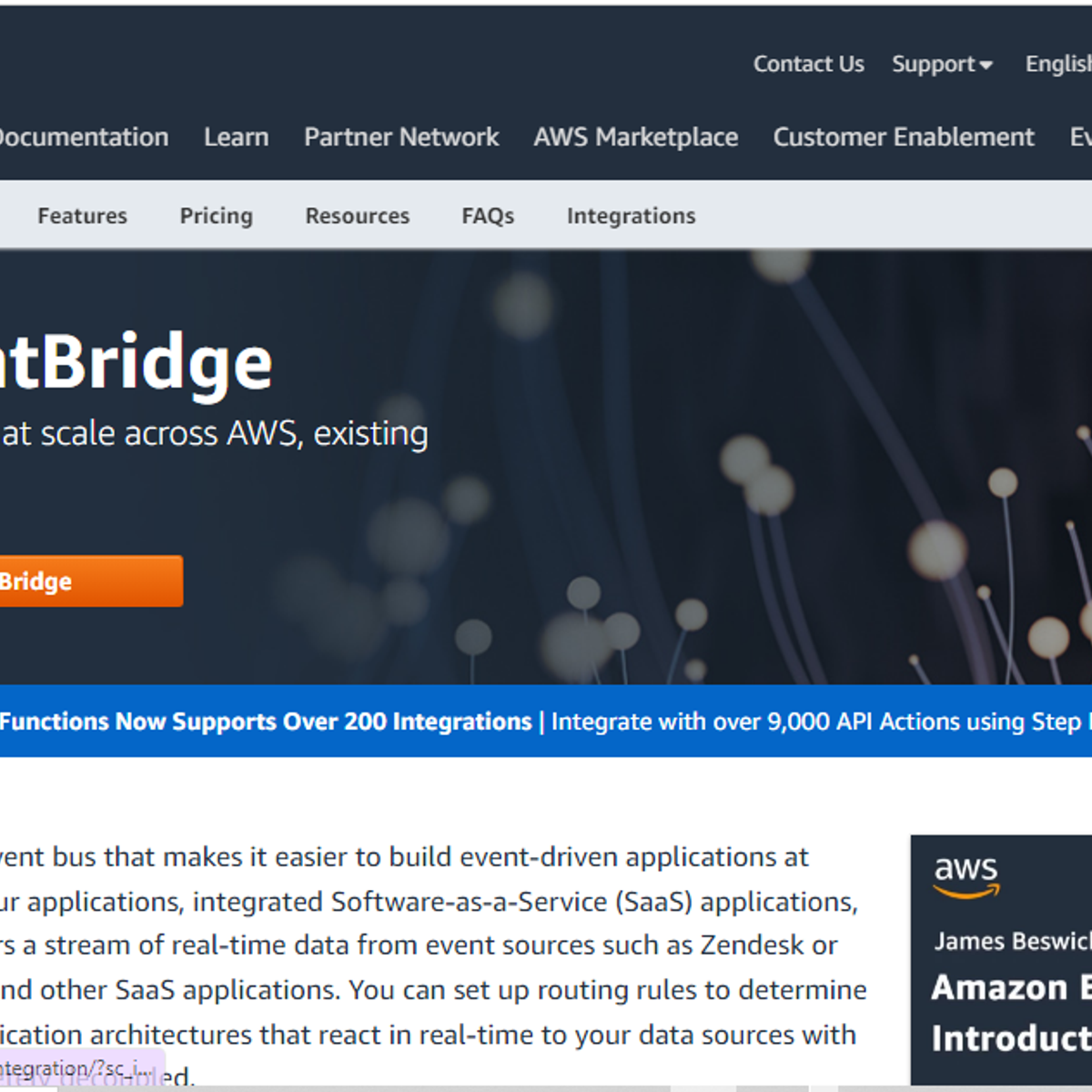
Related Reads
📰
📰
📰
📰
How to Create a Linux Virtual Machine on Azure (Step-by-Step for Beginners)
Dev.to · SULIAT
One command enables direct-connect PCs to communicate across different subnets
Medium · DevOps
How TDS Classic Decides What to Deploy, Update, and Delete
Dev.to · Alden Menzalji
The checklist item that made 90 files permanently unfinished
Dev.to · Liam
🎓
Tutor Explanation
 DeepCamp AI