Microservices – “Small Services, Big Systems”
Key Takeaways
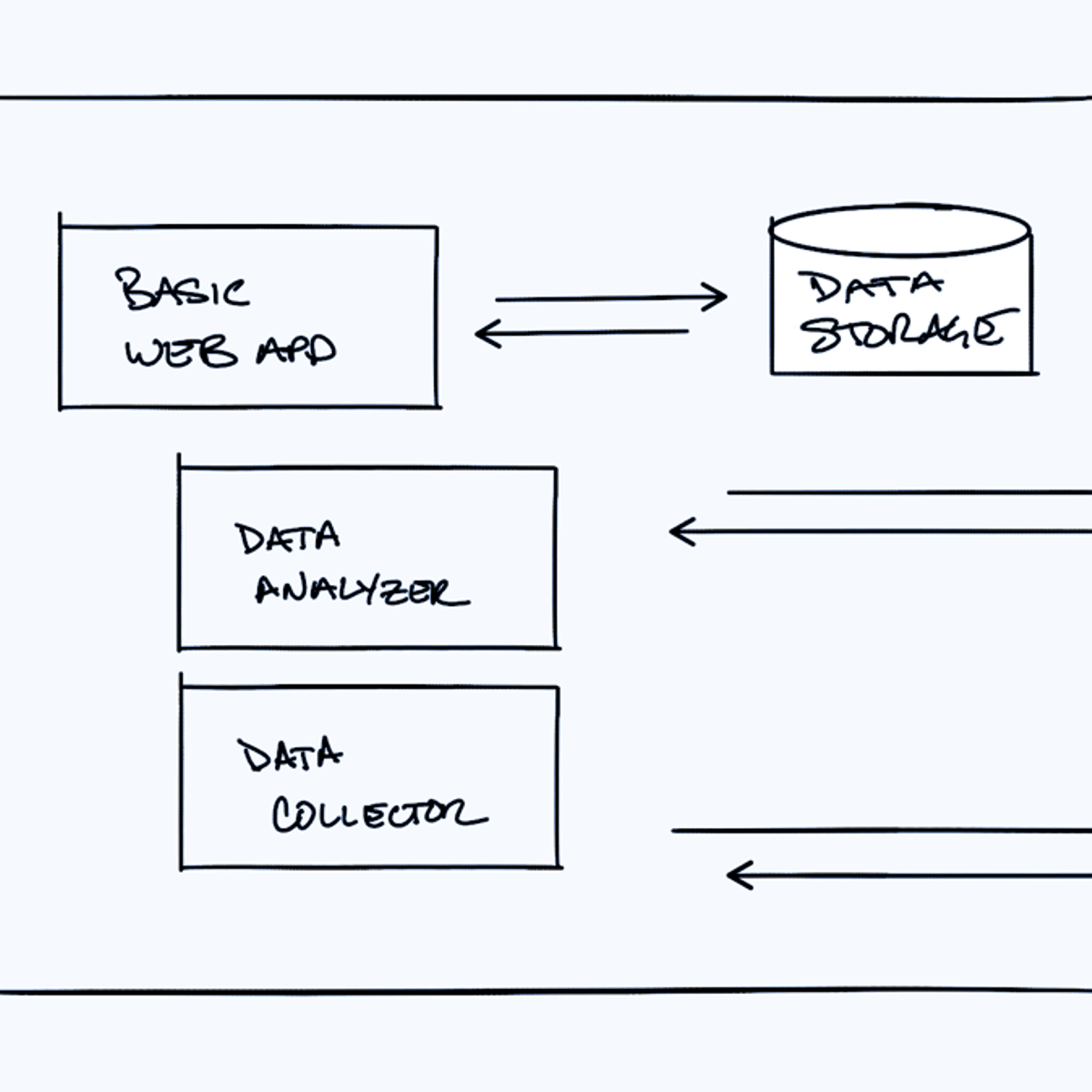
Microservices architecture breaks an application into small, independent services, each designed to perform a single, well-defined responsibility, allowing for individual scaling and separate deployment, with a focus on optimizing performance and minimizing communication overhead
Full Transcript
Microservices [music] break apps into independent pieces. Each service handles a specific responsibility. [music] They scale individually and deploy separately, but communication overhead becomes [music] a challenge. They're ideal for large evolving applications. >> [music]
Original Description
Microservices architecture breaks an application into small, independent services, each designed to perform a single, well-defined responsibility. Because every service can be scaled individually, teams can optimize performance without affecting the rest of the system. Deployment becomes more flexible since updates can be rolled out to one service at a time instead of the entire application. However, this distributed nature introduces communication overhead and complexity in coordination, monitoring, and debugging. Despite these challenges, microservices remain ideal for large, fast-growing applications that require adaptability, resilience, and rapid iteration.....#DisasterRecovery,#BusinessContinuity,#CyberSecurity,#CodingLife,#ChromeTabs,#DebuggingHell,#NoSolutionFound,#TechHumor,#ProgrammerProblems,#LateNightCoding,#StackOverflowLoop,#ITRelatable,#motivation,#coding,#pythonanddjangofullstackwebdeveloper,#tech,#technology,#software,#DataBias
More on: Distributed Systems
View skill →







Related Reads
📰
📰
📰
📰
I overloaded Slack’s Job Queue — and what it taught me about scale
Medium · Programming
I Thought Senior Java Interviews Were About Java. Then Every Question Turned Into aDatabase Question
Medium · Programming
The last scan is not the last mile: modelling the carrier handover in shipment tracking
Dev.to · 24hTrack
From Coder to Architect: Engineering the System One AI & MCP Gateway Stack
Dev.to AI
🎓
Tutor Explanation
 DeepCamp AI