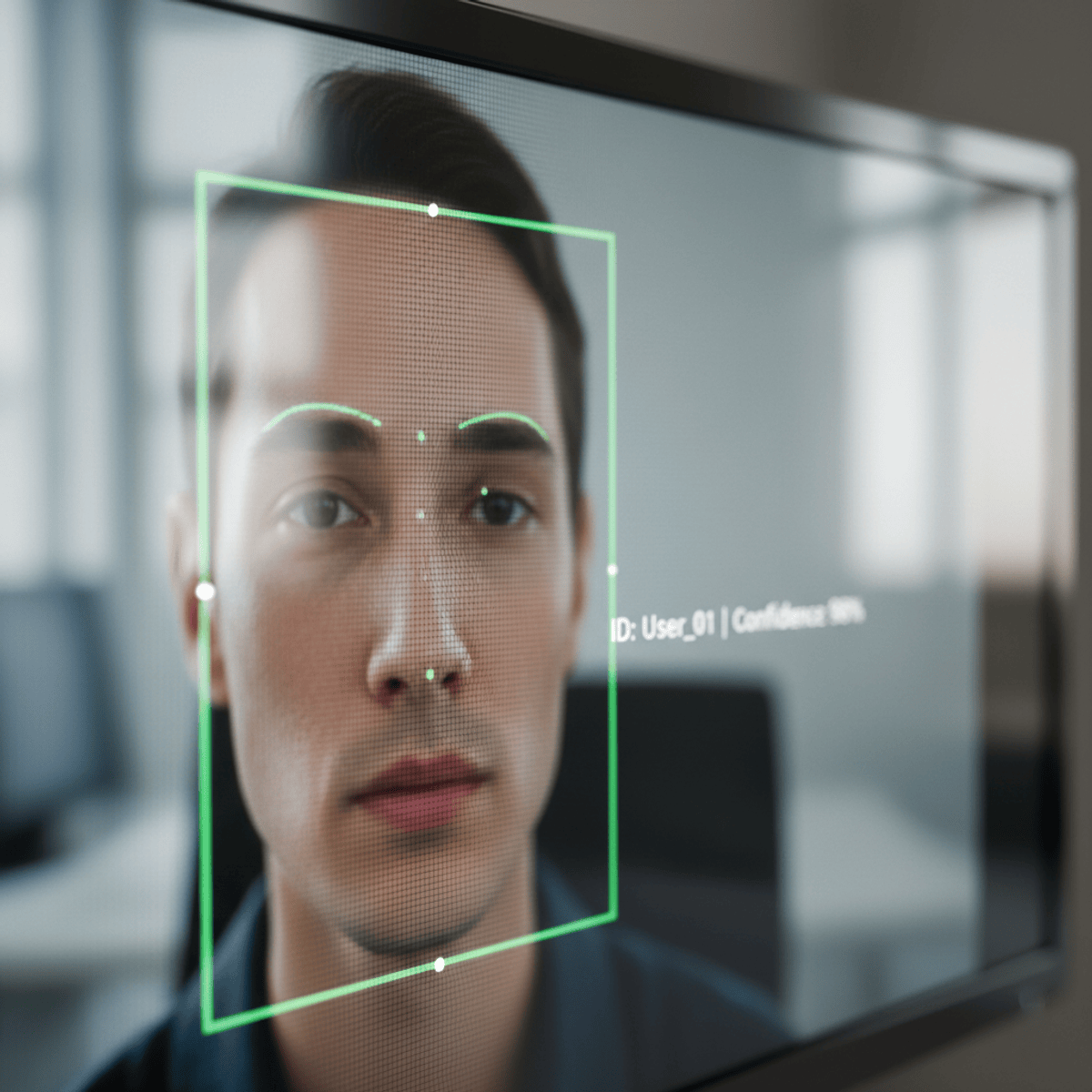
Master OpenCV Fundamentals for Real-Time Computer Vision
Key Takeaways
Builds real-time computer vision applications using OpenCV and Python
Original Description
Learners will be able to understand core computer vision concepts, implement essential image processing techniques, perform geometric transformations, and build real-time applications such as webcam effects and face recognition systems using OpenCV and Python.
This course is designed for beginners who want a structured and practical introduction to OpenCV. Starting from environment setup and basic image operations, learners progressively work through color manipulation, image translation, rotation, scaling, and advanced transformations such as image wrapping. The course then transitions into real-time video processing, guiding learners to interact with webcams, handle user input, and create engaging visual effects.
What makes this course unique is its hands-on, subtitle-driven curriculum that emphasizes conceptual clarity alongside practical implementation. Every module builds logically on the previous one, ensuring learners gain confidence while applying OpenCV techniques in real-world scenarios. By the end of the course, learners will have developed a complete face recognition workflow—from dataset creation to identity prediction—equipping them with industry-relevant computer vision skills applicable in surveillance, automation, and AI-driven applications.
This course provides a strong foundation for further exploration in machine learning and advanced computer vision projects.
Watch on External: Coursera ↗
(saves to browser)
Sign in to unlock AI tutor explanation · ⚡30
🎓
Tutor Explanation
 DeepCamp AI