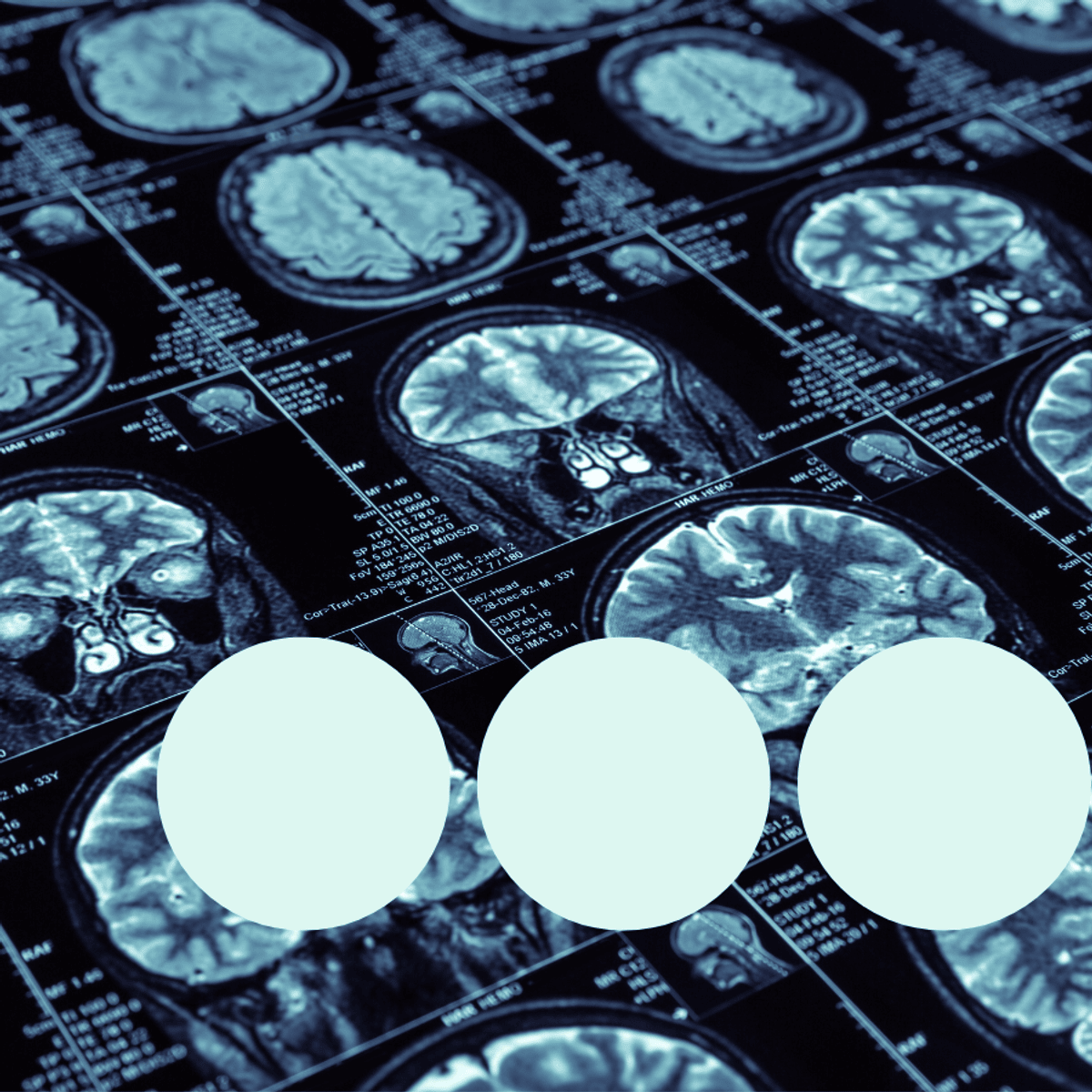
Learning and memory in the brain: a guide for teachers
Key Takeaways
Examines the neuroscience of learning and memory, providing guidance for teachers on how to effectively support long-term memory storage in students
Original Description
This course provides a guided tour through the brain, looking at the changes that occur on a cellular level when we learn new information or store a memory. Using research from neuroscience and psychology, we will look at the process of storing long-term memories, and how you can help your students do this effectively.
We will also examine the way the brain changes from birth to adulthood, and how these affect the way we learn and remember information. We will explore how teaching to a child’s developmental stage can benefit students and teachers. Then, we will dive into neurodiversity in the classroom, covering the current understanding of autism, dyslexia, ADHD and other cognitive differences, and how best to support these pupils.
Throughout the course, we will discuss how to apply this learning to your own classroom, and what the evidence says about the best ways to teach. By understanding more about the way memories are stored and recalled, we can explore different ways you can support your students to learn efficiently, so the memories last a lifetime, not just until the exam.
Watch on External: Coursera ↗
(saves to browser)
Sign in to unlock AI tutor explanation · ⚡30
Related Reads
📰
📰
📰
📰
EdTech Blogs vs. Vlogs: Which Helps People Learn Better?
Medium · Deep Learning
The Mission Behind Anitha Rises: Empowering Students, Women, and Lifelong Learners
Dev.to · Anitha
Why Marks Alone Are a Terrible Measure of Progress
Dev.to · jahnavi sharma
2–2–1: On Student Accountability and Punctuality.
Medium · Deep Learning
🎓
Tutor Explanation

 DeepCamp AI