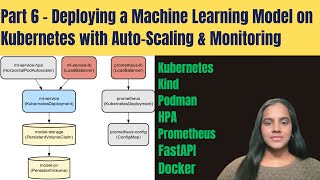
๐Ÿš€ Kubeflow Pipeline for End-to-End Machine Learning Workflow | Tutorial | For Beginners

iQuant ยท Beginner ยทโ˜๏ธ DevOps & Cloud ยท1y ago
Skills: ML Pipelines53%

About this lesson

Support Us: https://buymeacoffee.com/iquantconsult GitHub Repo: https://github.com/iQuantC/Kubeflow-pipeline.git Description: In this video, we dive deep into the world of Kubeflow Pipelines and show you how to deploy a complete Machine Learning workflow locally using Docker and Minikube. Whether you're a data scientist, ML engineer, or just curious about MLOps, this tutorial will guide you step-by-step through the process of: 1. Loading Data: Learn how to efficiently load your dataset into the pipeline. 2. Preprocessing Data: Discover best practices for cleaning and transforming your data. 3. Training a Machine Learning Model: Train your model using Kubeflow's powerful orchestration capabilities. 4. Evaluating the Model: Evaluate your model's performance and ensure it meets your expectations. Tools & Technologies Used: 1. Kubeflow Pipelines: For orchestrating the ML workflow. 2. Docker: For containerizing your pipeline components. 3. Minikube: For running a local Kubernetes cluster. By the end of this video, you'll have a fully functional Kubeflow Pipeline running on your local machine, ready to handle your ML projects with ease. ๐Ÿ‘ If you found this video helpful, please give it a thumbs up and subscribe for more tutorials on Machine Learning, MLOps, and Data Science! ๐Ÿ“ข Let us know in the comments if you have any questions or need further clarification on any of the steps. We're here to help! #Kubeflow #MachineLearning #MLOps #Docker #Minikube #DataScience #MLPipeline #AI #DataEngineering #Kubernetes #DevOps Timestamps: 0:00 - Introduction 1:08 - Code Overview 11:45 - Setting Up Docker Minikube & Kubectl 17:44 - Setting Up Python venv 21:25 - Setting Up Kubeflow environment 29:54 - Build and Deploy Kubeflow Pipeline 35:15 - Create & Run Pipeline in Kubeflow UI 42:40 - Clean Up Subscribe to our channel for more in-depth tutorials and stay updated with the latest in Machine Learning and Data Science! Disclaimer: This video is for educational purpose


Original Description

Support Us: https://buymeacoffee.com/iquantconsult GitHub Repo: https://github.com/iQuantC/Kubeflow-pipeline.git Description: In this video, we dive deep into the world of Kubeflow Pipelines and show you how to deploy a complete Machine Learning workflow locally using Docker and Minikube. Whether you're a data scientist, ML engineer, or just curious about MLOps, this tutorial will guide you step-by-step through the process of: 1. Loading Data: Learn how to efficiently load your dataset into the pipeline. 2. Preprocessing Data: Discover best practices for cleaning and transforming your data. 3. Training a Machine Learning Model: Train your model using Kubeflow's powerful orchestration capabilities. 4. Evaluating the Model: Evaluate your model's performance and ensure it meets your expectations. Tools & Technologies Used: 1. Kubeflow Pipelines: For orchestrating the ML workflow. 2. Docker: For containerizing your pipeline components. 3. Minikube: For running a local Kubernetes cluster. By the end of this video, you'll have a fully functional Kubeflow Pipeline running on your local machine, ready to handle your ML projects with ease. ๐Ÿ‘ If you found this video helpful, please give it a thumbs up and subscribe for more tutorials on Machine Learning, MLOps, and Data Science! ๐Ÿ“ข Let us know in the comments if you have any questions or need further clarification on any of the steps. We're here to help! #Kubeflow #MachineLearning #MLOps #Docker #Minikube #DataScience #MLPipeline #AI #DataEngineering #Kubernetes #DevOps Timestamps: 0:00 - Introduction 1:08 - Code Overview 11:45 - Setting Up Docker Minikube & Kubectl 17:44 - Setting Up Python venv 21:25 - Setting Up Kubeflow environment 29:54 - Build and Deploy Kubeflow Pipeline 35:15 - Create & Run Pipeline in Kubeflow UI 42:40 - Clean Up Subscribe to our channel for more in-depth tutorials and stay updated with the latest in Machine Learning and Data Science! Disclaimer: This video is for educational purpose
Watch on YouTube โ†— (saves to browser)
Sign in to unlock AI tutor explanation ยท โšก30

Related Reads

๐Ÿ“ฐ
Thinking Like a Platform Engineer: Celery, Docker, CI/CD, and Getting SokoFlow Into the Cloud
Learn how to design a scalable platform using Celery, Docker, and CI/CD pipelines to deploy SokoFlow to the cloud
Dev.to ยท Kirera paul murithi
๐Ÿ“ฐ
Dagster AuthKit v0.4.0 - Security Hardening, Cross-Pod Sessions, and We Need Your Help
Learn about Dagster AuthKit v0.4.0 and its new security features, including cross-pod sessions, and how to contribute to its development
Dev.to ยท Demetrius Albuquerque
๐Ÿ“ฐ
Automating Linux Tasks with Bash
Automate repetitive Linux tasks using Bash to boost productivity
Dev.to ยท Adeje Oluwatobiloba
๐Ÿ“ฐ
gitstale: clean up abandoned local branches
Learn to clean up abandoned local Git branches using gitstale, a tool that lists branches by tip age with merge status and ahead/behind counts
Dev.to ยท SybilGambleyyu

Chapters (8)

Introduction
1:08 Code Overview
11:45 Setting Up Docker Minikube & Kubectl
17:44 Setting Up Python venv
21:25 Setting Up Kubeflow environment
29:54 Build and Deploy Kubeflow Pipeline
35:15 Create & Run Pipeline in Kubeflow UI
42:40 Clean Up
Up next
How to Code with Distrobox on the Steam Deck
Ian Wootten
Watch โ†’