Introduction to Industrial Bioprocess Development
Key Takeaways
Develops industrial bioprocesses for product manufacturing and chemical transformations
Original Description
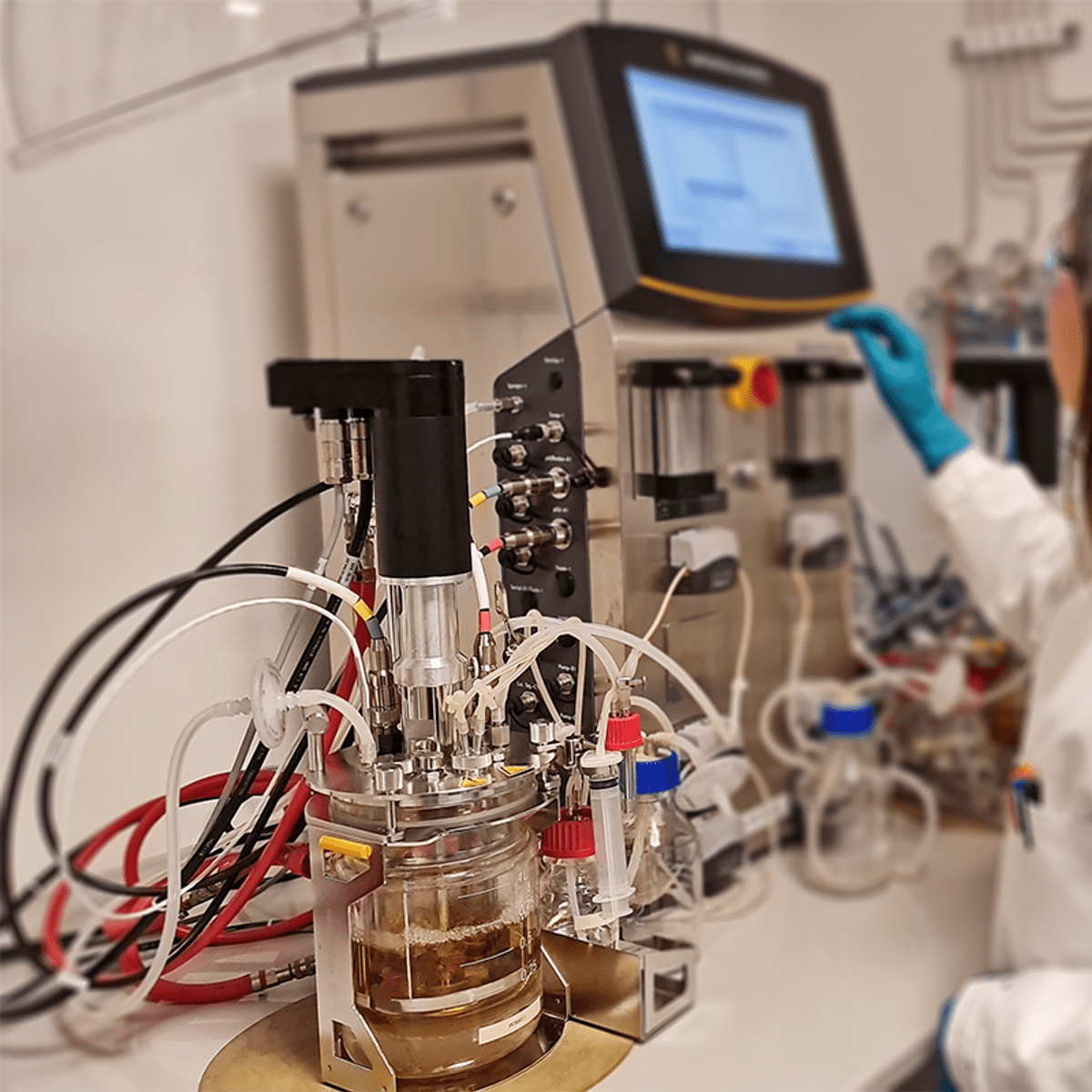
Bioprocesses make use of microorganisms, animal cells, or enzymes to manufacture new products or complete a chemical transformation. Since ancient days, humans have been using microorganisms to transform biological materials for the production of alcoholic beverages and other fermented foods. Since then, bioprocesses have been developed for an enormous range of commercial products, from relatively cheap products such as organic solvents and industrial alcohol, to expensive specialty chemicals such as therapeutic proteins, antibiotics, and vaccines. Nowadays, the development of bioprocesses is an essential part of a large number of chemical, food, and pharmaceutical industries.
The main purpose of the course “Introduction to Industrial Bioprocess Development” is to provide an overview of the common stages involved in this type of processes.
The course is primarily aimed at students, researchers, and professionals with an interest in bioprocessing, biomanufacturing, or fermentation technology. Some knowledge of biology, biotechnology and/or biochemical engineering will be advantageous, but not mandatory.
The course begins with a brief description of some basic properties of microorganisms and general aspects related to their use in bioprocesses at industrial scale. Following this, the kinetic bases for cell growth, substrate utilization and product formation during batch, continuous and fed-batch cultures are discussed. In addition, the course includes a group of lectures dedicated to some stages that precede fermentation; specifically, media formulation, sterilization, preservation of microorganisms and inoculum preparation. The main characteristics of predominant types of industrial bioreactors along with process parameters that need to be controlled in stirred tank reactors are also covered in one of the modules of the course. Since the expansion of a bioprocess from a lab scale to an industrial scale is of considerable importance, an additional lecture dedicate
Watch on External: Coursera ↗
(saves to browser)
Sign in to unlock AI tutor explanation · ⚡30
Related Reads
📰
📰
📰
📰
A lightweight workflow for keeping up with AI conference papers
Dev.to · Daniel
Why CitedEvidence Believes Great Researchers Read Less Than You Think
Medium · AI
How to Write a Literature Review That Actually Argues Something
Medium · Machine Learning
I Built a Personal Paper Engine to Stop Losing Research Papers
Dev.to · Ethan
🎓
Tutor Explanation

 DeepCamp AI