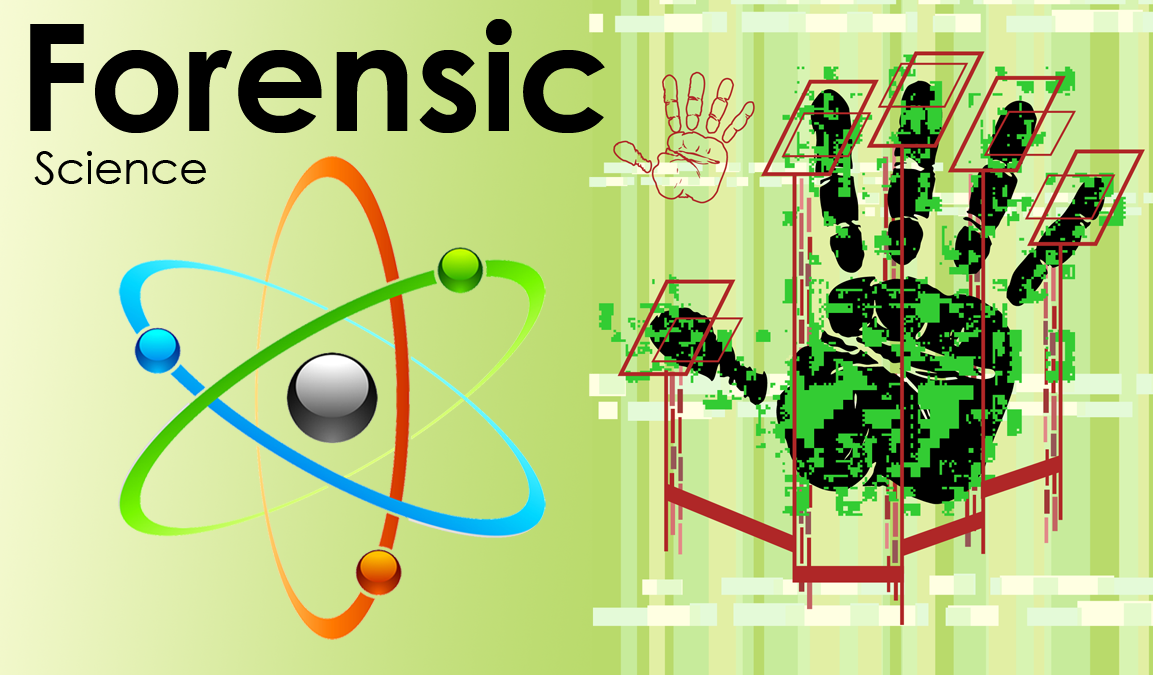
Introduction to Forensic Science
Skills:
Security Basics60%
Key Takeaways
Explains the scientific principles and techniques behind forensic science using case studies from around the world
Original Description
This course explains the scientific principles and techniques behind forensic science, moving beyond popular media portrayals. It uses case studies from around the world to illustrate real-world applications.
This course is for anyone interested in the scientific methods used in criminal and non-criminal investigations, including students considering careers in science, law enforcement, or related fields. No prior forensic science background is required, but a basic understanding of science is helpful.
By the end of this course, you will be able to:
- Understand the scientific foundations of forensic investigations.
- Identify and analyze various types of physical evidence.
- Explain the role of chemistry and biology in forensic analysis.
- Interpret forensic findings using real-world case examples.
Learners will gain familiarity with analytical techniques such as chromatography and spectroscopy, commonly used in forensic laboratories.
*For Nanyang Technological University (NTU) students, please be noted that this course will no longer be eligible for credit transfer.
Watch on External: Coursera ↗
(saves to browser)
Sign in to unlock AI tutor explanation · ⚡30
More on: Security Basics
View skill →








Related Reads
📰
📰
📰
📰
Stop Serving Raw Cosine Scores: Explainable RAG Confidence Scoring at Query Time
Dev.to AI
The RAG Complexity Trap: Do More Components Actually Improve Retrieval Performance?
Medium · LLM
What I Got Wrong About RAG When I Started Learning It
Medium · RAG
The RAG Fixes That Helped Before I Touched the LLM
Medium · RAG
🎓
Tutor Explanation
 DeepCamp AI