Introduction to Deep Learning for Computer Vision
Key Takeaways
Trains cutting-edge models for image classification purposes using deep learning for computer vision
Original Description
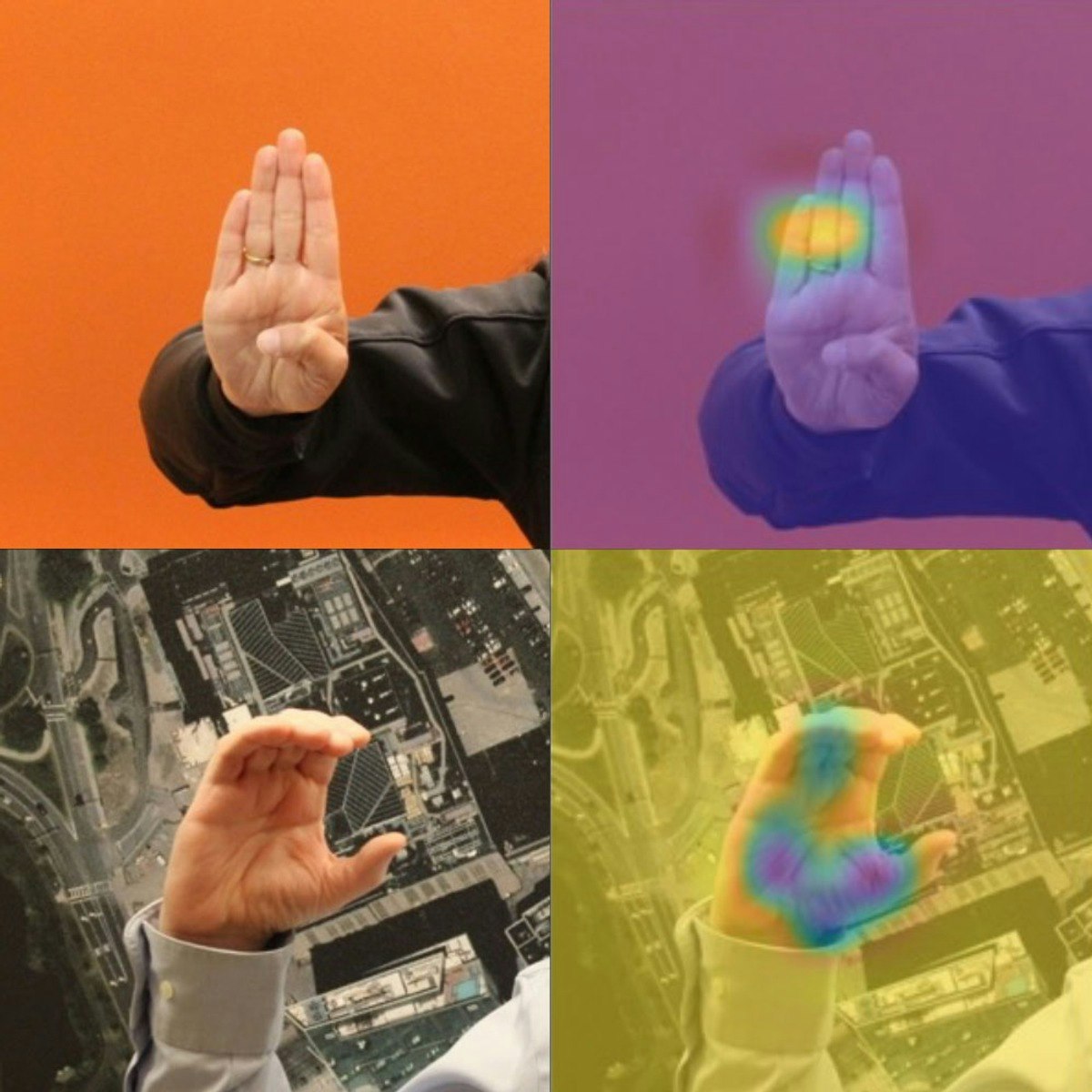
Starting with zero deep learning knowledge, this foundational course will guide you to effectively train cutting-edge models for image classification purposes. From analyzing medical images to recognizing traffic signs, classification is important for many applications. Classification models also serve as the backbone for more complicated object detection models. Through hands-on projects, you will train and evaluate models to classify street signs and identify the letters of American Sign Language. By completing this course, you will develop a strong foundation in deep learning for image analysis and will be equipped with the skills to tackle real-world computer vision challenges.
By the end of this course, you will be able to:
• Explain how deep learning networks find image features and make predictions
• Retrain common models like GoogLeNet and ResNet for specific applications
• Investigate model behavior to identify errors and determine potential fixes
• Improve model performance by tuning hyperparameters
• Complete the entire deep learning workflow in a final project
For the duration of the course, you will have free access to MATLAB, software used by top employers worldwide. The courses draw on the applications using MATLAB, so you spend less time coding and more time applying deep learning concepts.
AI explanation not available for this lesson yet
This lesson is still being prepared for the AI tutor. In the meantime, explore lessons that are ready.
Browse explainer-ready lessons →
More on: CV Basics
View skill →




Related Reads
📰
📰
📰
📰
3D-Object Perception Transformer — CVPR 2026 Highlight — OpenCV Live! 222
OpenCV Blog
What Does CLIP Learn for Regional Geolocalization? Probing Visual Cues and Scene Configuration After Adaptation
ArXiv cs.AI
DeepSeek's First Vision Model Is Here — V4 Flash Vision Exp Costs $0.00017 Per Image (vs. Opus-4.8 at $50/M)
Dev.to AI
Understanding CNNs: The Moment AI Started Making Sense
Medium · Deep Learning
🎓
Tutor Explanation
 DeepCamp AI