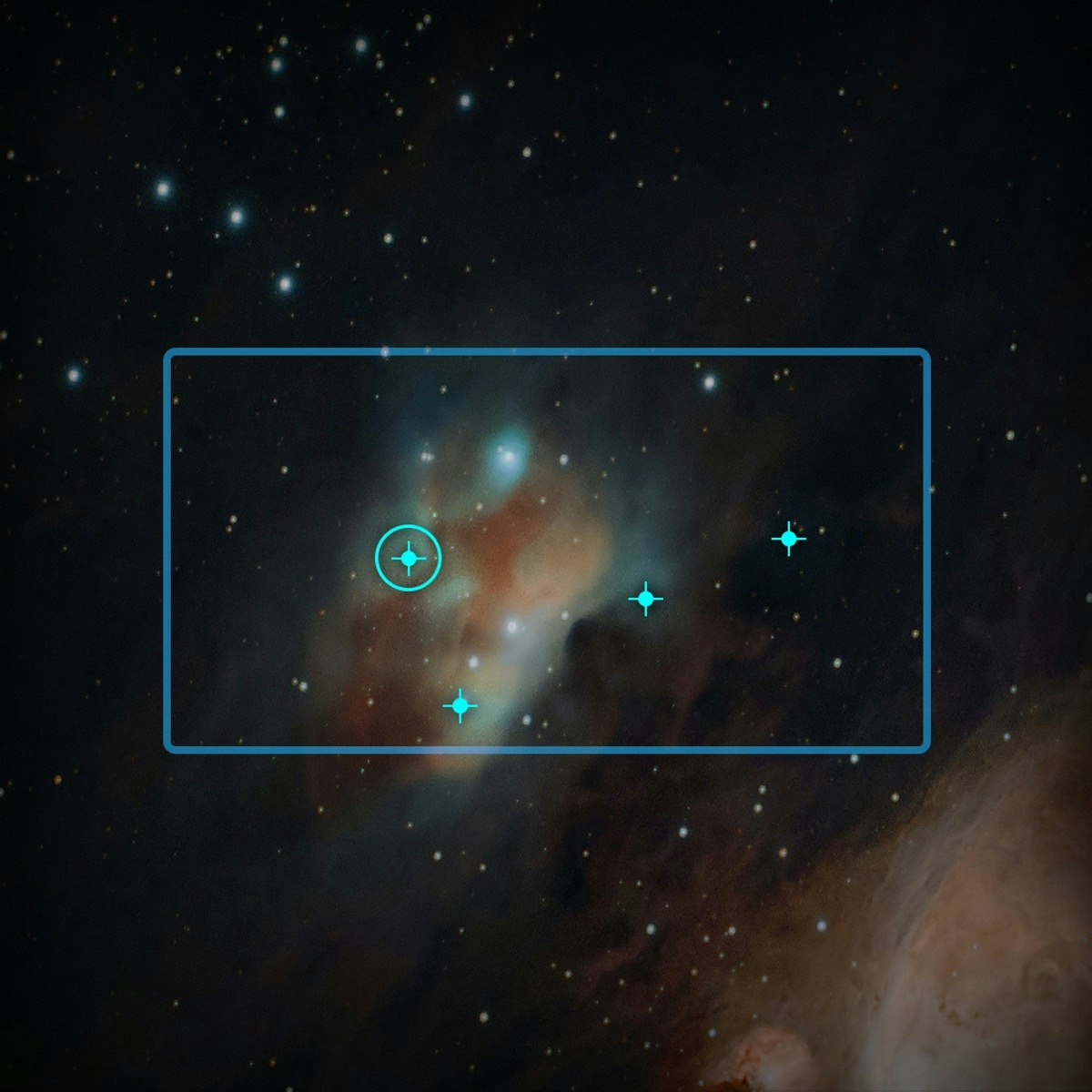
Introduction to Computer Vision
Key Takeaways
Introduces computer vision using common algorithms for feature detection, extraction, and matching
Original Description
In the first course of the Computer Vision for Engineering and Science specialization, you’ll be introduced to computer vision. You'll learn and use the most common algorithms for feature detection, extraction, and matching to align satellite images and stitch images together to create a single image of a larger scene.
Features are used in applications like motion estimation, object tracking, and machine learning. You’ll use features to estimate geometric transformations between images and perform image registration. Registration is important whenever you need to compare images of the same scene taken at different times or combine images acquired from different scientific instruments, as is common with hyperspectral and medical images.
You will use MATLAB throughout this course. MATLAB is the go-to choice for millions of people working in engineering and science, and provides the capabilities you need to accomplish your computer vision tasks. You will be provided free access to MATLAB for the course duration to complete your work.
To be successful in this course, it will help to have some prior image processing experience. If you are new to image data, it’s recommended to first complete the Image Processing for Engineering and Science specialization.
AI explanation not available for this lesson yet
This lesson is still being prepared for the AI tutor. In the meantime, explore lessons that are ready.
Browse explainer-ready lessons →
More on: CV Basics
View skill →




Related Reads
📰
📰
📰
📰
The Interview Question That Almost Got Me: “Why Should Your Target Be Normally Distributed?”
Medium · Machine Learning
The Interview Question That Almost Got Me: “Why Should Your Target Be Normally Distributed?”
Medium · Data Science
30 Python Projects With Source Code for Final Year Students: From Beginner to Advanced
Medium · Python
DS in Python 8 — Vectorization (Why Numpy operation on an array is faster than a normal for loop in…
Medium · Python
🎓
Tutor Explanation
 DeepCamp AI