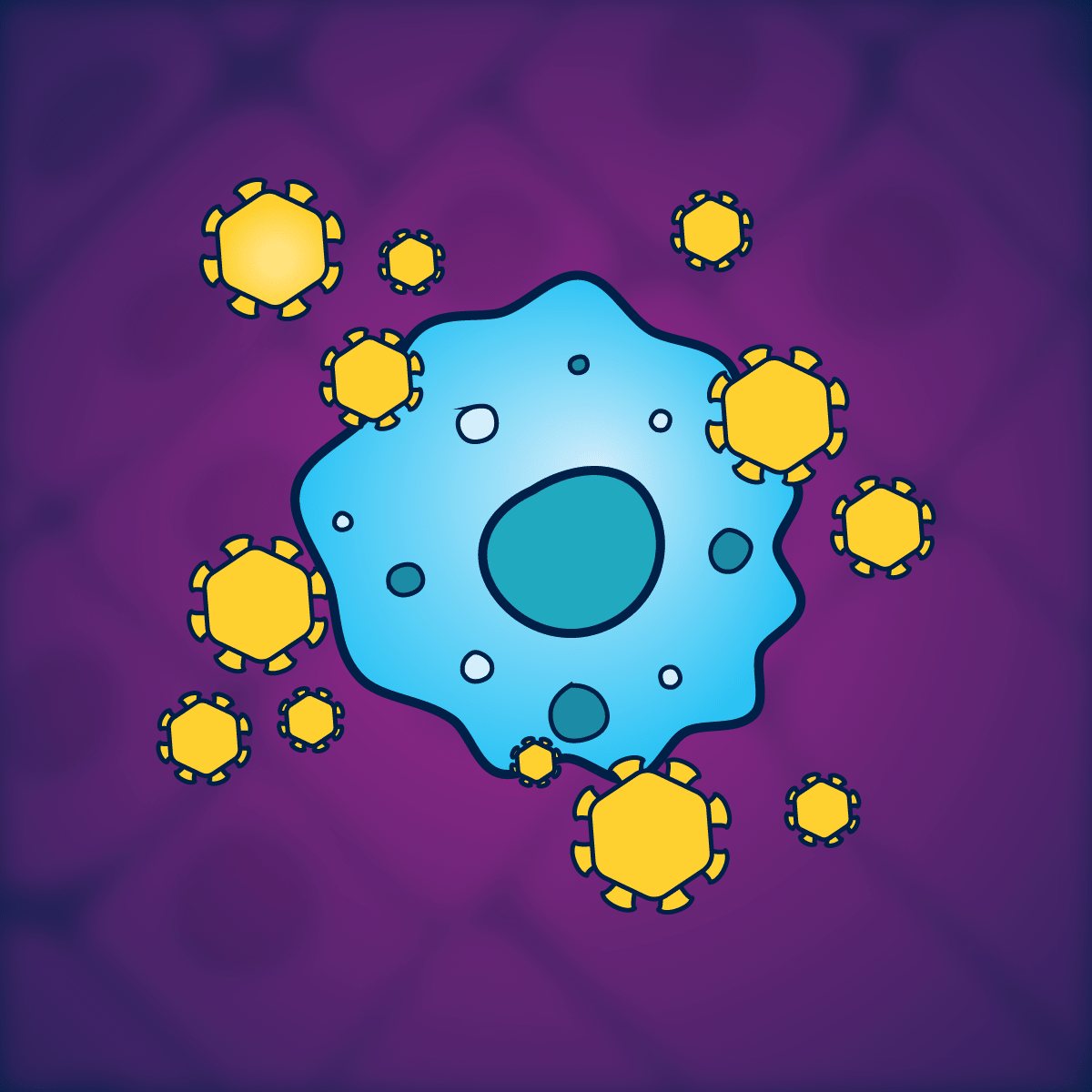
Immunology: Immune System and Infectious Diseases
The constant struggle between pathogens and the human immune system has been posing a significant threat to our health for thousands of years.
Infectious diseases remain the leading cause of death worldwide. These are typically caused by bacteria (intra- and extracellular), viruses, fungi, parasites (worms/helminths) and prions. Under normal circumstance, the immune response orchestrates a robust protection against these pathogens using both molecular and cellular mechanisms. This usually leads to direct or indirect inactivation of the infectious agent, so the disease symptoms may not appear.
However, numerous pathogens have devised immune evasion strategies, which allow them to play ‘hide and seek’ with our immune system. The avoidance of human natural defences may result in host colonisation by a pathogen and thus an infection. This can manifest as disease when the infectious agent replicates and inflicts damage.
In this course, you will learn about the different types of pathogens, their confrontation with human immune system, and the dramatic consequences of their evasive strategies.
Watch on Coursera ↗
(saves to browser)
Sign in to unlock AI tutor explanation · ⚡30
Related AI Lessons
⚡
⚡
⚡
⚡
Browse public service handles at biznode.1bz.biz/handles.php — discover AI bots offering legal, medical, finance, consulting...
Dev.to AI
Build a Profitable AI Agent with LangChain: A Step-by-Step Tutorial
Dev.to AI
Teaching My AI Agents to Push Back: Why I Built RoBrain
Dev.to · Adeline
Not so locked in any more
Simon Willison's Blog
🎓
Tutor Explanation

 DeepCamp AI