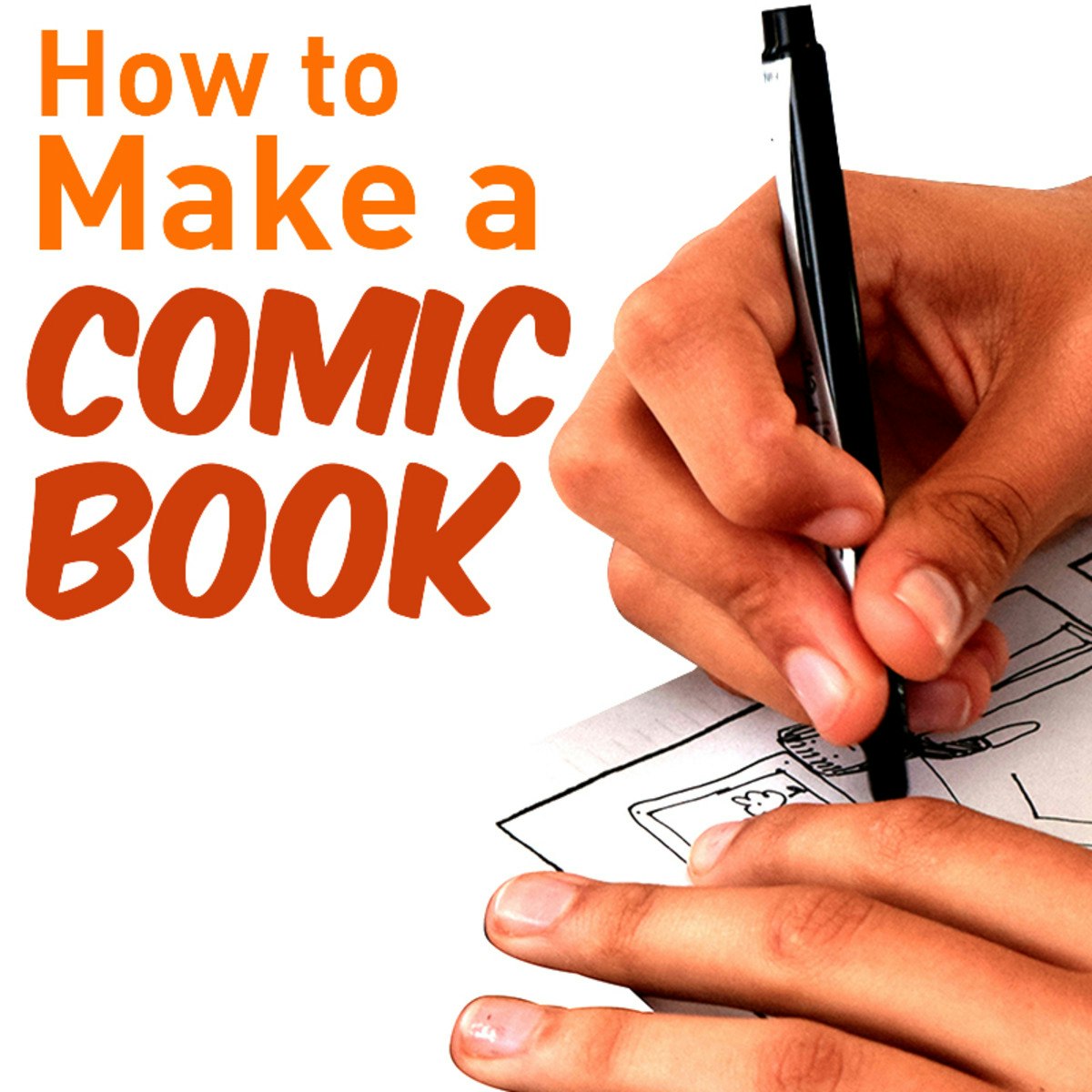
How to Make a Comic Book (Project-Centered Course)
Key Takeaways
Builds a comic book using a short story and design principles
Original Description
What you’ll achieve:
In this project-centered course*, you will create an original four page minicomic designed around a short story of your choosing.
What you’ll need to get started:
This project-centered course is designed for all-age learners (high school age and above, at least 13 years of age) who are interested in learning how to make a comic book, but have never completed one before.
While comic books can be created with any kinds of materials, we recommend that learners have the following materials available to complete the project: at least one ream of 8.5x11 copy paper, #2 pencils and eraser, Sharpie-type fine point pens, ruler with inch measurements, and adjustable binding stapler. Learners should also have access to a printer and scanner (to facilitate digitizing work to be shared with peers on Coursera).
*About Project-Centered Courses:
Project-Centered Courses are designed to help you complete a personally meaningful real-world project, with your instructor and a community of learners with similar goals providing guidance and suggestions along the way. By actively applying new concepts as you learn, you’ll master the course content more efficiently; you’ll also get a head start on using the skills you gain to make positive changes in your life and career. When you complete the course, you’ll have a finished project that you’ll be proud to use and share.
Watch on External: Coursera ↗
(saves to browser)
Sign in to unlock AI tutor explanation · ⚡30
Related Reads
📰
📰
📰
📰
A lightweight workflow for keeping up with AI conference papers
Dev.to · Daniel
Why CitedEvidence Believes Great Researchers Read Less Than You Think
Medium · AI
How to Write a Literature Review That Actually Argues Something
Medium · Machine Learning
I Built a Personal Paper Engine to Stop Losing Research Papers
Dev.to · Ethan
🎓
Tutor Explanation

 DeepCamp AI