How does the internet work? (Full Course)
Key Takeaways
This video course by freeCodeCamp.org covers the basics of how the internet works, including computer networking fundamentals, with topics such as switches, routers, internet service providers, and wide area networks.
Full Transcript
this course will help someone with no technical knowledge understand how the internet works ian frost teaches this course with tons of visuals just like he has taught thousands of people on udemy the internet is a part of our daily life and we use it constantly but what is the internet have you ever really thought about it have you ever wondered what happens in the background when you enter a web page if your answer to all these questions is yes you are definitely looking at the right course in this course i assume you don't know anything and i am slowly explaining what the internet is you don't need any prior knowledge to follow this course since this course tells you everything from scratch with many abstractions these abstractions will allow you to understand the subject without knowing details i think everyone who uses the internet should know its basic features everyone who uses the internet needs to know the isp everyone who uses the internet needs to know that the internet is just cables spread all over the world and in this course we will go on a journey together and we will look at all these concepts in a very visual way i mean you will see exactly how the internet works with your eyes in addition at the end of the course there are some questions related to this course and by answering them you can benefit from this course at the maximum level okay regardless of your age or profession this course is for everyone you will absolutely understand what the internet is when you finish this course so let's dive into it now we are going to talk about a scenario let's say you are the system administrator of a small company and your boss wants you to enable all these computers to communicate with each other i mean pc1 should be able to communicate with pc7 or pc5 should be able to communicate with pc4 and so on you got the point but the question is how do we do such a task and this is where the switch device comes into play the switch is the device we use for computers in the same environment to communicate with each other when i say in the same environment what i mean is that i'm talking about computers in the same office house or at very close distance to each other and this scenario is a good example for such a situation there's an office and in this office we have seven computers that communication of time is required wonderful we have a switch to accomplish the communication of computers this is good however the question is can these 7 computers communicate with each other right now and the answer is big no because first of all these 7 computers need to interact with the switch somehow but how can we do that i know that you have some ideas and you are probably guessing right we must use cables to connect computers to the switch as you can see we are connecting all the computers to the switch with the help of cables we generally use copper cables for this task and the type of these copper cables can generally be cat5 cable or k6 cable in small environments by the way cat6 cables are faster than cat5 cables and cat represents category okay on the other hand in addition to copper cables some switches support fiber optic cables as well and it is important to note that fiber optic cables are generally much faster compared to copper cables in data transmission this is very important and for switch devices there is a crucial point to be aware of please note that if there's a switch in the environment and if you want to connect computers to that switch we must definitely use a cable that is generally a copper cable or fiber optic cable what i am trying to say is with wireless technology you cannot connect computers to a switch switches only work with cables this is very vital guys if you want to use a switch device you have to use cable to connect your devices to the switch it's that simple however if you want to connect computers in the same environment to each other by using all wireless technology you can use an access point device instead of a switch device i mean you can use both a switch device or an access point twice in order to connect all the seven computers both of them separately is acceptable for this purpose the only difference between these devices is access points use wireless technology while switches use cables okay there are seven computers in this environment and we can connect these seven computers by using switches and cables just like you see in the picture or in the same way we can use an access point device instead of a switch device and if you use an access point device access point uses wireless technology instead of cables while communicating with devices in summary both the switch device or an access point device enable these seven computers to communicate this is obvious but one uses cable and the other one uses wireless technology anyway what i just want you to know right now is we generally use copper cables in order to connect computers to the switch in the environment such as a hump or office by the way i want to focus on the switch device instead of the access point twice in this course very good and at this moment all these computers can communicate with each other with ears because they connected to the switch by using cables and this means that they created a network in other words the reason that these computers can communicate with each other is all of them are in the same network and we call this special network as local area network or briefly lan a local area network is a collection of devices connected together in non-physical location such as a building office or home as i just said if you want to create a lan this location must be a restricted location in terms of area i mean you cannot create a lan between computers located in united states and computers located in russia on the other hand this area is very suitable area in order to create a lan therefore these computers can communicate with each other because all of them are on the same lan with the help of this switch so we can deduce that if we want to create a lan we need a switch device by using a switch device we can create a local area network and if we consider the millions of local area network all over the world we can easily understand how important a switch device is you might think that all the houses in the world are actually a local area network you have a land in your house or your neighbor's home also has a land or there is also a lan in the office where you work okay you catch the idea and now let's take a closer look at the communication of computers and what this event actually represent let's say pc1 wants to send a message to the pc6 by the way the messages generated by computers has a few special names some people call them as packet and some people call them as frame both of them is okay but in this course i prefer to use packet instead of frame okay pc1 will send a packet to the pc6 as you see individual the packet firstly goes to the switch and then the sewage looks at the inside of the packet and learns the destination of the packet and finally the switch sends the packet to its destination and if pc1 can send a packet to the pc6 this means that pc1 and pc6 can communicate with each other the logic is basically this if a computer can send a packet to another computer this refers to these two computers are on the same network and they can communicate with each other this information is so crucial guys okay however maybe by looking at only this switch image what the switch device actually is may not be fully visualized in your mind for this reason we will now examine this slide for you to understand the event better this is the real version of a service device and as you can see there are many parts on a switch device this is important also the number of ports varies from one switch device to another switch device i mean different switches have different numbers of parts some switches have temp ports while some switches have more than 20 parts and of course this generally leads to an increase in price okay by the way these parts have a special name and they are called lampards this probably makes sense to you because as you know we create lands by using switch devices for this reason i think it is so reasonable to call these parts lan ports because by connecting these computers to these parts we can create a lan and in addition to this there are lan ports on the back of our computers or on the side of our laptops just like these lamppods you can see the related visuals on the right side and to establish a connection between computers and switch we connect the lan port on the computer and the lan port on the switch with the help of a cable so let's do this let's start with this port and pc1 then let's connect this part and piece it after that let's connect this port and pc3 and finally i want to make a connection between this part and pc4 wonderful and currently these computers can communicate with each other but how exactly does this communication happen from a switch perspective let's take a look at this let's say pc1 wants to communicate with pc4 so it will send a packet to the pcfr this packet will go to this part of the switch first and there we go afterward that part will give the packet to the hardware inside the switch okay then this switch will look inside this packet and learns its destination after that the switch gives this packet to this port that is connected to pc4 and finally the switch sends the packet to the pc4 okay wonderful and to summarize currently we have connected these four computers to each other thanks to the switch this means we have created a local area network and these computers can easily communicate with each other since they're on the same lan i hope everything is quite good so far and the switch device is visualized better in your mind thanks to this slide but there is a little issue here let me explain if you are aware our computers were in the same network and we have only talked about the communication between those devices we have never talked about how these computers can connect to the internet right so the question is can these computers communicate with the internet just by having a switch device and this my friends will be the question that we are looking for an answer in the next lesson see you guys soon bye in our previous lesson we briefly talked about how to connect computers in an office and how do we create a network and i said that we can create a lan with the help of a search device but the problem is currently these computers can only communicate among themselves they cannot communicate with the internet because the only task of the switch is to create a lan and enable the communication of the devices in the same lan great and by the way i would like to remove this line statement from the visual because you can understand that there's a lan here thus we can work more comfortably wonderful and the main question is how do we connect these computers to the internet and this is where the router device comes into play let me explain the main task of the router is to enable computers to connect to the internet without a router it is impossible for us to connect to the internet and in order to provide this connection i mean in order to provide a connection to the internet first of all we must connect this switch to this router and this cable is a copper cable just like other cables this is good but currently what we have to do isn't over we still can't connect to the internet in this situation because we need a connection between the rotor and the internet as well and as you know a special cable comes to our homes or offices and this cable is given us by internet service provider and thanks to the disk cable we connect to the internet if you have never heard of internet service provider don't worry we will talk about it in detail but for now all you need to know is the internet service provider is giving us this cable for a certain amount of money so that we can connect to the internet easily okay so currently we have everything necessary to connect to the internet by using these computers hence let's see the basic tasks of the switch and router one by one on the animation these seven computers in the office can communicate with each other thanks to the switch for example let's say pc1 wants to communicate with pc5 for this purpose pc1 will send a packet to the pc5 so easy now the packet firstly goes to the switch and afterwards the switch learns the destination of the packet and finally the switch sends the packet to its destination and there we go this is how two computers in the same lan communicate with each other and please always remember a switch device is enough for us in order for communication of devices in the same lan on the other hand a router has no role in the communication of different devices in the same lan like pc1 and pc5 this is very vital ok i hope i could explain the event and however guys what if pc1 was to communicate with the internet in other words what will happen if pc1 was to send a packet to the internet let's see first of all you should remember this information if a computer can send packets to the internet this means that this computer communicates with the internet frankly speaking i believe that you exactly understand the logic of this event anymore if we can send packets from one point to another point these two points can communicate it's that simple but the question is how will pc1 send packets to the internet to be able to do this first pc1 must set its packet to the switch just like before because there is no other way for pc1 to be able to reach the router right i mean if pc1 wants to send a packet to the internet this packet must reach the router no matter what because the router is a door to access the internet this is obvious hence if pc1 wants to communicate with the router it must send its packet to the switch first after that the switch looks at inside of the packet and understand that the packet wants to go to the internet so it sends the packet to the router and there we go and then the router firstly looks at the inside of the packet and understand that the packet wants to go to the internet and afterward it sends the package to the internet over this part and there we go by the way if you are aware we have plugged this cable that we purchased from the isp into this part this is obvious i believe that currently you can easily imagine in an intuitive manner how the cables coming to the router like this or like this are plugged into the parts i mean there are some ports on the router and you need to put the cables into that box it's that simple i will not show this regionally because detailed information about the parts isn't important for you at this moment you just must understand the logic behind the router okay and as a result pc1 sent its packet to the internet in other words pc1 and the internet communicated and the device that helped us to connect to the internet is the router wonderful i believe that you understand the most basic tasks of the sewage and router and i hope the animations have been useful for better understanding however i want to ask you two questions my first question is can you visualize the internet in your mind and the second question is what exactly does the internet mean and these will be the questions that we are going to discuss in the next lessons see you guys soon before discussing the meaning of connecting to the internet from a computer perspective i think it is helpful to know what the internet exactly stands for because if you are really starting from scratch i mean i assume that you are real newbies you may not know exactly what the internet is for this reason i want to visualize the internet for better understanding to do this in this lesson we are going to see how a packet moves on the internet by the way keep in mind that this model you see is a simplified model designed to make the concept easier to understand so this structure in real life is much more complex than you see individual but with this simplified model you will understand the logic of the event very well i promise you and i believe that's all you need right now as you can see there are many writers on the internet right and there's a special reason for this so at this moment i would like to give you another piece of information about a router a router is a device required for a computer or electronic device to connect to the internet you know this definition on the other hand you can think of the router as the device we use to communicate with your computer in another part of the world or you can think of the router as the device we use to communicate with the computer in a different plan i mean if you are aware there is a land here right and there is another land here this is obvious therefore we can draw the following conclusion connecting to the internet actually can stand for connecting to the another computer located anywhere in the world i mean you can think of the internet is the structure that connects all the lands all over the world i want to repeat this again you can think of the internet as a structure that connects old lands all over the world and as you know there are millions of lands connected to the internet except these lands wonderful i hope that everything is good so far but there's a thing that we need to consider so i want to ask you a question why are there so many routers here let me explain it in a simple manner first you should know that these routers are distributed around the world in an organized manner however routers aren't the only devices in this structure this is important there are thousands of routers and other different devices in this structure distributed pretty widely but focusing on only writers is enough for us in order to understand the concept behind the internet and the first question that comes to your mind is probably why routers are so important to the internet as a matter of fact the answer to this question is hidden in the core task of a router the device we use to enable different plans to communicate with each other is drought right and thanks to the internet we can connect all the lands in the world to each other you know for this reason it makes perfect sense to use many routers to connect millions of local area networks together these lands you see are just two of the millions of local area networks all over the world in summary if the internet must connect millions of local area networks it is obvious that it needs routers i hope you got this and once you understand the importance of the router for the internet you probably think of another question and the second question that probably comes to your mind is why there are so many writers instead of just one writer and i think this is a more critical question than the first question and let me answer it on the visual but before answering this question there is something in this picture that should catch your attention please look carefully at the picture and try to find this difference as you can see these lines on the visual have one device instead of a sewage and a router so if there is no switch in the environment how can there be a lan or if there is no router in the environment how can it be connected to the internet and this is where the home router comes into play a home router is a combat device consisting of a router and switch combination hence these devices in the lens are a mix of the switch and router this means that if we have a home router we don't need an additional switch and router this device is enough for small environments like a home or small office this is important i want to repeat this again a home router is enough for us in small environments or if there are very few devices in the environment okay i showed you home router because most of you have these devices in your home and you connect to the internet by using home routers for this reason i wanted to tell you what these devices are in order to avoid confusion however please note that if there are too many devices in the environment the home router will be insufficient and you may need additional switch and router you catch the idea and now let's go back to our question why there are so many routers instead of just a single router imagine that there is a single router in the middle of the world instead of thousands of routers distributed all over the world in this case millions of electronic devices around the world would have to be connected to the same router this is obvious this means that this single router needs millions of parts isn't it and it is impossible to design such a device but this is not the only problem in addition to it if there was only one router the entire lot of the all devices in the world would be on that router and this is another problem because in computer science we don't want to give all the lot on a single point we even call this problem the single point of failure and this is a problem that needs to be considered to be able to teach it better let me give you an example imagine this router is broken somehow this means that the internet of the whole world is crashing down at the same time right because we only use a single router to connect all lands around the world the rotor broke down and the whole internet crashed down it's that simple just think about the consequences of this problem in a second this would be terrible right and so far we have talked about two vital problems but it isn't over another major problems is the cable length problem imagine how long the cable must be if there was only one giant router in the middle of the world especially lands that are the furthest from the giant router will need very long cables this is obvious right therefore this design is a very problematic design and the solution for all these problems is this distributed structure all over the world you catch the idea but to make sure you fully understand the main logic of this structure i want you to do an exercise i want you to determine why such a structure eliminates the problems we talked about shortly before i'm sure that you can handle this just do it guys i asked you a question at the end of the previous lesson and i know that you were all analyzing the situation but let's do it together just in case as you know if we used a single router at the middle of the world we would have problems with the overloading of the router on the other hand we would need many long cables for lens that are the furthest from the giant router but as you can see in this structure the cables don't have to be that long and this is an important advantage actually of course we can need long cables in this structure too but not as much as in the other structure after all in this structure there can be many kilometers between two routers this is reasonable however this is by no means laying cables from one end of the world to the other end right and while we only connect two routers with one cable in this structure we will connect millions of lamps to the giant router in the other structure so we will need a lot of very long cables to a single point and it creates a huge mass imagine cables coming to the giant router from millions of lamps that locate in the furthest area you got the point by using this structure we minimize the cable mass and we avoid overloading of a router everything is good but what about the load overloading since there are many routers load balance process is very efficient in the distributed structure i mean this system works very well and in addition to load balancing it solves the single point of failure problem as well for example this router this router this router and this router are broken somehow in this case the internet continues to work properly right only its efficiency decreases a bit on the other hand when there is only one router and if this router is broken the whole internet crashes down and this was very bad so i believe that consistency is very important for such a huge structure like the internet and now i want to show you a visual that shows the cables between different countries and different continents with this visual you will understand much better what the internet is these cables are very important especially for the communication of countries that there is an ocean between them and this visual represents real life itself unlike the simplified model we use 99 of all international communication on the internet is provided by these 468 cable lines laid under the water this is very crucial guys some of these cables are only 131 kilometers long while others are around 20 000 kilometers long and so on and the funny thing is breaking one of these cables can cause the internet of the whole continent to go away in a flash time in fact it was happened such an event in 2018 and i want to show this on a different image okay i want you to focus on this red cable this is an almost 17 000 long cable that starts in france and reaches south africa and this cable connects 22 countries on the west coast of europe and africa to each other and to the internet and the internet of 10 of these countries crashed down when a fishing boat accidentally cut the cable and i think this was a definitely tragicomic event in addition to this as you can imagine this is not the only problem that happens to cables because we are talking about 1 million kilometer long cables spread all over the world so there must be something more as a matter of fact nearly 200 problems are encountered each year and these are substantially related to the ships or natural disasters and there's a final reason that i prefer to use substantially word let me explain in 2007 sea pirates stole 11 kilometers of a cable connecting thailand vietnam and hong kong to each other and they sold this long cable as scrap by dividing it and i think this event is more surprising than the incredible infrastructure of the internet now i have back to the first slide because there is something i want to show here these colorful cables generally represent intercontinental connections under waters but for example if you look at russia land cables are not visible on this image please don't be confused about it of course there are cables and routers distributed all over russia too they are just ignored in this image i mean the main purpose of this image was to show you how devices from different continents are interconnected under the water okay also note that all of these cables under waters are fiber optic cables because the fastest data transmission cable type is fiber of the cables and intercontinental data transmission must occur at the highest bit right and another reason of why we don't use copper cables is when the length of the copper cables increases the probability of errors in data transmission increases as well on the other hand even if the fiber optic cables are very long they transmit the data to its destination almost without ever and this is another reason that wi-fi blocked cables are used over long distances great i think it is important for you to understand what the internet really is it is very vital to be able to visualize it in your mind because no matter what area of it you are dealing with you need to grasp this basic subject actually there was something else i wanted to show in this lesson but i don't want to extend this lesson any further we will continue where we left off in the next lesson that will be a very important lesson see you guys in a moment in this lesson we are going to discuss how a packet moves over the internet in this way you will understand how two devices in different countries communicate with each other we will see this on an example let's say this computer in lan 1 was to communicate with this computer in lantern okay in other words let's assume that this computer was to send a special packet to this computer so this packet must go to the disrupter to exit from the land run you know because our destination is the out of landman i mean it is a different network our destination is on lantern and we can send our package over the internet to lanter and now we are going to do this exactly first this computer sends the packet to the switch after the switch receives the package the switch looks at the destination address of the packet and understand that it has to send the packet to the router and after the router receives the packet the router looks at the content of it and learns its destination address hence it understand that it must set the packet to the internet because the destination of the packet is in a different network than lan one so the router must set the packet to this router that is connected because this router is the key router for line 1 to connect to the internet i mean if this router needs to send a packet to the internet it must send the packet to this router no matter what there is no other option right and you can think of this link as the connection of lan1 to the internet and if this link is cut somehow the devices in lan 1 cannot access the internet it's that simple after this point things will get a little complicated so please listen to me very carefully after packet reaches this router the packet has three options to go this part this pad or dispatch right this is obvious but the question is which path is better option to go for the packet and in order to answer this question first we need to discuss what the routing table is each router must have a special table inside called routing table and after receiving a packet a router looks at its routing table to learn which path it must send the packet for this router it should be this pad this pad or this pad right this is obvious and if you are aware firstly the router receives the packet from one of its parts i hope that you can imagine all these cables that come counted router are plugged into a port on the router very good and after the router receives the packet the router learns the destination of the packet and sends the packet to an appropriate port according to the information on the routing table and we call this operation forwarding as a result every router needs to look at its routing table to learn which path it must forward the packet in other words we can easily understand that routing tables need to have information that which path a packet will got okay it is very important to know this fundamental task of the routing table each router has a special processor and information in the routing table is created by this special processor using many different algorithms these algorithms determine the part that a packet must go and the results of these algorithms are added to the routing table okay as a result this router will look at its routing table and learn which part the packet must be forwarded one two or three meanwhile when a router makes this decision it always ignores the path that the packet came from because it makes no sense to forward the packet back the way it came from right and let's say according to the routing table of this router the packet must be forwarded over path 3 and there we go after that this router needs to look at its routing table to decide which path the packet must go to assume that the routing table saves the packet must be forwarded over patter so the packet will go to this router right and there we go if you are aware the event is always the same and it will continue to be the same in every router until the packet reaches lanter anyway let's keep going where we left off this router must look at its routing table to determine which path the packet will be forwarded let's say the router choose that one so the packet will go to this router right wonderful and at this moment please listen to me very carefully because there's a tricky part here when you look at the password current position of the packet you probably think of the most reasonable option expecter because the shortest path to be able to access this router that is connected to this router seems to be factor right and if we choose patch one for example we have to go to this router first and from here we can go to this router or if we choose pad 3 we will go to this router first and from here we can go to this router similarly but if we choose part 2 we can go directly to this router and this is what we want but is this really the case let's see together first of all never forget that routers always want to deliver the packet to its destination as fast as possible so if this router chooses pad 3 instead of pad 2 it may seem unreasonable to you at the beginning i understand that because you decide with a very simple logic you are just using your eyes however routers use many algorithms when creating their routing tables and these algorithms have many variables i mean routers have to take into account many situations when they are creating routing tables for example let's call every router as a point in this structure okay so when routers create their routing tables they are not only concerned with the number of points when choosing the shortest route to the destination this is really very important and i want to give an example to you to understand this subject better in some cases routers control the traffic of their links they are connected to and if a path is too busy in terms of packet density the router will not send the packet over that part i mean for instance there may be an excessive density on the part 2 line even if it seems the best option okay and since the router knows this line is too busy when creating its routing table it may decide that it is more convenient to set the packet over pad 3 instead of patter and we call this situation congestion control ok i think that i could get to the point as a result the router sells the packet over pad 3 and here we go as you can see the number of points that the packet went through has increased however with the selection of pad 3 the package can probably reach its destination faster don't forget this and after this moment let the packet go to this router and there we go and this router knows that the packet will go to the lantern and it sends the packet to the router in the home okay by the way you can think of this line as a straight line like that and this router knows that the packet came to this computer so it sends the packet to the related computer wonderful as you can see two devices located in distant areas basically communicate with each other thanks to the internet we can communicate in milliseconds with the device on the other side of the world thanks to the internet i am talking about milliseconds guys this is a huge thing and that's the main reason of why the internet is one of the most important thing that mankind created i hope i was able to explain intuitively what the internet represents however there is also something else very important that i have to say i want to tell you the bookish definition of the internet the internet is the network of the networks let me repeat the internet is the network of the networks i believe that you got this but i would like to make this definition more meaningful to you firstly think about your own harm maybe you have a lot of devices that can connect to the internet for example computers mobile phones televisions game consoles tablets and many many more similarly most people have many devices with an internet connection in their home just like you right in the same way you can think about a company or an enterprise that has a huge number of devices and you know that there are many companies and enterprises in all over the world so as you notice there are many small or medium-sized lands spread all over the world and all these lands on the visual represent these networks as a result the combination of all these networks stand for the internet itself this is very important the combination of all these networks stands for the internet itself in other words we are talking about a huge system in which almost all electronic devices in the world used to communicate with each other by the way there is a very important part here to understand on the visual we called this structure that is in the middle of the visual as the internet and you will see such a representation in many resources you can usually see a cloud logo in order to represent the internet but in fact the internet is this fixed structure you see formed by a combination of all these networks and this structure in the middle okay this is very crucial guys what i am trying to say is when you only see such a representation you should think that there are millions of lands that are connected to it even if these lands don't appear individual okay and the internet is a huge system that includes all lands in the world so i hope that you understand better reason of the bookish definition of the internet the internet is the network of networks wonderful and you can think of this structure as the heart of the internet for example when we connect this lan to the heart of the internet with this cable this lan will be included in the internet and it can communicate other devices that are connected to the internet you catch the idea so far we have learned what the internet is and how important routers are but what exactly does connecting to the internet look like from a computer's perspective and we are going to discuss this question in the next lesson see you guys soon bye now we are going to discuss the meaning of connecting to the internet from the computer's perspective and i believe that it is very important to understand this event assume that we are in a home instead of an office and we have only one computer therefore to be able to connect to the internet what we only need is a home router isn't it there is no need for a switch since we don't have other devices to connect to each other in this home very good by the way if you want we could use a router device instead of a home router device because if you are aware we want to use only the router feature of the home router we don't need to use the switch feature of the home router right because there is only one computer in the environment i believe currently you know which device actually does what this should be logical to you therefore i will assume that you know what basic networking devices are doing from now on and so far you have learned that the connection situation of the internet is determined by whether the related computer can send a packet to the internet or not and now i will try to make this situation more meaningful to you you are watching this video on the udemy.com website right i mean let's say you are turning on your computer and entering udemy.com on your favorite web browser then you click on the video you are watching right now or any video you want to watch and as soon as you click on one of these videos your computer creates a packet and sends this packet to udemy.com over the internet the package firstly is sent to home router and then the home router sends the package to udemy.com over the internet and we can think of this green packet as your request message to udemy.com a request message gives information to udemy.com about you want to watch the related video okay this is very crucial and after udemy.com receives your request message about watching a specific video it naturally realizes that you want to watch a video hence udemy sends the related video to you over the internet and there we go these red packers represent the pieces of the video that udemy sent to you in other words the video you are watching right now by the way there's a very important thing about this process let me explain while you are watching any video on udemy udemy sends it to you piece by piece and we call this process streaming i think you have heard of this concept before and with the help of streaming technology you can watch the videos uninterruptedly or without any problem and to be able to show this piece by piece sending process better now i have opened a random video on udemy.com you can see that the video is being sent to my computer from udemy.com piece by piece thanks to the ability to send videos piece by piece we can watch the video without requirement for all the video to reach our computer for example imagine you want to watch a one hour video and assume that your internet speed is so slow if you couldn't watch this video before the whole video reached your computer it will be very bad for you right fortunately the process doesn't work like that okay and in addition this transmission time varies depending on the speed of our internet the faster our internet speed is the sooner the video will reach our computer it's that simple i hope in this way you have a better understanding of what these red packets are great as a result connecting to the internet reverser you can send some packets to the internet and you can receive some packets from the internet and here the router or home router in this situation plays a very important role the home router gives the packets it receives from the computer to the internet and gives the packets it receives from the internet to the computer in summary packet transmission is the basis of connecting to the internet or communicating with a computer on the other side of the world meanwhile when we enter udemy.com we communicate with very powerful computers that actually belongs to udemy.com and we call this special computers server servers do not differ fundamentally from normal computers however since the servers will exchange packets with thousands of normal computers at the same time servers must be much more powerful computers in terms of hardware compared to normal computers because as you know too many people access udemy.com at the same time i mean too many people access servers of udemy.com at the same time and at this moment let me tell you what i mean when i say servers of the udemy if you remember we talked about the importance of the single point of failure and load balancing before and this is true for servers of udimeter there is not a single udemy server in the world udemy has a lot of servers distributed around different parts of the world the location of one of these servers is the best for you and you communicate with this best suited server it's that simple as a result when you want to enter udemy.com you are actually communicating with one of the suitable udemy servers for you so while some of you communicate with the same server some of you will communicate with a different server but at the end of today you will all get the same content therefore thanks to distributed servers udemy prevents single point of failure and provides load balancing please think about it a little okay by the way of course there are many details behind the transmission of packets but you can think of it in this way as the simplest logic and that's all i need to say in this lesson see you guys soon bye in this lesson we will shortly talk about the white area network or briefly van which is a very important type of network for the internet in a simple manner you can think of van as a network consisting of a combination of different plants for example with the combination of these two lamps we can create a van or combination of this land this then and this land we can create another one okay and in order to understand better the logic of van we can talk about the company example let's say we have a growing company and we opened some offices in different parts of the world and we want these offices to be in the same network even if they are far apart and this is where the wide area network comes into play by using van we can create a special network for our requirements let's say this is one of our lan and this is our another lan and they are located in different parts of the world and we want to create a van for our company by using these two lands but the question is how do we do that let's see let's say our boss wants us to establish a special network for these lands i mean he wants the computers in these two different offices to work as if they're in the same environment so our guy is van if we create a van these lands can communicate as if they are in the same environment but there is an important point to consider here thanks to the internet we can already enable these lands to communicate right as you know the internet stands for the network of networks this means that the internet itself represents connecting millions of lands together hence if these lands are already connected to the internet computers in lan 1 and computers in lan 2 can already communicate over the internet this is obvious so the question is if these offices can already communicate with each other over the internet why we need another special network as a van please be careful communication over the internet directly and communication over a special van belongs to a company is a whole different tank so i want you to think about that question for a short time and try to answer it if you have noticed the internet is a public network i mean the internet has no owner and it belongs to everyone any person can connect to the internet whenever and wherever he wants for this reason it is obvious that this public and huge network can have security related problems in information transfer between different locations you know hackers are everywhere and they are in this public and huge network too and to be able to answer the question i just asked better i want to give you a very good example let's say this computer wants to send an important file related to the company to this computer and after the file is sent to this computer there will be no any problem because this transmission process took place within this lan this lan is a private network for this office an outsider cannot directly access this land without your permission this is very important hence file transmission operation in this land is a secure operation in general everything is good so far but what would happen if this file was sent to the other office over the internet let's see now the scenario is the same again we need to send a file related to the company but this time we must send this file to the other office of the company as you can see the file passes through the public network isn't it and this is where the problems appear just think about it this part of the internet is an absolute public network this means that if you send the file over the internet like that there is no guarantee that no one from the outside can't see this file or worst no one from the outside can't change this file as i said before hackers are everywhere and the possibility of these issues are generally not low hence it is important to remember that there is a possibility for a problem when you send this file about the company over the internet directly especially if it is a very important file about the company it is very vital to be careful and a special one for the company is a solution to such problems in general setting up a van is a costly and not easy task but fortunately there are various methods of setting up a van and now we will only talk about the most popular and cost effective van method and this method is then by using vpn i am sure that you have heard of vpn before it stands for virtual private network and people usually use vpn to access restricted websites because vpn ensures are anonymity and it encrypts our data before signing the packet hence this gives us high security in general and while creating vans by using vpn technology we take advantage of these features of vpn but the most important feature you should know about vpn is the tunneling this feature of vpn provides privacy anonymity and security to us by creating a special network connection over a public network this is really very important i want to repeat this again vpn tunneling provides privacy anonymity and security to us by creating a special network connection over a public network however frankly speaking a physical tunnel isn't created here this is very crucial tunneling technology makes the packet acts as if it is going through a physical tunnel but i won't repeat it again this is not a physical tunnel this tunnel visual just represents the high security connection between line 1 and lan 2. you can think of it in this way this tunnel visual just stands for the high security for the connection between these routers it's that simple by the way of course the packet will pass through main routers on the internet in order to reach its destination just as you have learned before however since vpn uses tunneling it will be almost impossible to interfere with this packet from the outside great i hope that you got the channeling conceptually but i want to take a closer look at it so first we sent our file to the router and there we go and at this moment there will be some changes on the packet but before doing these changes first of all you should know that vpn tunnelling is set up between these routers this is very crucial and we call this site-to-site vpn this method is very popular while creating a van between offices and thanks to the tunneling our file saved reaches lanter you know but the question is if tunneling is not a physical tunnel as shown in the picture what exactly is it let's see i will use an analogy to explain this let's say you need to send a letter from land1 to lanter so you should give the letter you wrote to a postman right the postman can take this letter to its destination and suppose you are not putting this letter in an envelope this means that the postman can read the letter if he wants this is obvious you can think of the postman in this example as the public internet on the other hand if you had put this letter in an envelope first and gave it to the postman in this way the postman wouldn't be able to read it this is obvious hence the process of putting glitter in an envelope represents the tunneling itself so in the real scenario we had to put this yellow packet into another packet and there we go assume that the yellow packet is in the red packet it's just like putting the letter in an envelope that's the whole idea about tunneling wonderful and at this moment i want to ask you a question and my question is that is this packet really in safe right now i mean can't the postman open the envelope and find out the information in it if he really wants to just think about it you got the point right even though we have increased the security of the packet by applying tunneling there are still some problems and this is where encryption comes into play suppose that you encrypt your letter in a way that only people working in your company can understand in this case even if the postman opens the envelope he cannot obtain the information because he will see non-understandable data he will not understand the encrypted information so what we have to do is very simple right we must encrypt the original packet before putting it into another packet so let me back one step on the animation and for this scenario we encrypt the yellow packet before putting it in the red packet and then we put this encrypted packet into the red packet and finally this packet is sent to land2 over the internet safely and there we go it's that simple guys we encrypted the original packet and put it in another packet thus we maximized the security of the packet okay the term of tunneling comes from here because packet is safe is if it was moving in your own private tunnel i hope that i made this concept understandable to you and at this moment the router needs to get the original packet and to be able to do this the router first eliminates the outside packet right and then it needs to decrypt the encrypted packet so that it can obtain the original packet and after the router gets the original packet it looks inside the packet and learns its destination and sends the packet to its destination and there we go as a result with the help of the van by using vpn we can securely send company related information from one lan to another but never forget that there is no such thing as 100 percent security this means there may be always a security vulnerability for every system however currently one network's built by using vpn technology are quite satisfactory in terms of both budget and security okay i believe everything is good so far but some of you curious can think about equation you probably think like i constantly use the internet in daily life i send mail to my friends i use e-commerce website and i do all of these over the internet so since the internet is a public network are all these operations insecure the answer is both yes and now let me explain assume that you want to make an operation on amazon.com and let's say you had to enter some information about your credit card while purchasing a product since this information will be sent as a packet over the internet to one of the servers of amazon.com we absolutely don't want anyone from the outside to see the information about our credit card as a solution to this an end-to-end encryption method is used between our computer and the destination server and since the packet is encrypted nobody from the outside can see the information about our credit card except the server of amazon.com this is the main logic behind the end-to-end encryption only the end points can decrypt the packet and obtain to original data okay however this kind of encryption was not used in the past and this situation made it easy for hackers imagine that the information about your credit card was directly obtained by a hacker in pure text this is terrible right but thanks to end-to-end encryption we eliminate this problem and finally i am going to ask you a question and then i am going to finish the lesson now you know what one is right in summary ban represents the networks we create by combining different plans in this case my question is what is the largest white area network in the world the answer comes to your mind rapidly isn't it the internet itself is the largest wide orient network in the world however i want to remind you again please note that a company's van created with vpn is different from the internet while one of these vans is completely special to the company the internet is owned by everyone in the world and yeah that's all i would like to say about run see you guys soon we have learned a lot of information about network devices until now and in this lesson we will look at a few more cases by using these devices let's say we have two offices belongs to the same company and suppose that there are 100 meters between these offices if you are aware this distance is very short in this case what i am wondering is whether or not we can connect which one and switch to direct to each other to create a lan and the answer is we can definitely do this because as you know that we use switches to create lands therefore we can create a lan by connecting these switches to each other even if they are not in the same environment but please note that the distance is very short between these offices if this distance were not too short it is impossible to connect these switches and create a lan meanwhile these types of lands can be called campus area network or briefly can since these types of networks are generally used on university campuses okay on the other hand you know that we can also connect these two offices by using van with vpn but please note that vat and lan are different kinds of network types this is important and you can see the package sent with tunneling in the animation and there we go yep i believe so far everything is good but i want to ask you a question which one do you think is more secure when with vpn or lan created by connecting switches directly please think about it for a short time and try to answer it the answer is so simple isn't it a lan is always more secure than a van because in the communication within the lan the packet never passes over the internet the packet always moves on our own cable on the other hand even if the packet is protected in the van the packet still passes over the internet and as you know there is never such a thing as 100 percent security even if the packet is protected with tunneling and encryption so to summarize both of these methods are secure but lan is more secure this is obvious however there is a condition that a van is almost as secure as alarm and we call private van for this type of van by the way we haven't talked about this one type before i mean this is different from man with vpn because the line between offices is dedicated for the company you request this line from the isp and give a special money for this line thus the isp gives you a private line that only your company can use we call the van created in this way is private van okay and please remember that we were using public internet network inven with vpn and that's why we also call wemitvpn is public van this is very crucial in addition even if private van sounds great at the first glance it can be quite costly for this reason it makes sense for an average company to prefer public van instead of private one you know public van provides us security that we definitely cannot underestimate right wonderful now i want you to pay attention to one point some of you may have already noticed this but it will be good to mention in any case we use switch devices to create a lan while we use routers to create a van this is very vital i want to repeat this again we use switches to create a lan while we use routers to create a van this means we can not create a van by using switch devices because a van fundamentally represents connection of different plants with the help of one different plants can act as if they are in the same environment and you know that if you want to connect different plants we definitely need a router for this task you got the point and now i want to talk a little bit about the router until now i have always explained the router as an internet related device however it isn't the main task of the router is to connect different networks that's it you should realize that these networks may be in different parts of the world or maybe in the same office it really doesn't matter and in this slide you can see that two different plants in the same office are connected to each other thanks to the router device suppose that one of these networks is related to the marketing unit of the company and the other related to the software unit and as you know if we want different networks to communicate with each other we should use a router in the animation you can see that lan 1 and land2 communicate through the router and there we go great and here i want to give you additional information about the router i want you to focus on the cables of the router if you are aware each cable is connected to a different network i mean one of the cables is connected to lan 1 one of the cables is connected to line 2 and one of the cables is connected to the internet this is the case for the router the router connects different networks you know for this reason each cable connected to a port on the router represents a different network okay by the way you may have wondered why different networks are needed within the same office as a matter of fact this is a common situation in real life i mean you may want different units in the office to be in different networks this might be offsearch for an office with 4 computers however imagine an office with 50 computers in it dividing these computers into units increases hierarchy and order never forget that as you can see the basic principles are the same everywhere by using these basic principles we can enable devices in different parts of the world to communicate and we can enable devices in the same office to communicate both of them represents the same task i think you understand this concept very well and that's all i want to say in this lesson see you guys soon in one of our previous lessons i told you we purchased this cable that came to our home from isp but i haven't mentioned what exactly isp is and in this lesson we are going to discuss what is the isp and why it is so important the internet service provider or briefly isp is responsible for the transmission of packets from one location to another if you remember we have learned that there are a lot of routers in the heart of the internet i'm talking about this structure and you can think of the isp as the mechanism that controls all these routers in this structure for example there are actually many routers in this globalizer similarly there are main routers in this regional sp but to simplify the concept i didn't visually show the routers within the isps however i want you to imagine that the routers distributed around the world are controlled by these isps this is very crucial think of it as each isp controls specific routers and packets are sent from one location to another location over these routers we previously talked about how the packet travels from one point to another via routers understanding this situation is the first condition to understand the isp what i am trying to say is certain isps are responsible for certain routers i want you to imagine that every isp you see in this picture is responsible for certain routers okay but i am removing them from the visual for the simplicity of the concept in addition the isp model you see here is a simplified model but even if the model is simple it is enough to understand the most important parts of the concept let's start with basic definition of the isp isps represent companies that serve us so that we can connect to the internet and of course they charge a certain fee for this service you cannot connect to the internet without an isp think of isp as the structure that allows you to connect to the internet and isp is not a single structure there are hundreds of thousands of isps in the world and all these isps come together to form the structure you see individual there is few isp individual i know that but i can say that there are hundreds of thousands of isps in real life the most common isp type in the world is local asp and now i want to start with it the first step of connecting to the internet is to communicate with the local asp and local isps are generally responsible for small area communications for example the communications of two different plants in the same neighborhood or communication of lands located in neighborhoods close to each other let's say we live in the usa and these two homes are located in the same neighborhood if this computer wants to communicate with this computer the connection is provided directly over this local asp this is obvious you can see this on the animation the packet passes through different routers at local sp and reaches its destination but in general since the local isp is responsible for the communication of small areas the packet can also pass through only one router before reaching its destination you can think of this local asp as the isp that only connects lands within a neighborhood of course a local asp can connect different neighborhoods but in this scenario let's say it doesn't therefore one router can be enough to connect them you got the point and in this visual you can see an example of a small local asp office and we call these offices point of presence or briefly pub in fact routers distributed over the internet are included in these paths and in this five in other words in this office routers are on the left side in addition you have probably noticed that there are other devices than routers because sometimes we must do different configurations with different devices hence app must save routers switches servers and so on but the device we use to connect different networks to each other is the router you know for this reason we will only focus on writers and in our previous lessons the routers on the internet visual were actually representing pubs spread over the world and in order to explain this better i want to talk on a different image but in this image i want to think of different tassels and offices connected to local sb2 and locally sp3 i mean we won't talk about these songs you got the point and there we go as you can see a home and small office connect to a pub over localized speeder so this pub is the first point to be able to connect to the internet for this home and this office this should be clear to you by the way if you are aware local sb2 has four paths you might think that thanks to these four paths local b2 connects different neighborhoods and in this way lands in different neighborhoods can communicate over localized b2 effectively and from here we can draw the following conclusion some local asps can have more than one pub however some local asps can only have one pop this depends on the size of the local asp for example if a local asp connects four different neighborhoods it may have four different paths but if a local asp connects only one neighborhood it has only one pup you catch the idea and if you want to do more detailed studies on this topic you will see many resources on the internet with raw dragons you should be aware that these icons actually represent the water within the pub there are many pubs distributed all over the world and routers are in these paths it's that simple at this moment i want you to imagine that there are hundreds of thousands of local asps in the world and these local aspects connect to regional aspects that are larger than them this means that different local asps communicate over regional airspace for example local sp2 communicates with local asp3 over the original sp1 as a matter of fact you can think of local aspects connect neighborhoods and regional aspects connect cities in a country it's that simple i won't repeat this again you can think of local asps connect neighborhoods or small areas and regional recipes connect cities in a country okay meanwhile there is one regional sp in this simplified model we use but in real life a country can have main regional airspace and all local aspies and regional aspies combine in order to create network of a country in summary the first step to connecting to the internet is local asp and this line represents the line we purchased from the local isp right every home or office must purchase such a line from the relevant isp to connect to the internet and if you examine your home router carefully you can see the cable coming from your isp wonderful now let's suppose that this computer and this computer want to communicate with each other by the way these two homes are located in the usa but they are in different cities as a result they are connected to different local aspects this is obvious so in this situation how will this local sp communicate with this local asp let's see in fact this is where the original sp1 comes into play in general the original asp is engaged in the communication of devices in the same countries but in different cities if you look carefully at the animation local isps communicate over the regional asp this is obvious right and there we go and at this moment some of you may be wondering why there is no direct link from localized p2 to localize b3 this is an expected question just think about it if we connect localize this directly the hierarchy is broken i mean you see very few localized piece in this scenario but in real life there can be many local sps even in the same city and if we connect them all together complexity will definitely occur and we don't want to increase the complexity of this system it is already quite complex isn't it and that's why we use a central hierarchical isp structure as you see individual with the minimum number of connections between isps we ensure that all isps communicate with each other it's that simple so far we have talked about local asp and regional isp also the computers that communicate with each other were always in the usa but what if computers in different countries want to communicate with each other and this is where the global asp comes into play you may think that the global isp connects devices in different countries in general as you know there's an ocean between the usa and china so if a device in the usa and a device in china wants to communicate it must be a global isp that provides disconnection we cannot connect these two devices with only local asp and regional asp and as you can see in the image there are multiple global isps and these global asps are the part of the hierarchy and by using them these two computers can communicate with each other let's assume that this computer wants to communicate with this computer in this case the packet will first go to the localized speaker you know and then go to the regional sp1 and the packet has two options at this moment this pad or this pad in other words global sp1 or global sp3 i hope you understand that this selection is determined by the routers in the original sp1 each router makes a choice and as a result of these choices the router's patch is determined let's say the packet will be forwarded to global sp1 and there we go by the way another packet that will pass through original sv1 may go to the global sb tree next time who knows you catch the idea anyway afterwards let's say that the packet will be sent from global sb1 to globalize between and there we go and at this stage the packet can be sent to local sb6 or directly to the original sb2 or globalize b3 either way it will reach its destination what i am trying to say is the packet can follow different paths and i want to show you some of these paths for example from global asp2 to local sb6 regional sb2 local sb7 and destination or from global asb 2 to direct regional asp 2 local ace b7 and destination or from global asp 2 to global sb 3 regional sb2 localized b7 and destination again all of them are suitable paths you should also have noticed a situation here if the destination of the packet was this harm the packet could reach its destination directly over localized v6 without going over regionalized feature this means that some local aspects can directly connect with global airspace without a regional asp this is very important as you know local asps represent small companies and in some cases these small companies may want a direct connection with a global asp to provide a faster internet experience to its customers actually there are two ways for this kind of connection in general if a local asp connects directly with a global isp its location can be very suitable for this purpose i mean related global asp can already have an infrastructure on this location however if the related global asp doesn't have an infrastructure in this location a lot of extra money must be paid for this connection but local asp company to the global asp company you catch the idea and for this package on the global asp2 let's say it will go to the original isp2 instead of local sb6 or global sb3 okay and from here packet will go to the localized b7 and there we go as you can see localase b7 is connected directly to the destination line therefore locally sb7 knows that where it will send the packet and finally the home run receiving the packet sends it to the destination computer voila as a result you have learned how computers in two different regions of the world communicate over the internet you also learned the relationship between the internet routers and isp with each other and in the next lesson we are going to cover two more scenarios related to the isp concept see you guys in a moment let's say we are in belgium this is our home and we want to connect to a newly established website called abcx.com the owners of the website have limited financial power for this reason they have only one server on the usa so to be able to reach abcx.com our request message must pass over at least one globalism this is obvious you can see the whole process on the animation and after the server of the abcx.com receives the request message in exchange for it abcx.com creates a response message this response message contains information about the web page we want to enter it includes images videos html file and everything related to the web page meanwhile if you don't know what an html file is you can think of it as the skeleton of a web page in a simplest manner and after generating the response message the server must send it to us however the path preferred by the response message will be different from the path preferred by the request message please pay attention to this on the animation there is no way to know the exact part of a message beforehand since routers can make different choices each time i mean the path for a message is always determined on the way never forget that and as soon as we receive the response message the website appears in our web browser in summary when you want to enter a website you first send a request message to the server of website and the web server receiving your request message sends you a response message which contains all information about the web page you want to enter and when this message comes to you your web browser learns all information from this response message and displays the related web page in your web browser and the surprising thing is every time you want to enter a website this process happens again however since this process takes place in milliseconds you don't realize that there are complex operations in the background and now let's try to enter google.com instead of abcx.com and see what happens you know google is quite different from abcx.com since it is a giant company for instance unlike abcx.com google has many servers distributed all around the world and with this distributor server structure google provides a much more efficient and fast service to its customers and let's say one of these servers is not far from our home therefore when we want to enter google.com or when we want to get any service from google we will probably connect to this server which is close to us okay for this reason the process will be much faster in fact this is the main reason why big companies put many servers in different locations around the world they want customers to communicate with them in the fastest and most efficient way and the distributed server structure is a great solution for such a desire i believe you catch the idea so when we want to request a service from google our request message will go to this server close to us you know that how the packet reaches the related server with the help of isps and you know that what will happen after this stage google sends us a response message related to the servers we request however the time for google to communicate with the customers is sometimes not satisfactory for google and google wants to increase distribute in general fortunately google has a very good solution for this kind of issue called peering but what exactly is peering let's see peering is the technique which google establishes a direct connection with an isp to provide faster access to its servers as you can see on the animation google connects directly with the local asps thus when we want to get a service from google we will be able to communicate directly with google servers without using isp infrastructures in this way google can communicate with the customers much more effectively and quickly at this moment everything is good but what about security since the number of public pub that packets pass through decreases thanks to peering security increases so much i mean the packet goes directly to google via local asp in other words the packet does not use public isp infrastructures to communicate with google remember that security is very important to large companies and it is obvious that this direct connection decreases the possibility to be obtained for the package from the outside wonderful and last but not least i want to give you an example as you know youtube is owned by google so when you want to watch a video on youtube you are actually using google's distributed servers around the world and you are all aware that youtube works very efficiently when you want to watch a video on youtube you can watch it very well you will not be interrupted whatsoever the main reason for this is the distributed server structure and the peering infrastructure of google on the other hand you may sometimes see phrases and interruptions while watching videos on udemy because udemy's infrastructure is not as strong as google in general of course udemy also uses a distributed server structure but this number is probably not as many as google this is obvious in addition udemy doesn't use peering and you know that peering is a very efficient technology especially it increases the streaming quality and speed a lot but i can say that udemy did a significantly good job overall because serving millions of people at the same time is a really challenging engineering problem okay in summary peering is a very effective structure is used by giant companies like google amazon and so on you got the point and finally i want to give you some general information about isp as you know global asps are responsible for the international communication i can say that although definitely not as many as the original asp there are a few global asps in the world and you can guess that the technical reasons for not having only a single global asp in the world we have talked about similar things before but in addition to these reasons like load balancing and efficiency there are also some financial reasons for this i mean setting up a global isb company is a very costly business at the beginning but it makes its owner a lot of money you know what i am saying right if you have a lot of money establishing a global asp company is a good choice it will probably make you smile with time by the way we also call the internet backbone to the network that global asp set up with each other familiarity to internet backbone term can be useful for you in the future in addition there are structures called internet exchange point in order for the internet backbone to work synchronously and for global asps to communicate with each other more efficiently and we briefly call these structures ixp or ix never forget that and the last thing i want to mention is that you don't have to connect to a local asp in order to connect to the internet you can directly connect to a regional sp or global asp if these isps have a service for your location this means that you can learn which isps are serving value leave and make your choice according to this information it is absolutely your decision to choose the isp service you want okay for example let's say this is our home and we connect to the internet via locally speaker however if we request we can also connect directly to the internet the original sb1 this is possible what i am trying to say is if you want to get your isp service from a certain company and if this company doesn't serve your location you can contact the company and talk about what you can do if you give the required money to the isp company most regional asp and global asp can provide you the service you want that's it but for normal users this is very unnecessary normal users only need to choose one of the isp services in their location and benefit from it on the other hand if you want to set up a local asb company such a move may make sense wonderful and we talked about the isp in general i think you got a lot of good information but if you want you can do more research about the isp on the internet however that's all i have to say in this course you
Original Description
This course will help someone with no technical knowledge to understand how the internet works and learn fundamentals of computer networking.
Test your knowledge with these questions for each section of the course: https://drive.google.com/drive/folders/16vXKAr0mat33WTSZQyrQZiYw23wfpTDr?usp=sharing
✏️ Course developed by Ian Frost. Check out more of his courses on Udemy: https://www.udemy.com/user/ian-frost-9/
⭐️ Course Contents ⭐️
⌨️ (0:00:00) Intro
⌨️ (0:01:55) What is the switch and why do we need it?
⌨️ (0:13:16) What is the router?
⌨️ (0:19:43) What does the internet represent (Part-1)?
⌨️ (0:28:28) What does the internet represent (Part-2)?
⌨️ (0:35:27) What does the internet represent (Part-3)?
⌨️ (0:48:00) Connecting to the internet from a computer's perspective
⌨️ (0:55:10) Wide Area Network (WAN)
⌨️ (1:10:02) What is the Router? (Part-2)
⌨️ (1:17:26) Internet Service Provider(ISP) (Part-1)
⌨️ (1:32:21) Internet Service Provider(ISP) (Part-2)
🎉 Thanks to our Champion and Sponsor supporters:
👾 Wong Voon jinq
👾 hexploitation
👾 Katia Moran
👾 BlckPhantom
👾 Nick Raker
👾 Otis Morgan
👾 DeezMaster
👾 Treehouse
👾 AppWrite
--
Learn to code for free and get a developer job: https://www.freecodecamp.org
Read hundreds of articles on programming: https://freecodecamp.org/news
❤️ Support for this channel comes from our friends at Scrimba – the coding platform that's reinvented interactive learning: https://scrimba.com/freecodecamp
Watch on YouTube ↗
(saves to browser)
Sign in to unlock AI tutor explanation · ⚡30
Playlist
Uploads from freeCodeCamp.org · freeCodeCamp.org · 0 of 60
← Previous
Next →
1
 2
2
 3
3
 4
4
 5
5
 6
6
 7
7
 8
8
 9
9
 10
10
 11
11
 12
12
 13
13
 14
14
 15
15
 16
16
 17
17
 18
18
 19
19
 20
20
 21
21
 22
22
 23
23
 24
24
 25
25
 26
26
 27
27
 28
28
 29
29
 30
30
 31
31
 32
32
 33
33
 34
34
 35
35
 36
36
 37
37
 38
38
 39
39
 40
40
 41
41
 42
42
 43
43
 44
44
 45
45
 46
46
 47
47
 48
48
 49
49
 50
50
 51
51
 52
52
 53
53
 54
54
 55
55
 56
56
 57
57
 58
58
 59
59
 60
60

React: Production Server Setup Part 2 - Live Coding with Jesse
freeCodeCamp.org
cookies vs localStorage vs sessionStorage - Beau teaches JavaScript
freeCodeCamp.org
Browser history tutorial - Beau teaches JavaScript
freeCodeCamp.org
Graph Data Structure Intro (inc. adjacency list, adjacency matrix, incidence matrix)
freeCodeCamp.org
React: Parameterized Routing with Next.js - Live Coding with Jesse
freeCodeCamp.org
React: Dealing with jQuery Issues - Live Coding with Jesse
freeCodeCamp.org
setInterval and setTimeout: timing events - Beau teaches JavaScript
freeCodeCamp.org
Browser and Device Testing - Live Coding with Jesse
freeCodeCamp.org
Last Minute Updates - Live Coding with Jesse
freeCodeCamp.org
Post Launch Updates - Live Coding with Jesse
freeCodeCamp.org
React: Setting Up Google Analytics - Live Coding with Jesse
freeCodeCamp.org
React: Masonry Layout - Live Coding with Jesse
freeCodeCamp.org
Load Balancing Digital Ocean Droplets - Live Coding with Jesse
freeCodeCamp.org
try, catch, finally, throw - error handling in JavaScript
freeCodeCamp.org
Load Balancing: SSL Passthrough Setup - Live Coding with Jesse
freeCodeCamp.org
Graphs: breadth-first search - Beau teaches JavaScript
freeCodeCamp.org
React: Masonry Layout Part 2 - Live Coding with Jesse
freeCodeCamp.org
React: WordPress API Live Search - Live Coding with Jesse
freeCodeCamp.org
Creating WordPress Custom Post Types - Live Coding With Jesse
freeCodeCamp.org
Dates - Beau teaches JavaScript
freeCodeCamp.org
Miscellaneous Front End Updates - Live Coding with Jesse
freeCodeCamp.org
Merging a Pull Request from GitHub - Live Coding with Jesse
freeCodeCamp.org
React + Prettier + Standard JS - Live Coding with Jesse
freeCodeCamp.org
React: Sortable Responsive Table - Live Coding with Jesse
freeCodeCamp.org
Geolocation Sorting by Distance - Live Coding with Jesse
freeCodeCamp.org
Tradeoff Matrix - Agile Software Development
freeCodeCamp.org
The Definition of Ready - Agile Software Development
freeCodeCamp.org
Getting first React job without experience - Ask Preethi
freeCodeCamp.org
React: Google Analytics Click Tracking - Live Coding with Jesse
freeCodeCamp.org
Submitting a PR to an Open Source Project - Live Coding with Jesse
freeCodeCamp.org
Should I go back to school to get CS degree? - Ask Preethi
freeCodeCamp.org
Hero Section CSS Changes - Live Coding with Jesse
freeCodeCamp.org
Working Agreement - Agile Software Development
freeCodeCamp.org
A day at Pennybox with Co-Founder Reji Eapen
freeCodeCamp.org
React: Sorting and Filtering Data - Live Coding with Jesse
freeCodeCamp.org
React: Sorting and Filtering Data Part 2 - Live Coding with Jesse
freeCodeCamp.org
React: Building a New UI - Live Coding with Jesse
freeCodeCamp.org
Definition of Done - Agile Software Development
freeCodeCamp.org
Getting started with jQuery (tutorial) - Beau teaches JavaScript
freeCodeCamp.org
Making a React Blog with WordPress Content - Live Coding with Jesse
freeCodeCamp.org
React, NextJS, CSS - Live Coding with Jesse
freeCodeCamp.org
jQuery events - Beau teaches JavaScript
freeCodeCamp.org
React/NextJS Routing and WordPress API Custom Types - Live Coding with Jesse
freeCodeCamp.org
React: Working with API Data - Live Coding with Jesse
freeCodeCamp.org
React: Refactoring Components - Live Streaming with Jesse
freeCodeCamp.org
jQuery effects - Beau teaches JavaScript
freeCodeCamp.org
More React Refactoring - Live Coding with Jesse
freeCodeCamp.org
animate in jQuery - Beau teaches JavaScript
freeCodeCamp.org
"Finishing" My React Site - Live Coding with Jesse
freeCodeCamp.org
Starting a New React Project (P2D1) - Live Coding with Jesse
freeCodeCamp.org
React Project 2 Day 2: Learning Material UI - Live Coding with Jesse
freeCodeCamp.org
The Agile Manifesto - Agile Software Development
freeCodeCamp.org
jQuery: get and set with http, text, val, and attr - Beau teaches JavaScript
freeCodeCamp.org
React Project 2 Day 3 - Live Coding with Jesse
freeCodeCamp.org
The INVEST approach to product backlog items
freeCodeCamp.org
React Project 2 Day 4 - Live Coding with Jesse
freeCodeCamp.org
Chickens and Pigs - Agile Software Development
freeCodeCamp.org
React Project 2 Day 5 - Live Coding with Jesse
freeCodeCamp.org
jQuery: add and remove DOM elements - Beau teaches JavaScript
freeCodeCamp.org
React Project 2 Day 6 - Live Coding with Jesse
freeCodeCamp.org
More on: Systems Design Basics
View skill →






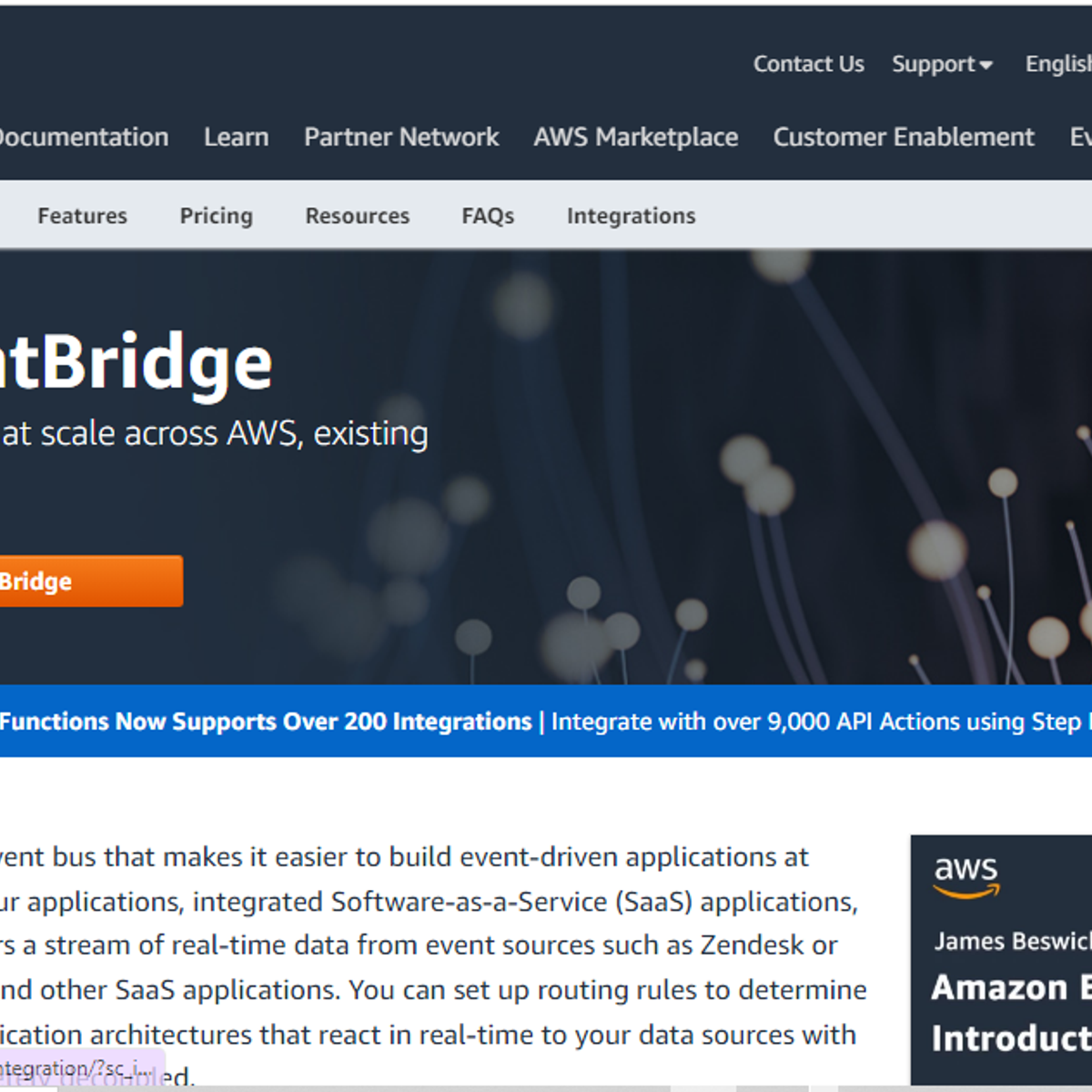
Related Reads
📰
📰
📰
📰
Are AI Consultants Experts or Just Selling Hype?
Dev.to AI
The Day Kolkata’s Search Results Stopped Being a List
Medium · AI
NEWSLETTER: Latest in AI, TikTok, Cybersecurity and “Is AI Entering Its ‘CVE & CVSS’ Moment”
Medium · AI
You Have Been Buying Graphics Cards From a Gaming Company for Twenty Years.
Medium · Machine Learning
🎓
Tutor Explanation

 DeepCamp AI