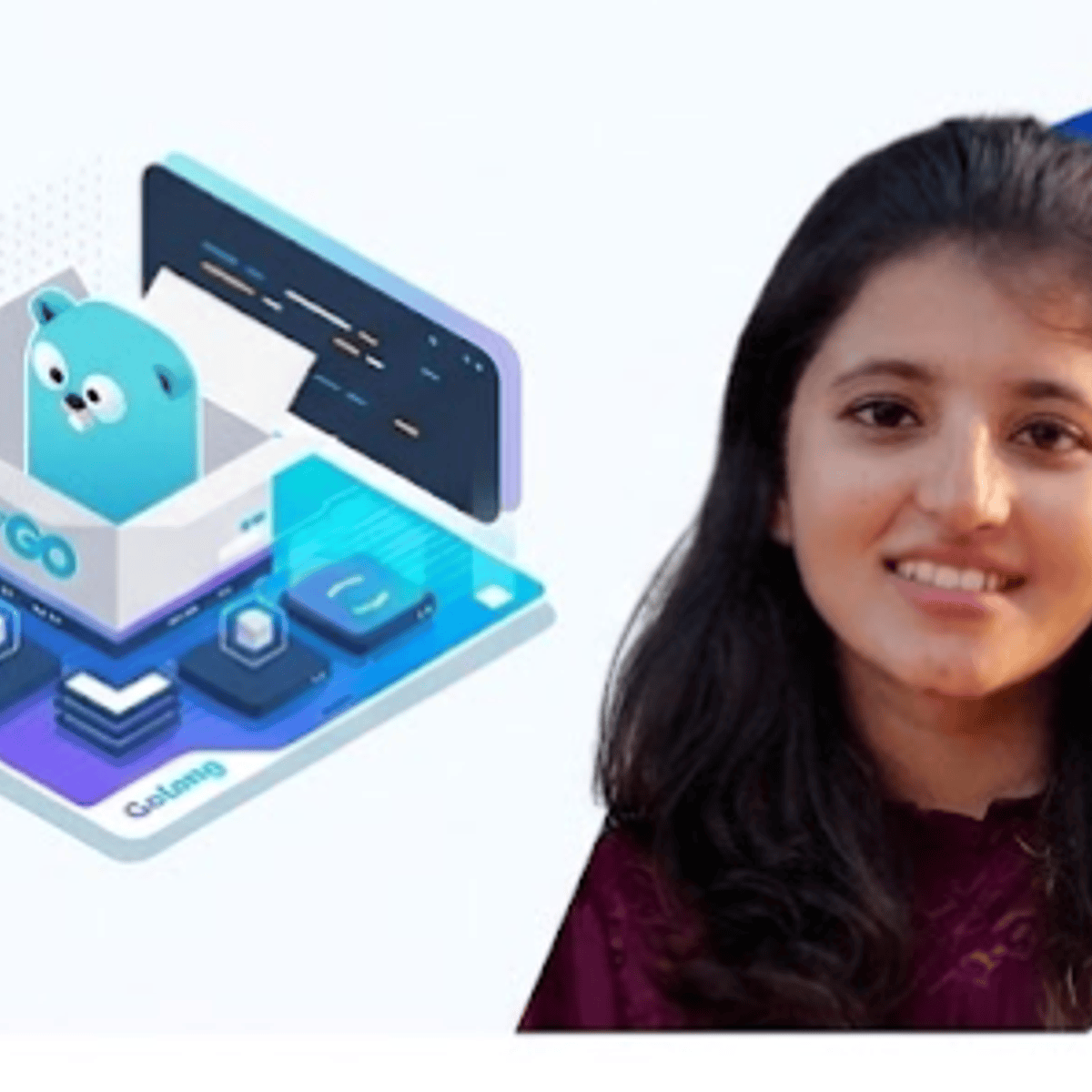
Golang: Foundations and Variables
Key Takeaways
Covers Go syntax, data types, and variables for beginners, introducing the Go programming language
Original Description
Learn Go syntax, data types, and variables — no coding experience required.
Go (Golang) is a high-performance, open-source programming language built by Google — and this course is where your journey begins. Golang: Foundations & Variables takes you from zero to writing, compiling, and running real Go programs, with no prior coding experience required.
You'll start by setting up your professional Go development environment on Windows, Mac, or Linux and writing your very first program. From there, you'll explore Go's strict type system — understanding how the language handles numbers, booleans, and strings, and why static typing makes your code safer and more predictable.
You'll then learn to declare and initialize variables using Go's multiple syntax options, manage scope across your programs, and understand how Go assigns zero values automatically. The course closes with constants, type conversion, and the arithmetic and comparison operators that form the logical foundation of any real application.
Every module includes hands-on coding labs, practice quizzes, and AI-guided role-plays — including building a user registration tool and a financial calculator — to reinforce your skills through realistic development scenarios.
This is Course 1 of the Go Programming Mastery Specialization, designed for absolute beginners, career changers, developers new to Go, students interested in systems programming, and anyone ready to start writing Go.
Start Building Real Go Programs Today!
Watch on External: Coursera ↗
(saves to browser)
Sign in to unlock AI tutor explanation · ⚡30
More on: AI Pair Programming
View skill →




Related Reads
📰
📰
📰
📰
SVD y PCA: cómo el álgebra lineal comprime miles de dimensiones
Dev.to AI
The Baseline I Actually Picked for My Kaggle Pokémon Agent, and Why
Medium · Machine Learning
Composing with attributes, not fighting them
Dev.to · Ernesto Herrera Salinas
I built this because AI was making me a dumb and lazy engineer
Reddit r/learnprogramming
🎓
Tutor Explanation
 DeepCamp AI