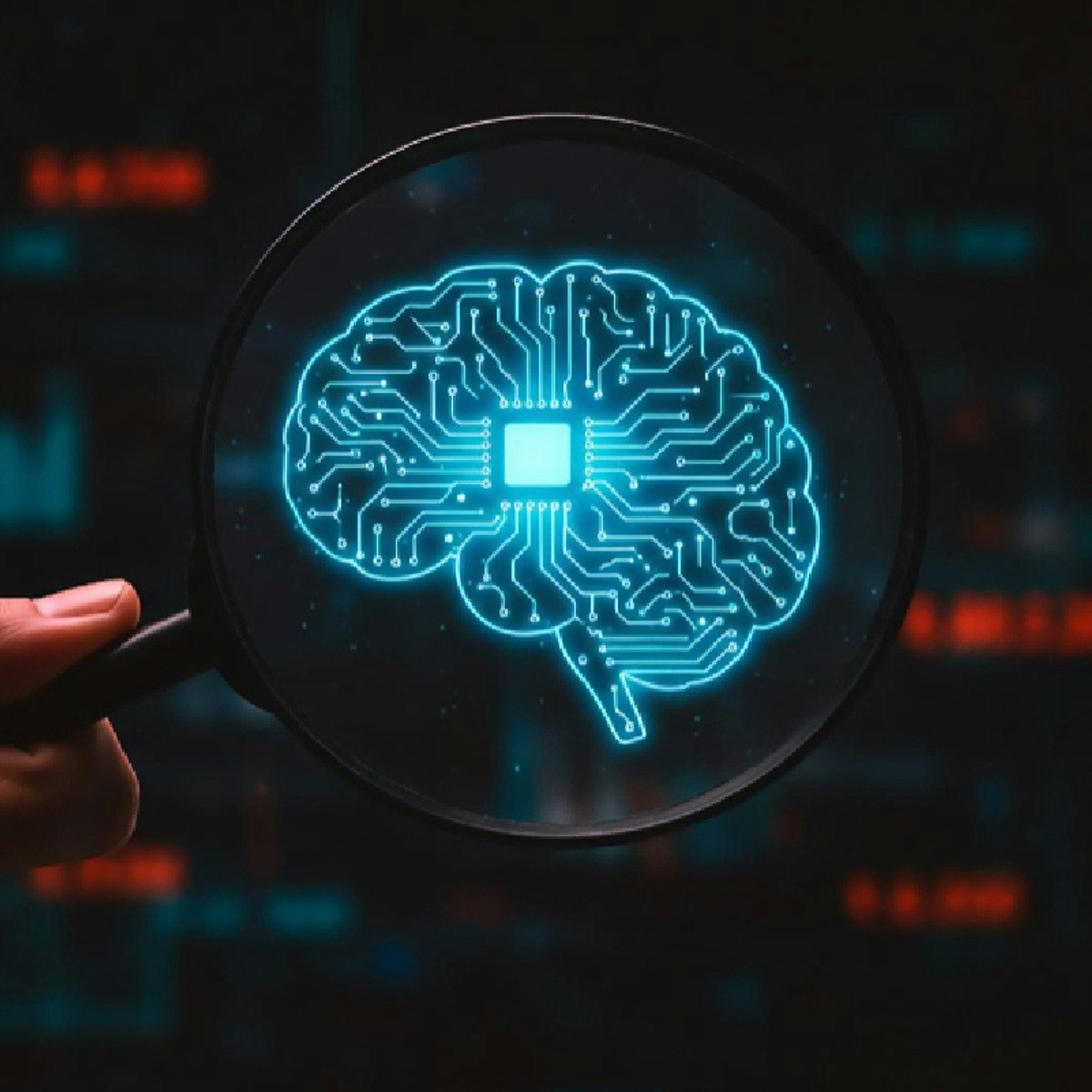
Generative AI Models and GPU Systems
Key Takeaways
Generative AI models and GPU systems for scalable deployment
Original Description
This course explores the foundations and evolution of modern generative deep learning systems, taking you from latent representation learning to advanced diffusion architectures and scalable GPU deployment strategies. Combining strong conceptual depth with practical demonstrations, this course provides a structured journey through generative modeling paradigms, architectural innovations, and production-ready optimization techniques.
You will begin by understanding Autoencoders and Variational Autoencoders (VAEs), examining how neural networks learn compressed latent representations and structured probabilistic spaces. From there, you will transition into Generative Adversarial Networks (GANs), analyzing adversarial training dynamics, instability challenges, and architectural improvements such as DCGAN and CycleGAN. As the course progresses, you will build a deep understanding of diffusion models — including DDPM, U-Net-based denoising systems, latent diffusion, and conditional generation techniques that power modern text-to-image systems.
The course then expands into GPU systems and scalable deep learning. You will explore object detection and segmentation workloads, mixed precision training, distributed data parallel strategies, model parallelism, and production-ready GPU deployment. Through demonstrations and benchmarking exercises, you will see how modern generative systems scale efficiently while balancing memory, compute, and latency constraints.
By the end of this course, you will be able to:
• Explain how Autoencoders and VAEs learn structured latent representations.
• Analyze GAN training dynamics and diagnose instability issues such as mode collapse.
• Compare advanced GAN architectures and evaluate output quality trade-offs.
• Understand diffusion model fundamentals and reverse denoising processes.
• Design U-Net-based diffusion systems for conditional image generation.
• Implement text-conditioned diffusion with guided sampling techniques.
• Apply mix
AI explanation not available for this lesson yet
This lesson is still being prepared for the AI tutor. In the meantime, explore lessons that are ready.
Browse explainer-ready lessons →
More on: LLM Engineering
View skill →







Related Reads
📰
📰
📰
📰
Trained a neural net to reconstruct Bad Apple in real-time.
Reddit r/deeplearning
AI/ML Under the Hood — Part 29: CNN Breaking News: Proximity Matters
Medium · Deep Learning
Deep Learning Scientists — Claude Cowork: The Deep Learning Scientist’s New Lab Partner
Medium · Data Science
Why Qwen3.8 27B Looked Brilliant in Testing but Failed to Ship My AI Newspaper
Medium · Deep Learning
🎓
Tutor Explanation
 DeepCamp AI