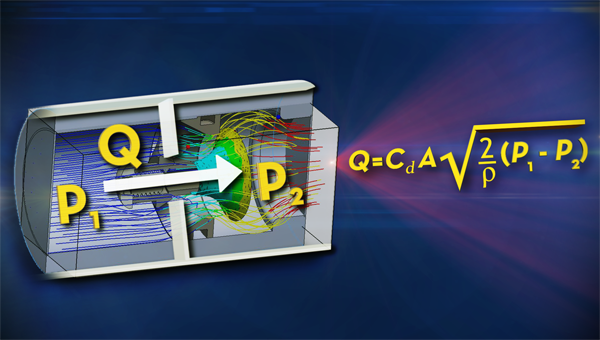
Fundamentals of Fluid Power
Fluid power has the highest power density of all conventional power-transmission technologies. Learn the benefits and limitations of fluid power, how to analyze fluid power components and circuits, and how to design and simulate fluid power circuits for applications.
In this course, you will be introduced to the fundamental principles and analytical modeling of fluid power components, circuits, and systems.
You will learn the benefits and limitations of fluid power compared with other power transmission technologies; the operation, use, and symbols of common hydraulic components; how to formulate and analyze models of hydraulic components and circuits; and how to design and predict the performance of fluid power circuits.
This course is supported by the National Science Foundation Engineering Research Center for Compact and Efficient Fluid Power, and is endorsed by the National Fluid Power Association, the leading industry trade group in fluid power.
Watch on Coursera ↗
(saves to browser)
Sign in to unlock AI tutor explanation · ⚡30
Related AI Lessons
⚡
⚡
⚡
⚡
The ABCs of reading medical research and review papers these days
Medium · LLM
#1 DevLog Meta-research: I Got Tired of Tab Chaos While Reading Research Papers.
Dev.to AI
How to Set Up a Karpathy-Style Wiki for Your Research Field
Medium · AI
The Non-Optimality of Scientific Knowledge: Path Dependence, Lock-In, and The Local Minimum Trap
ArXiv cs.AI
🎓
Tutor Explanation

 DeepCamp AI