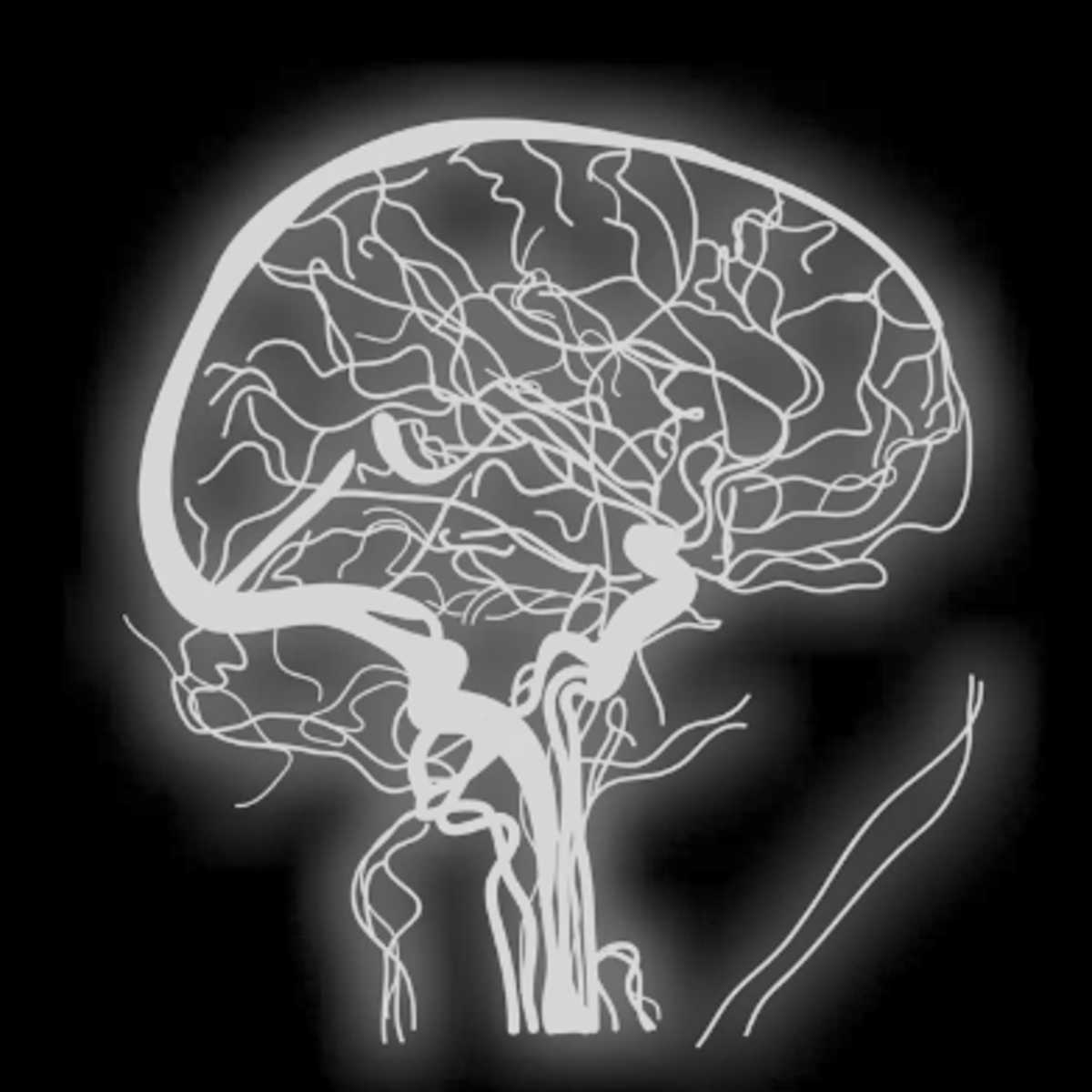
Fundamental Neuroscience for Neuroimaging
Neuroimaging methods are used with increasing frequency in clinical practice and basic research. Designed for students and professionals, this course will introduce the basic principles of neuroimaging methods as applied to human subjects research and introduce the neuroscience concepts and terminology necessary for a basic understanding of neuroimaging applications. Topics include the history of neuroimaging, an introduction to neuroimaging physics and image formation, as well as an overview of different neuroimaging applications, including functional MRI, diffusion tensor imaging, magnetic resonance spectroscopy, perfusion imaging, and positron emission tomography imaging. Each will be reviewed in the context of their specific methods, source of signal, goals, and limitations. The course will also introduce basic neuroscience concepts necessary to understand the implementation of neuroimaging methods, including structural and functional human neuroanatomy, cognitive domains, and experimental design.
Watch on Coursera ↗
(saves to browser)
Sign in to unlock AI tutor explanation · ⚡30
Related AI Lessons
⚡
⚡
⚡
⚡
The ABCs of reading medical research and review papers these days
Medium · LLM
#1 DevLog Meta-research: I Got Tired of Tab Chaos While Reading Research Papers.
Dev.to AI
How to Set Up a Karpathy-Style Wiki for Your Research Field
Medium · AI
The Non-Optimality of Scientific Knowledge: Path Dependence, Lock-In, and The Local Minimum Trap
ArXiv cs.AI
🎓
Tutor Explanation

 DeepCamp AI