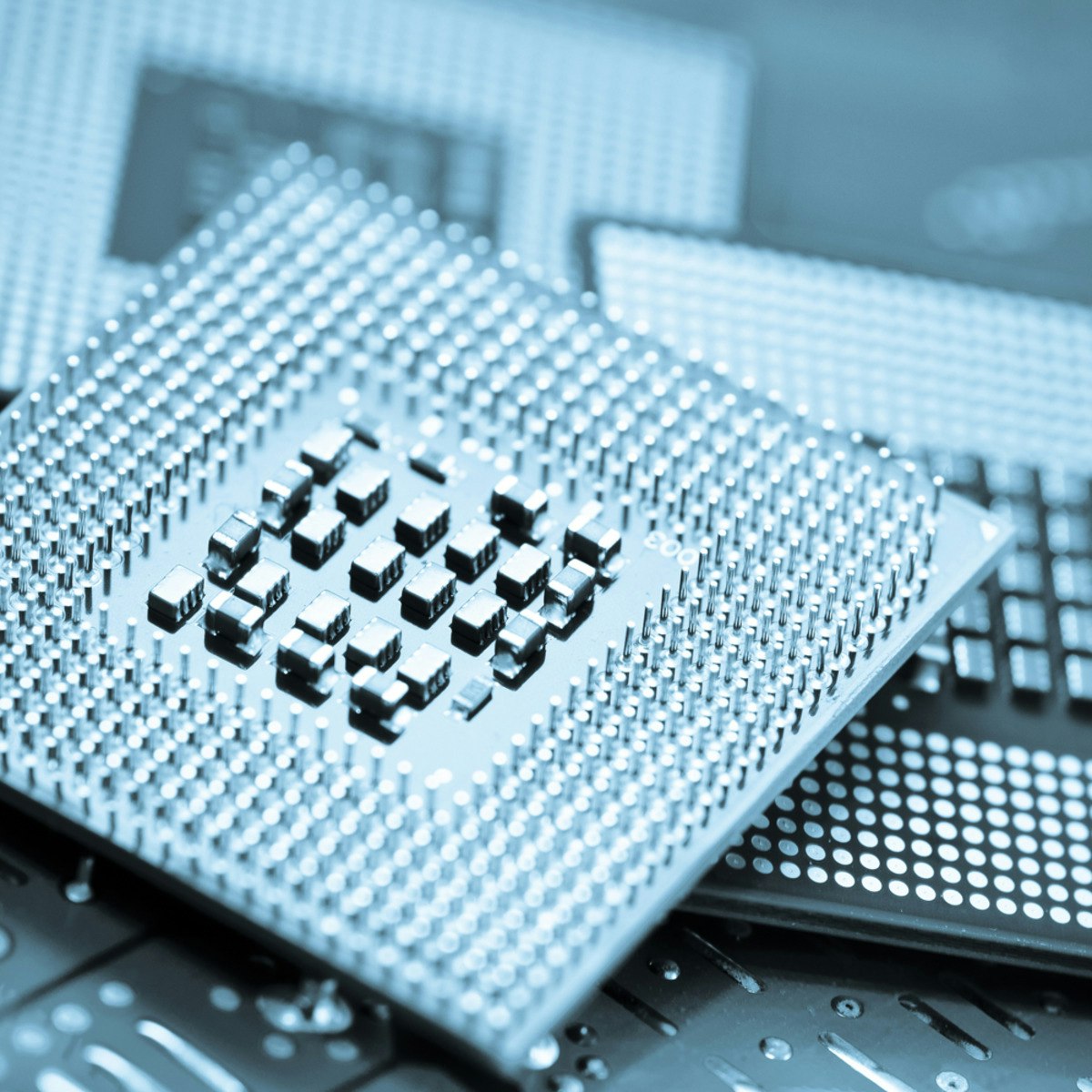
FPGA computing systems: Background knowledge and introductory materials
Key Takeaways
Introduces background knowledge and introductory materials for FPGA computing systems
Original Description
This course is for anyone passionate in learning how a hardware component can be adapted at runtime to better respond to users/environment needs. This adaptation can be provided by the designers, or it can be an embedded characteristic of the system itself. These runtime adaptable systems will be implemented by using FPGA technologies.
Within this course we are going to provide a basic understanding on how the FPGAs are working and of the rationale behind the choice of them to implement a desired system.
This course aims to teach everyone the basics of FPGA-based reconfigurable computing systems. We cover the basics of how to decide whether or not to use an FPGA and, if this technology will be proven to be the right choice, how to program it.
This is an introductory course meant to guide you through the FPGA world to make you more conscious on the reasons why you may be willing to work with them and in trying to provide you the sense of the work you have to do to be able to gain the advantages you are looking for by using these technologies.
We rely on some extra readings to provide more information on the topic covered in this course.
Please NOTE that most of the time, these documents are provided through the IEEE Xplore Digital Library, which means that, to access them, you have to have a valid IEEE subscriptions, either does by yourself or through your university/company.
The course has no prerequisites and avoids all but the simplest mathematics and it presents technical topics by using analogizes to help also a student without a technical background to get at least a basic understanding on how an FPGA works.
One of the main objectives of this course is to try to democratize the understanding and the access to FPGAs technologies. FPGAs are a terrific example of a powerful technologies that can be used in different domains. Being able to bring this technologies to domain experts and showing them how they can improve their research because of FPGAs, can be seen
Watch on External: Coursera ↗
(saves to browser)
Sign in to unlock AI tutor explanation · ⚡30
Related AI Lessons
⚡
⚡
⚡
⚡
I Spent Weeks Looking for a Research Gap Before I Realized I Was Searching the Wrong Way
Medium · AI
ICMI 2026 Reviews [D]
Reddit r/MachineLearning
Workshop submission for main conference paper under review [D]
Reddit r/MachineLearning
Kept context-switching between arxiv, OpenReview, GitHub, and HuggingFace for every paper, so I built this. Chrome extension + website with everything inline, plus citation graph + SPECTER2 neighbors. 3M papers, free, feedback welcome [P]
Reddit r/MachineLearning
🎓
Tutor Explanation
 DeepCamp AI