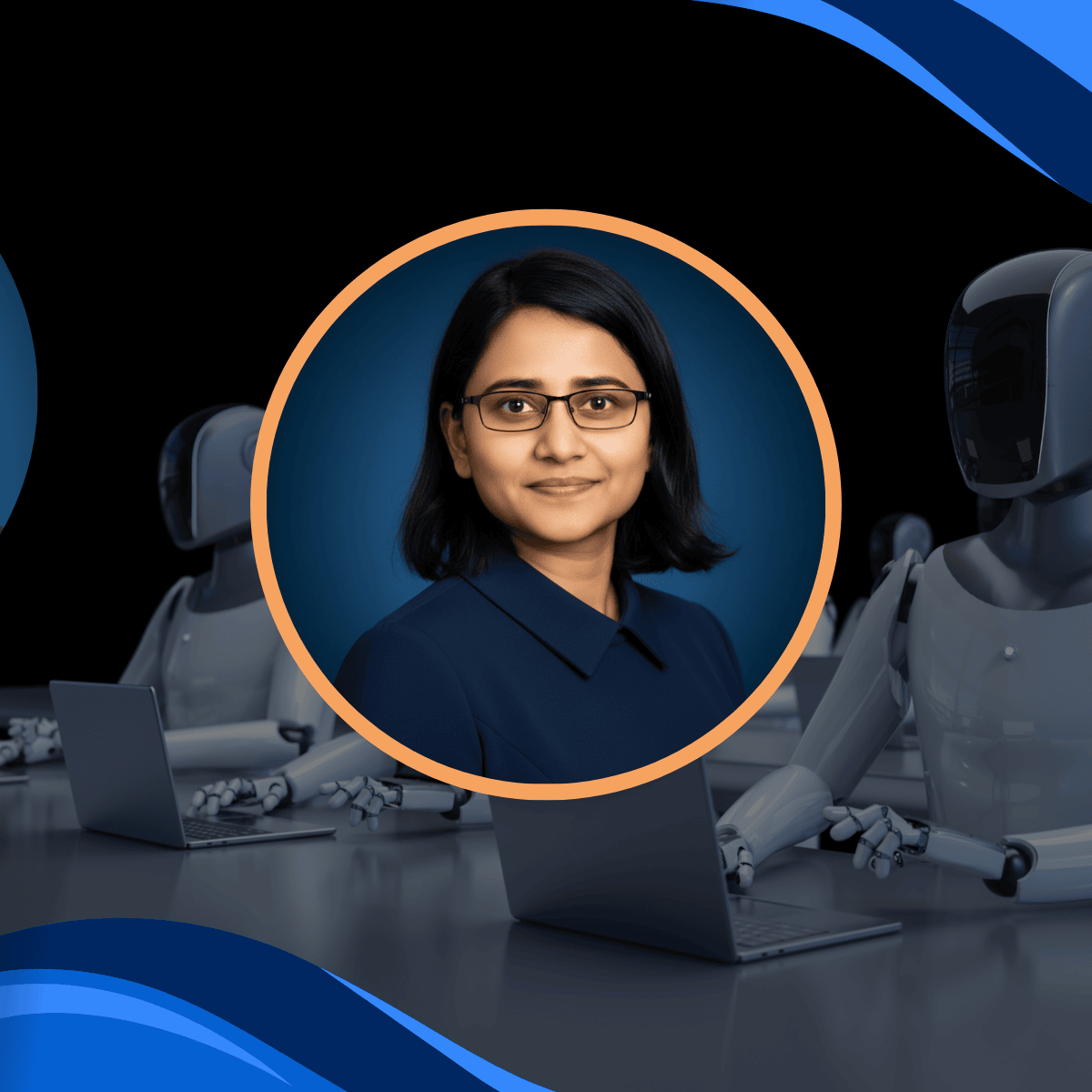
Fine-Tune & Optimize Generative AI Models
Key Takeaways
Fine-tunes and optimizes generative AI models using Hugging Face Transformers and PEFT
Original Description
In today’s AI-driven world, optimizing large language models for specific domains while managing cost is a key competitive skill. This course trains AI engineers, ML practitioners, and data scientists to transform baseline generative models into efficient, production-ready solutions. Through hands-on labs using Hugging Face Transformers, PEFT, and Evaluate, you’ll master decoding strategies (temperature, top-k, top-p, beam search), automated evaluation (BLEU, ROUGE, BERTScore, custom metrics), and parameter-efficient fine-tuning (LoRA) that cuts trainable parameters by 99% without losing quality. Real-world projects cover fine-tuning 7B+ models for legal, medical, and financial applications while analyzing GPU and inference costs. The capstone simulates real constraints—limited GPU memory, latency, budget, and compliance—requiring technical, analytical, and executive deliverables. By course end, you’ll confidently optimize and evaluate LLMs, balancing quality, performance, and cost for advanced roles in LLM engineering, MLOps, and AI product development.
This course is ideal for DevOps engineers, SREs, cloud engineers, and developers who manage containerized applications and want to streamline deployments using Helm. It’s also suited for technical leads and engineers who design or maintain CI/CD or GitOps pipelines for modern, scalable systems.
Participants should have basic proficiency in Python, an understanding of machine learning fundamentals, and familiarity with natural language processing (NLP) concepts and machine learning frameworks to fully engage with the course content.
Participants should have basic proficiency in Python, an understanding of machine learning fundamentals, and familiarity with natural language processing (NLP) concepts and machine learning frameworks to fully engage with the course content.
AI explanation not available for this lesson yet
This lesson is still being prepared for the AI tutor. In the meantime, explore lessons that are ready.
Browse explainer-ready lessons →
More on: Fine-tuning LLMs
View skill →
Related Reads
📰
📰
📰
📰
Bulkgrid
Dev.to AI
What If AI Didn’t Talk?
Medium · Machine Learning
A Real Stability Pass: How an AI Model Preserves Meaning, Tension, and Intent Across a Full A11…
Medium · Machine Learning
A Real Stability Pass: How an AI Model Preserves Meaning, Tension, and Intent Across a Full A11…
Medium · LLM
🎓
Tutor Explanation
 DeepCamp AI