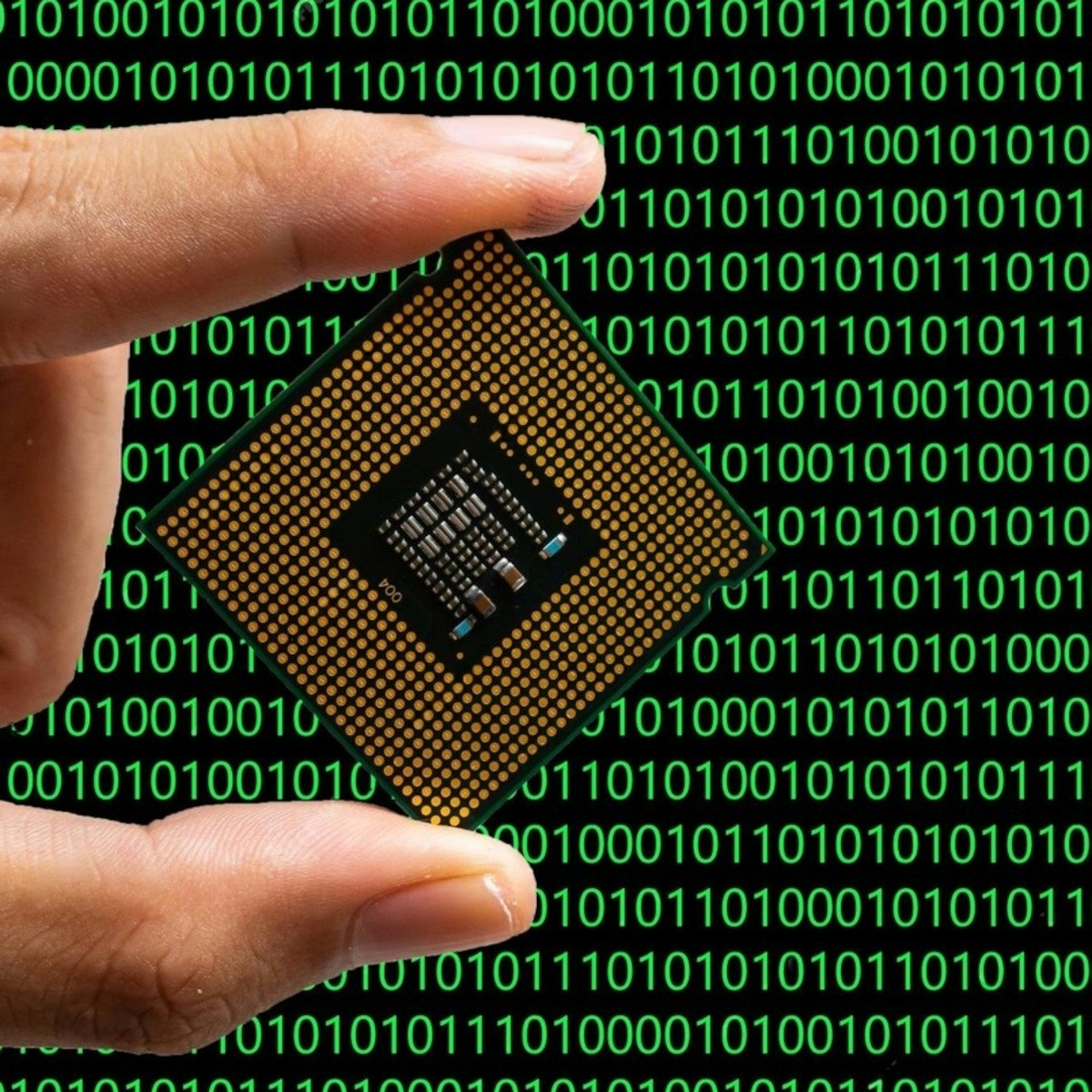
Embedded Systems using C
Skills:
AI Pair Programming70%
Key Takeaways
Programs embedded systems using C programming language
Original Description
Embark on a comprehensive journey into Embedded Systems with this course. Module 1, "Introduction to Embedded Systems," lays the foundation by exploring principles, architectures, and essential devices. In Module 2, "Programming Fundamentals in C," participants master C programming essentials, including operators, storage classes, and flow control structures. Transitioning to Module 3, "Advanced Concepts in C for Embedded Systems," participants delve into functions, arrays, pointers, and string manipulation techniques. By the course's conclusion, participants emerge equipped with the knowledge and skills necessary for confident navigation and programming in C for embedded systems development.
Learning Outcomes:
Upon completing this course, participants will:
1) Gain a solid understanding of Embedded Systems principles, architectures, and essential devices.
2) Master C programming essentials, including operators, storage classes, and flow control structures.
3) Dive deep into advanced C concepts crucial for embedded systems, such as functions, arrays, pointers, and string manipulation techniques.
4) Acquire practical skills through hands-on projects and exercises, enhancing their ability to develop embedded systems applications.
5) Develop confidence in their ability to design, program, and troubleshoot embedded systems using C.
Target Learners:
1) Electrical Engineering or Computer Science Students: Those pursuing degrees in electrical engineering or computer science, particularly with an interest in hardware-software integration and low-level programming.
2) Embedded Systems Professionals: Engineers or professionals already working in the field of embedded systems who want to deepen their understanding of C programming for embedded applications and enhance their skill set.
Pre-requisites:
1) Basic Programming Knowledge: Familiarity with programming concepts such as variables, loops, functions, and data structures.
2) Understanding of C Programming Language
Watch on External: Coursera ↗
(saves to browser)
Sign in to unlock AI tutor explanation · ⚡30
More on: AI Pair Programming
View skill →





Related AI Lessons
⚡
⚡
⚡
⚡
Bloom Filters, Explained Properly
Dev.to · Daksh Gargas
Prefix Sums: The Preprocessing Trick That Makes Range Queries Instant
Medium · Programming
I Thought I Was Ready for the Interview — Then One Simple Math Question Destroyed Me
Medium · Programming
Week 2(Day 10): LeetCode Two Pointers(slow & fast): Remove Duplicates from Sorted Array (Brute…
Medium · Python
🎓
Tutor Explanation

 DeepCamp AI