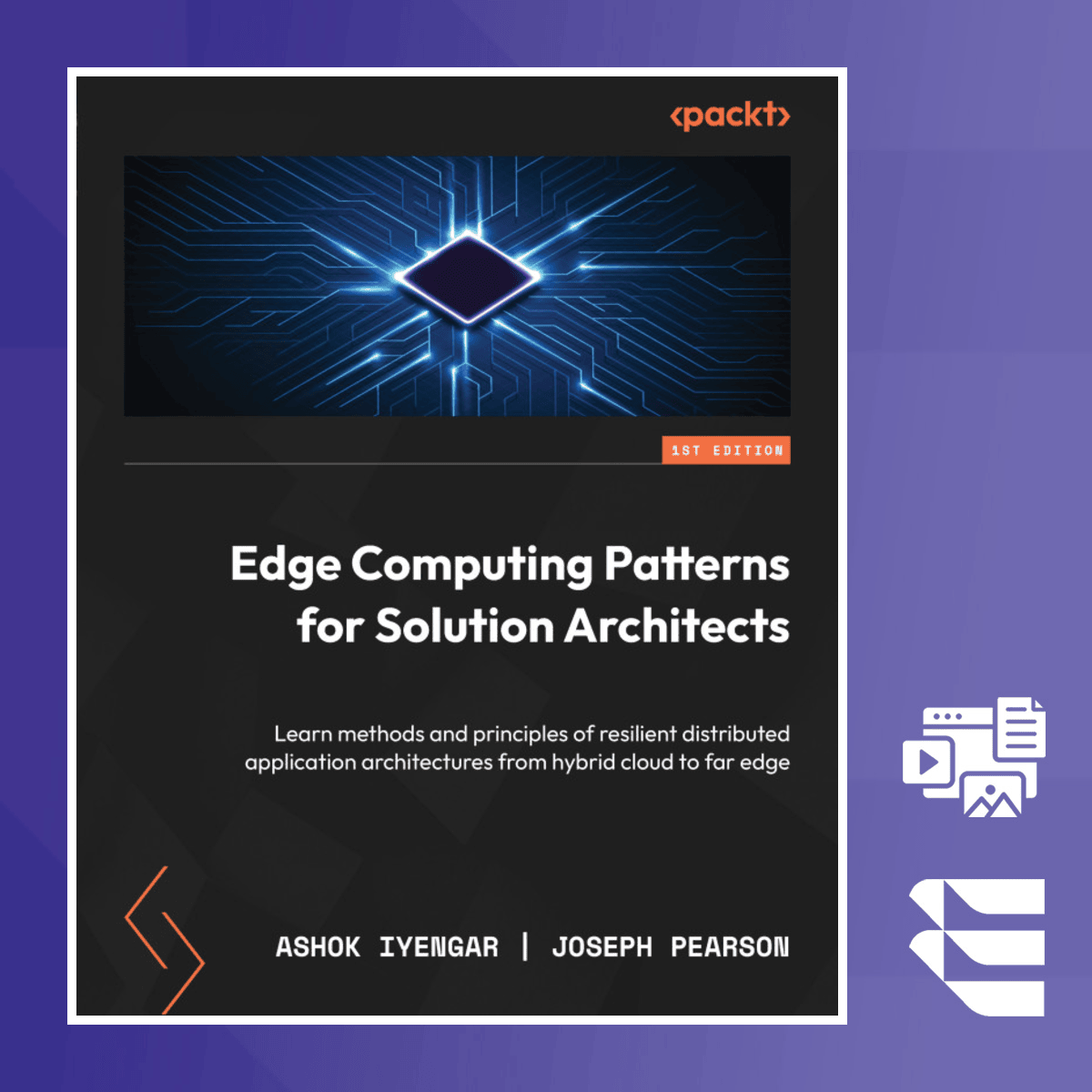
Edge Computing Patterns for Solution Architects
Key Takeaways
Applies edge computing patterns for solution architects using distributed systems design principles
Original Description
Edge computing is transforming how modern enterprises deliver data-driven services, bridging the gap between centralized cloud infrastructures and decentralized edge environments. This course provides a deep understanding of the architectural patterns and design principles needed to create resilient, scalable, and high-performance distributed systems.
Through practical exploration, learners will master strategies to design and deploy edge solutions across hybrid and multi-cloud ecosystems. They’ll gain hands-on knowledge of how to balance workloads, manage latency-sensitive applications, and apply industry-tested best practices to real-world use cases.
What makes this course unique is its pattern-based approach, built around real-world examples, automation principles, and scalability considerations. It connects theoretical frameworks with proven architectures, ensuring learners can apply what they learn directly to complex enterprise environments.
This course is designed for solution architects, enterprise architects, and IT professionals experienced in cloud computing who want to specialize in edge solution design. A foundational understanding of cloud architecture concepts is recommended to get the most from this course.
Watch on External: Coursera ↗
(saves to browser)
Sign in to unlock AI tutor explanation · ⚡30
Related AI Lessons
⚡
⚡
⚡
⚡
The Hardest Part Of Microservices Is Undoing What Already Succeeded
Medium · Programming
What OOP Actually Buys You (And Why “Real World Modeling” Is a Lie)
Medium · Programming
Data Partitioning in System Design: Why Every Scalable Application Depends on It
Medium · Programming
Why Realtime Collaboration Is Harder Than It Looks?
Medium · JavaScript
🎓
Tutor Explanation

 DeepCamp AI