Dynamical Modeling Methods for Systems Biology
Skills:
Research Methods90%
Key Takeaways
Introduces dynamical modeling techniques for Systems Biology research using mathematical modeling and case-based approaches
Original Description
An introduction to dynamical modeling techniques used in contemporary Systems Biology research.
We take a case-based approach to teach contemporary mathematical modeling
techniques. The course is appropriate for advanced undergraduates and beginning graduate students. Lectures provide biological background and describe the development of both classical mathematical models and more recent representations of biological processes. The course will be useful for students who plan to use experimental techniques as their approach in the laboratory and employ computational modeling as a tool to draw deeper understanding of experiments. The course should also be valuable as an introductory overview for students planning to conduct original research in modeling biological systems.
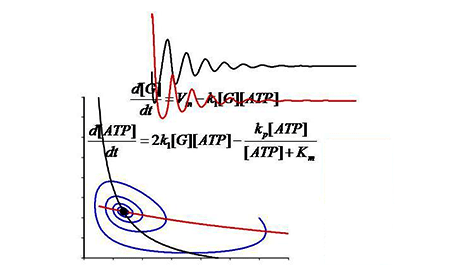
This course focuses on dynamical modeling techniques used in Systems Biology research. These techniques are based on biological mechanisms, and simulations with these models generate predictions that can subsequently be tested experimentally. These testable predictions frequently provide novel insight into biological processes. The approaches taught here can be grouped into the following categories: 1) ordinary differential equation-based models, 2) partial differential equation-based models, and 3) stochastic models.
Watch on External: Coursera ↗
(saves to browser)
Sign in to unlock AI tutor explanation · ⚡30
More on: Research Methods
View skill →








Related Reads
📰
📰
📰
📰
A lightweight workflow for keeping up with AI conference papers
Dev.to · Daniel
Why CitedEvidence Believes Great Researchers Read Less Than You Think
Medium · AI
How to Write a Literature Review That Actually Argues Something
Medium · Machine Learning
I Built a Personal Paper Engine to Stop Losing Research Papers
Dev.to · Ethan
🎓
Tutor Explanation

 DeepCamp AI