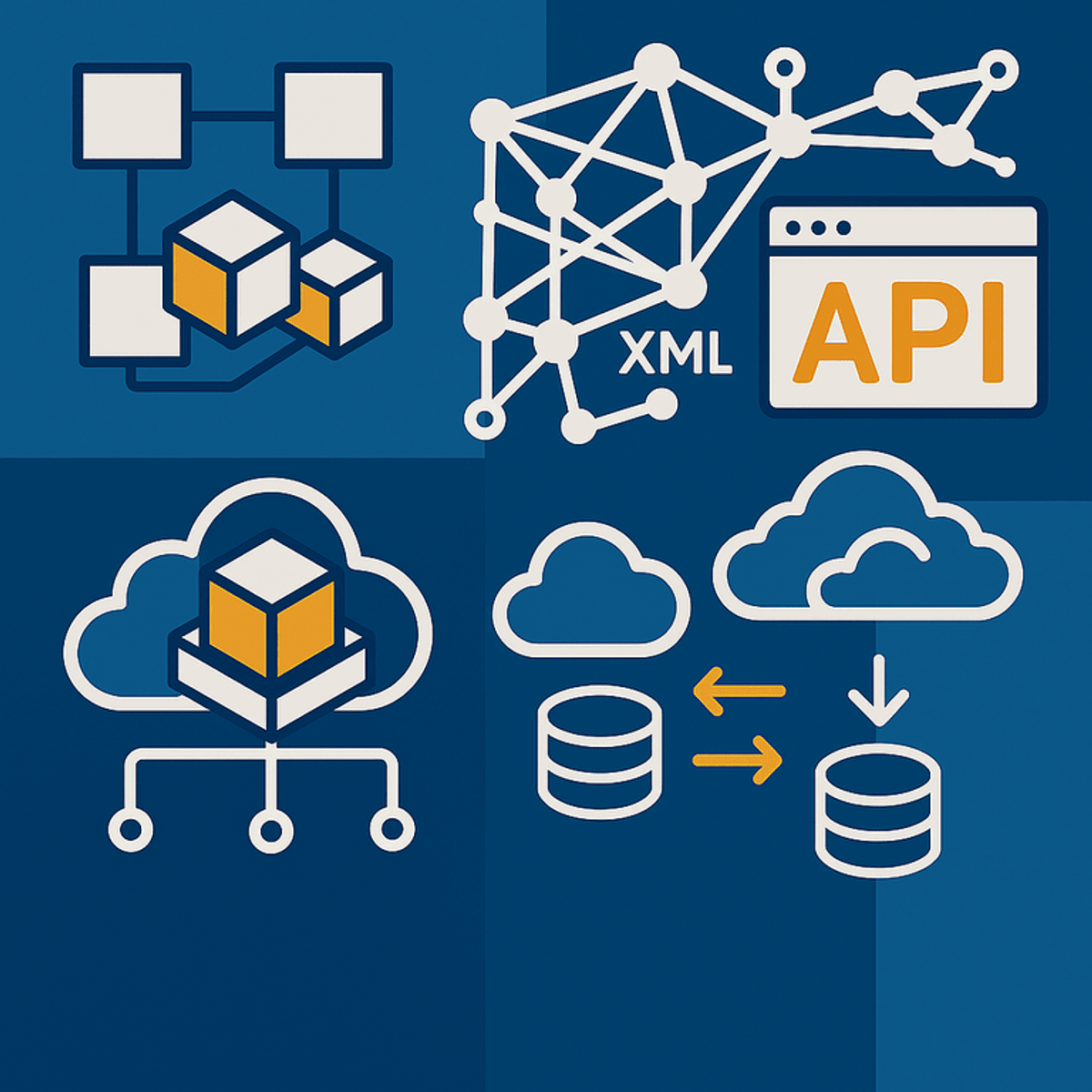
Distributed Systems and Web Services
Skills:
Distributed Systems90%
Key Takeaways
Design and implement scalable distributed systems and web services using cloud architectures
Original Description
Develop the technical foundation to design and implement scalable, interconnected cloud systems. In this course, you’ll explore distributed architectures and web service design that power today’s high-performance applications. Through hands-on lessons, you’ll learn how distributed systems manage computation, storage, and communication across multiple machines, and how RESTful APIs enable seamless data exchange between services. You’ll also gain experience deploying applications using virtualization and cloud storage technologies.
By the end of the course, you’ll be able to analyze distributed architectures, build and test web services using Flask, and apply containerization concepts with Docker. You’ll understand how cloud components integrate to create flexible, reliable, and scalable systems. Designed for learners seeking to expand their cloud development and systems engineering skills, this course bridges theory and practice through real-world use cases and guided coding exercises, preparing you for advanced studies or roles in cloud computing, backend development, or systems design.
Watch on External: Coursera ↗
(saves to browser)
Sign in to unlock AI tutor explanation · ⚡30
More on: Distributed Systems
View skill →






Related AI Lessons
⚡
⚡
⚡
⚡
Monolith vs Microservices: A Real-World Architectural Autopsy
Dev.to · Erwin Wilson Ceniza2
FOV in FPS Games: The Math Behind Field of View Settings
Dev.to · Alex Carter
How I Structured My Next.js 14 App Router Project — And Why It Scales
Dev.to · Mbanefo Emmanuel Ifechukwu
Let’s write a simple Lexer in Go
Medium · Programming
🎓
Tutor Explanation

 DeepCamp AI