
Deploying and Debugging ML Microservices
Key Takeaways
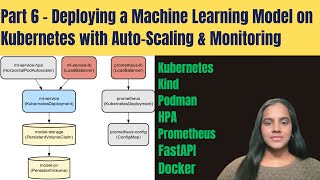
Deploys machine learning models as scalable services using containerization and maintains them within real software architectures
Original Description
Deploying machine learning models into production systems requires more than training a model—it requires reliable deployment, monitoring, and debugging practices. In this course, you'll learn how to deploy machine learning models as scalable services and maintain them within real software architectures.
You’ll begin by learning how to package and deploy machine learning models using containerization and orchestration technologies. You’ll apply tools such as Docker and Kubernetes to manage application deployment and ensure that models run consistently across environments.
Next, you’ll design machine learning services that integrate into distributed system architectures. You’ll explore microservice design patterns, implement REST-based inference services, and analyze communication patterns that support scalable system behavior.
You’ll also learn how to monitor deployed ML systems using logs, metrics, and tracing tools that reveal performance issues and system bottlenecks.
Finally, you’ll apply debugging and testing techniques to diagnose and resolve problems in machine learning code and infrastructure. Through a hands-on project, you'll deploy and troubleshoot a machine learning microservice, ensuring it performs reliably under real-world conditions.
Watch on External: Coursera ↗
(saves to browser)
Sign in to unlock AI tutor explanation · ⚡30
More on: ML Pipelines
View skill →






Related AI Lessons
⚡
⚡
⚡
⚡
How I Structured My Next.js 14 App Router Project — And Why It Scales
Dev.to · Mbanefo Emmanuel Ifechukwu
Let’s write a simple Lexer in Go
Medium · Programming
The Hardest Part Of Microservices Is Undoing What Already Succeeded
Medium · Programming
What OOP Actually Buys You (And Why “Real World Modeling” Is a Lie)
Medium · Programming
🎓
Tutor Explanation

 DeepCamp AI