
Deep Learning with Keras and Tensorflow
Key Takeaways
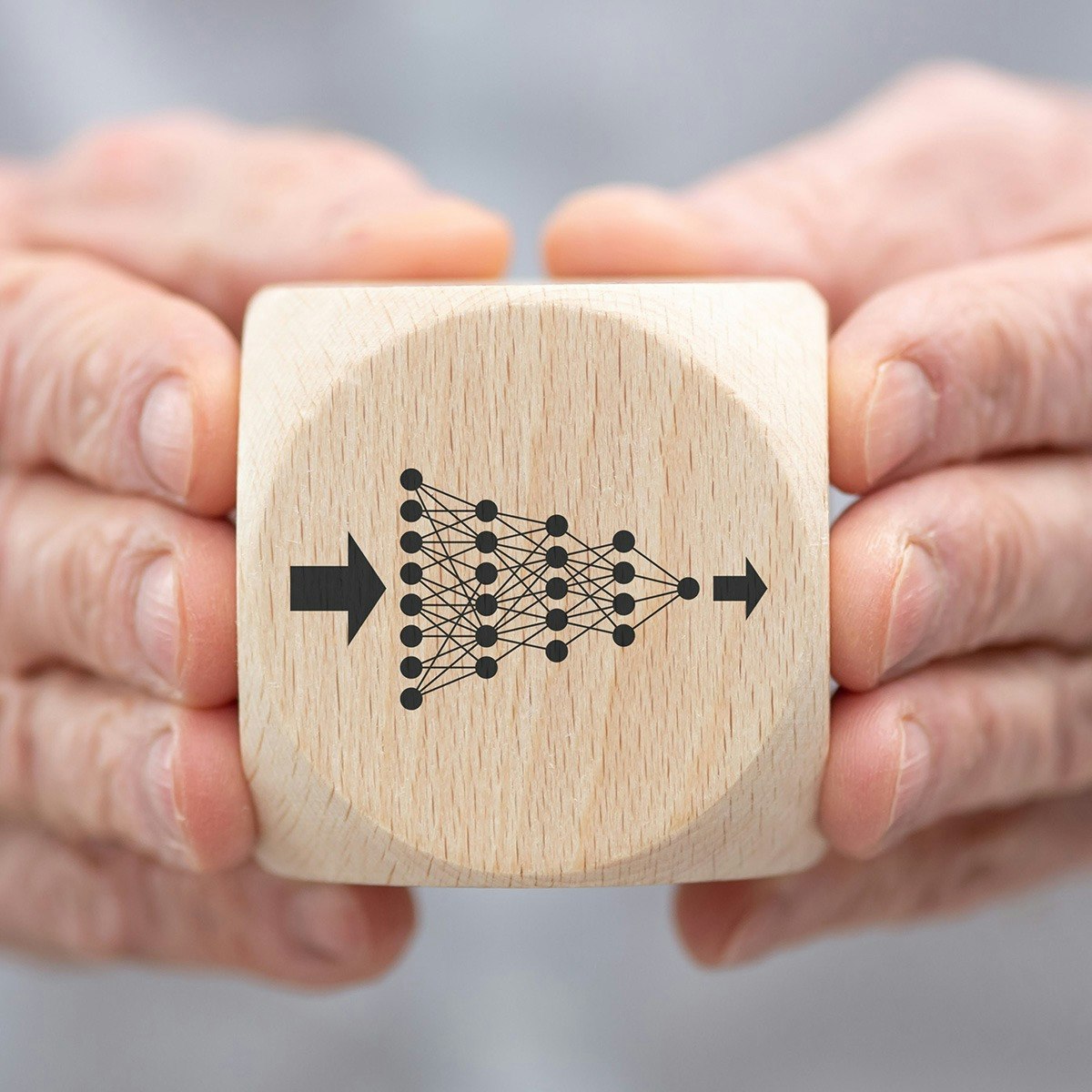
Master Deep Learning with Keras and Tensorflow using deep learning techniques and Keras and Tensorflow libraries
Original Description
Deep learning is revolutionizing many fields, including computer vision, natural language processing, and robotics. In addition, Keras, a high-level neural networks API written in Python, has become an essential part of TensorFlow, making deep learning accessible and straightforward. Mastering these techniques will open many opportunities in research and industry.
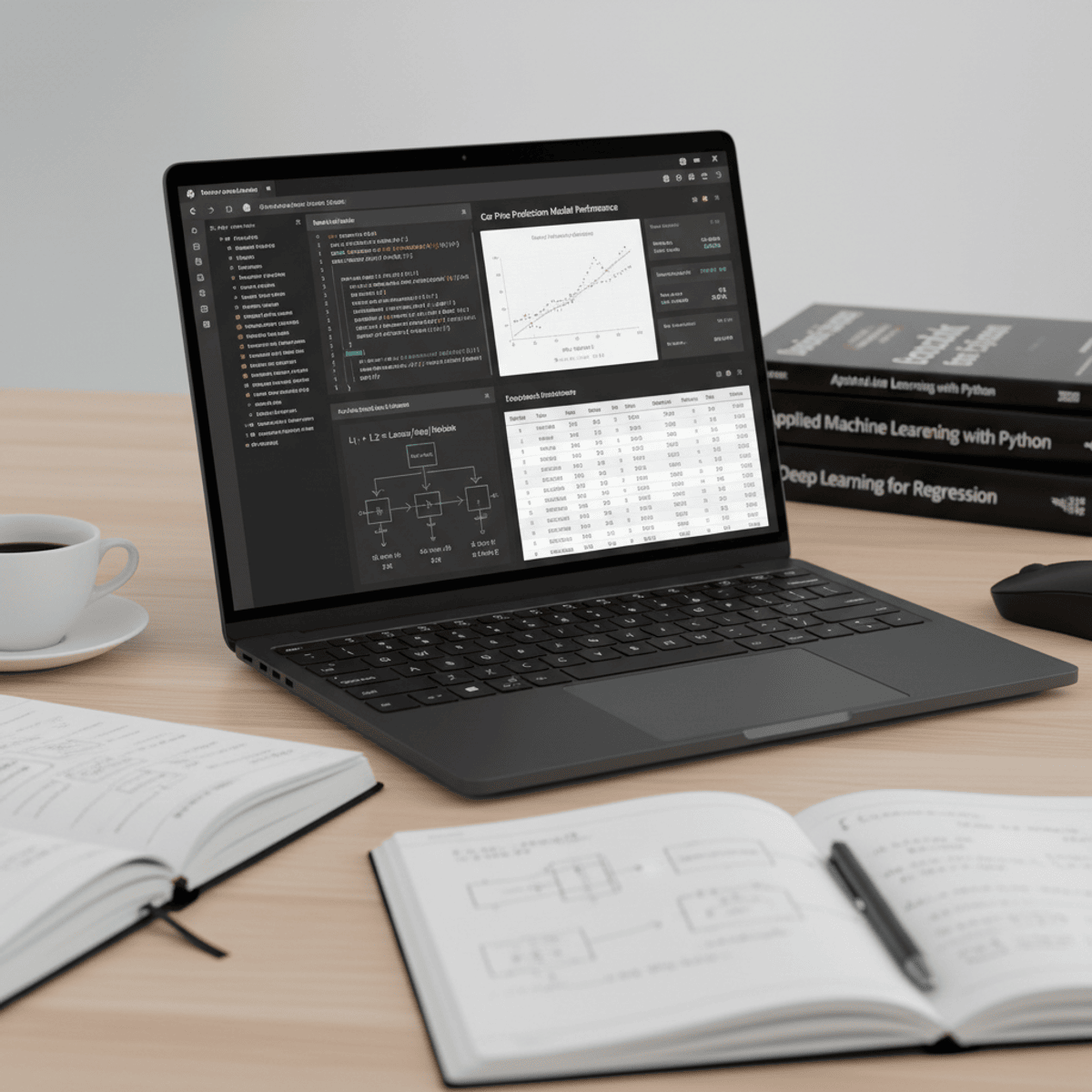
You will learn to create custom layers and models in Keras and integrate Keras with TensorFlow 2.x for enhanced functionality.
You will develop advanced convolutional neural networks (CNNs) using Keras. You will also build transformer models for sequential data and time series using TensorFlow with Keras. The course also covers the principles of unsupervised learning in Keras and TensorFlow for model optimization and custom training loops. Finally, you will develop and train deep Q-networks (DQNs) with Keras for reinforcement learning tasks (an overview of Generative Modeling and Reinforcement Learning is provided).
You will be able to practice the concepts learned using hands-on labs in each lesson. A culminating final project in the last module will provide you an opportunity to apply your knowledge to build a Classification Model using transfer learning.
This course is suitable for all aspiring AI engineers who want to learn TensorFlow and Keras. It requires a working knowledge of Python programming and basic mathematical concepts such as gradients and matrices, as well as fundamentals of Deep Learning using Keras.
Watch on External: Coursera ↗
(saves to browser)
Sign in to unlock AI tutor explanation · ⚡30
More on: Neural Network Basics
View skill →






Related Reads
📰
📰
📰
📰
Building My First Neural Network From Scratch with PyTorch: A Journey on the Dry Bean Dataset
Medium · Deep Learning
The Reframe
Medium · Deep Learning
Looking for Fast.ai Study Partner (Deep Learning, GMT+5)
Reddit r/deeplearning
Understanding Deep Learning Through Four Interactive Experiments
Medium · Data Science
🎓
Tutor Explanation
 DeepCamp AI