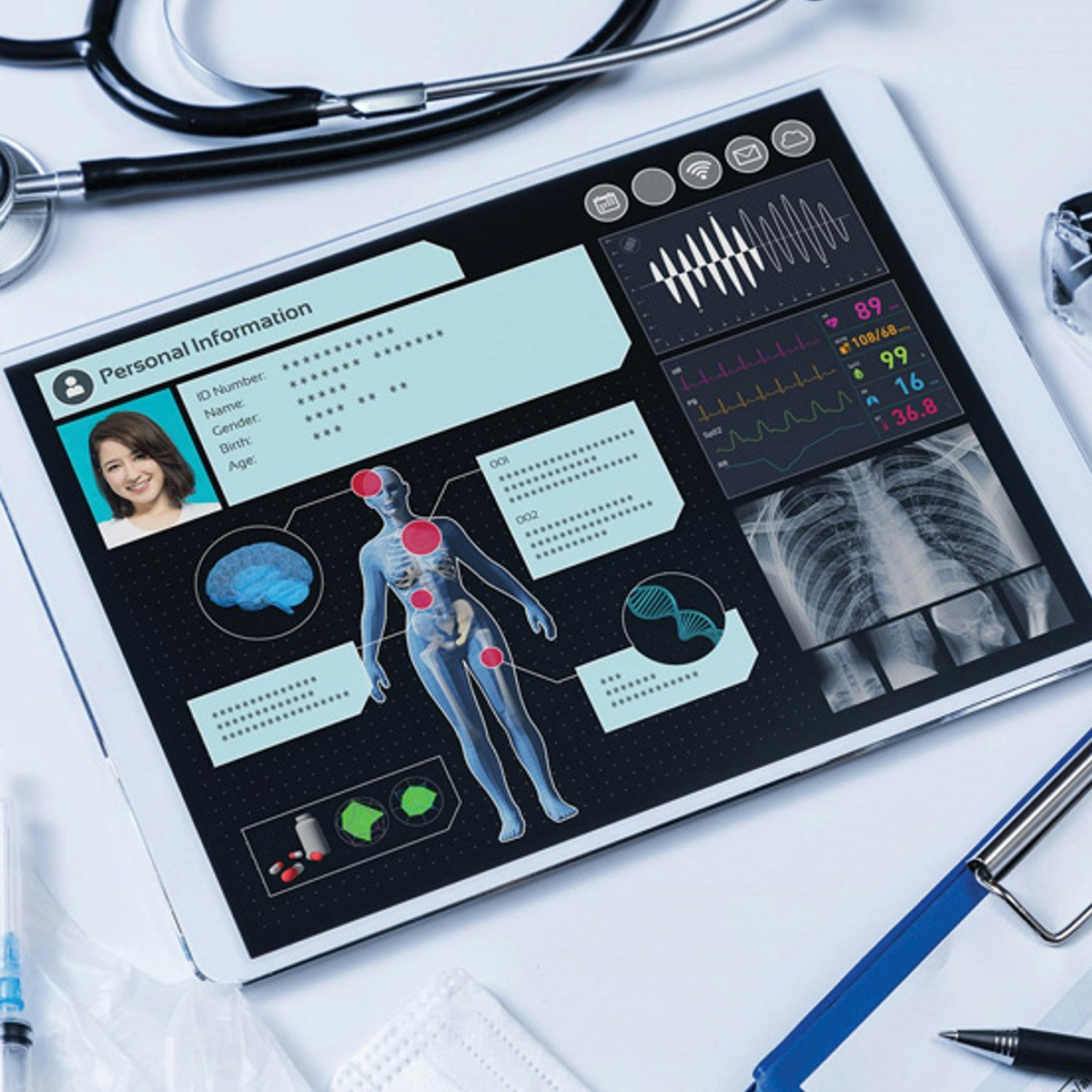
Deep Learning in Electronic Health Records
Overview of the main principles of Deep Learning along with common architectures. Formulate the problem for time-series classification and apply it to vital signals such as ECG. Applying this methods in Electronic Health Records is challenging due to the missing values and the heterogeneity in EHR, which include both continuous, ordinal and categorical variables. Subsequently, explore imputation techniques and different encoding strategies to address these issues. Apply these approaches to formulate clinical prediction benchmarks derived from information available in MIMIC-III database.
Watch on Coursera ↗
(saves to browser)
Sign in to unlock AI tutor explanation · ⚡30
Related AI Lessons
⚡
⚡
⚡
⚡
What a GPU Actually Is (and Why ML Stole It)
Dev.to AI
Python Sets: One of the Most Powerful Data Structures Beginners Often Ignore
Medium · Python
Bigger AI models aren't always better. Here's how to actually choose.
Dev.to · Rohini Gaonkar
Nobody Knows What The Beach Is Saying. And That’s The Point.
Medium · Deep Learning
🎓
Tutor Explanation

 DeepCamp AI