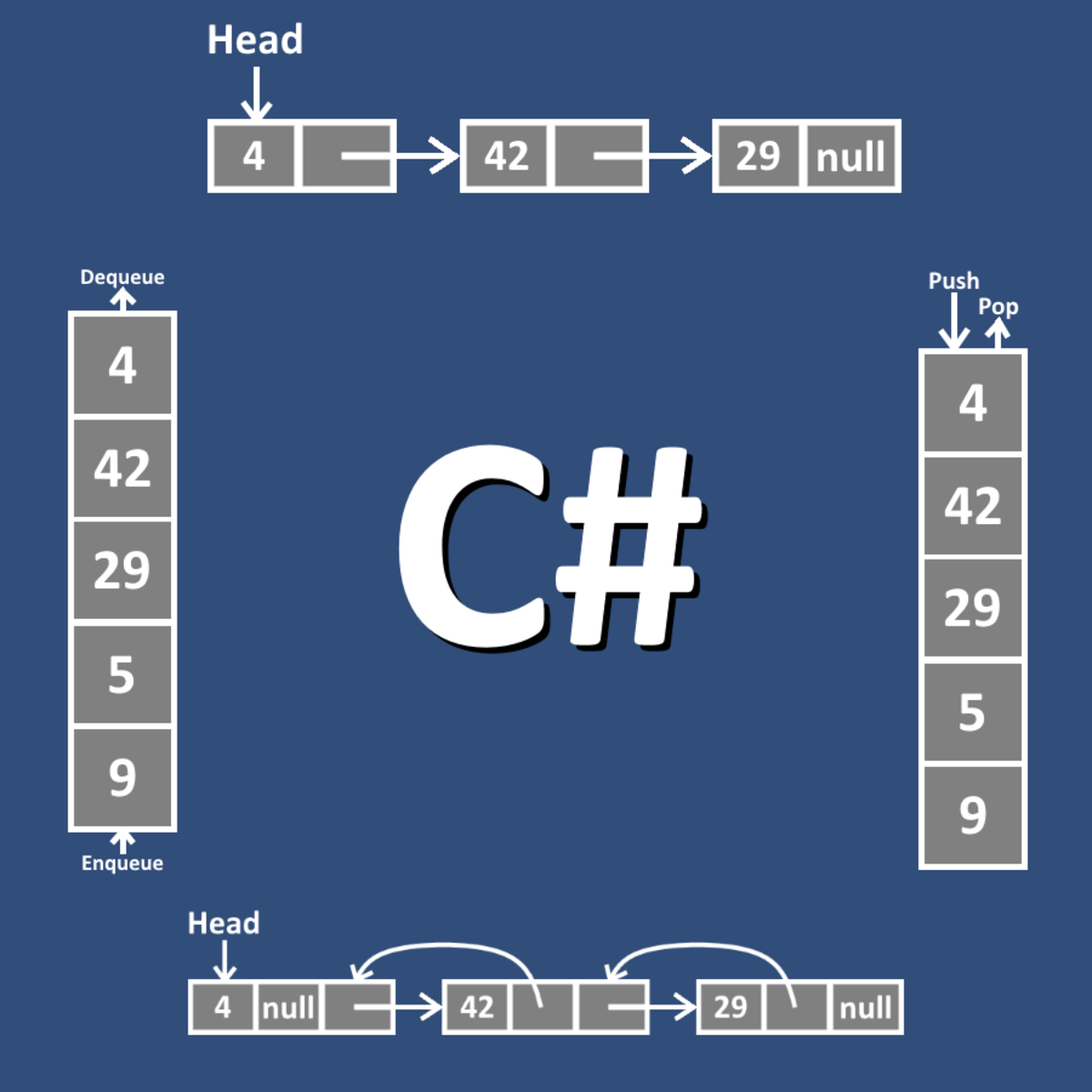
Data Structures and Design Patterns for Game Developers
Key Takeaways
Explores data structures and design patterns for game development using C# and Unity
Original Description
This course is a stand-alone course that builds on the knowledge included in the C# Programming for Unity Game Development Specialization, so the course assumes you have the prerequisite knowledge from that Specialization. You should make sure you have that knowledge, either by taking those courses or from personal experience, before tackling this course. Throughout this course you'll build on your foundational C# and Unity knowledge by developing more robust games with better object-oriented designs using various data structures and design patterns.
Data structures and design patterns are both general programming and software architecture topics that span all software, not just games. Although we'll discuss these ideas in the game domain, they also apply if you're writing a web app in ASP.NET, building a tool using WinForms, or any other software you decide to build.
Module 1: Explore a Dynamic Array data structure and learn the basics of algorithm analysis
Module 2: Learn about and use the common Linked List and Graph data structures
Module 3: Learn about and use several additional data structures: Stacks, Queues, and Trees
Module 4: Learn why design patterns are so useful and discover a number of design patterns useful in game development
“Unity” is a trademark or registered trademark of Unity Technologies or its affiliates in the U.S. and elsewhere.
This course is an independent work and is not sponsored by, authorized by, or affiliated with Unity Technologies or its affiliates
Watch on External: Coursera ↗
(saves to browser)
Sign in to unlock AI tutor explanation · ⚡30
More on: Systems Design Basics
View skill →







Related AI Lessons
⚡
⚡
⚡
⚡
Bloom Filters, Explained Properly
Dev.to · Daksh Gargas
Prefix Sums: The Preprocessing Trick That Makes Range Queries Instant
Medium · Programming
I Thought I Was Ready for the Interview — Then One Simple Math Question Destroyed Me
Medium · Programming
Week 2(Day 10): LeetCode Two Pointers(slow & fast): Remove Duplicates from Sorted Array (Brute…
Medium · Python
🎓
Tutor Explanation
 DeepCamp AI