
Customer Segmentation with K-Means: Model & Visualize
Key Takeaways
Applies K-Means clustering to customer shopping behavior data using Python for model construction and visualization
Original Description
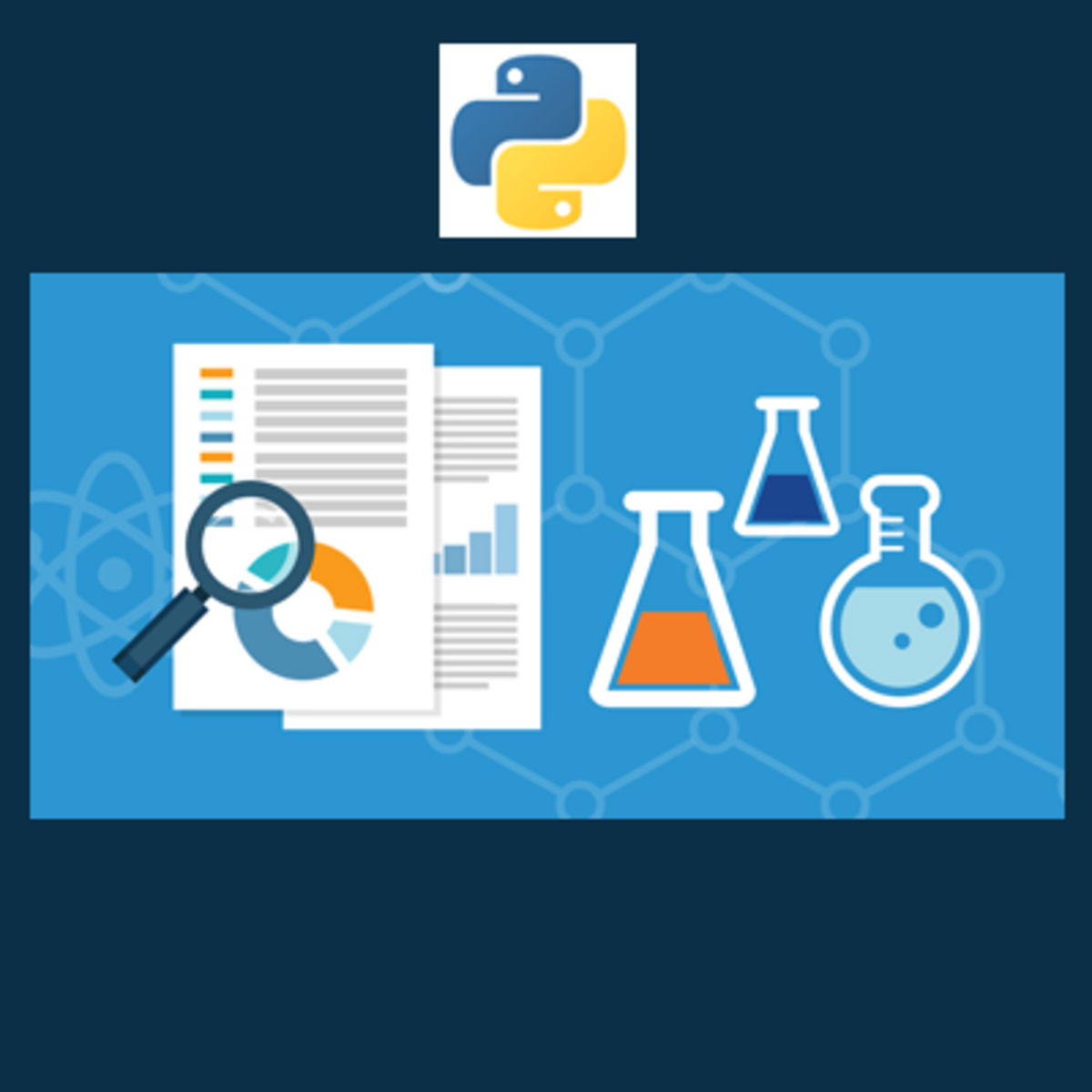
This practical course equips learners with the analytical skills to explore, model, and visualize customer shopping behavior using Python and K-Means clustering. Through structured modules, learners will prepare real-world customer data, construct meaningful visualizations, analyze variable relationships, and evaluate clustering outcomes to derive actionable business insights.
Starting with data preprocessing and environment setup, learners will organize datasets and construct various statistical charts, including pie charts, histograms, and violin plots, to interpret customer attributes. Building on this foundation, the course guides learners through correlation analysis, scaling, and model development using the K-Means algorithm. Finally, learners will visualize customer clusters and assess shopping behavior to support strategic segmentation and personalized marketing decisions.
By the end of this course, learners will be able to apply unsupervised machine learning techniques to segment customers and formulate data-driven business insights from complex shopping datasets.
Watch on External: Coursera ↗
(saves to browser)
Sign in to unlock AI tutor explanation · ⚡30
More on: ML Pipelines
View skill →





🎓
Tutor Explanation
 DeepCamp AI