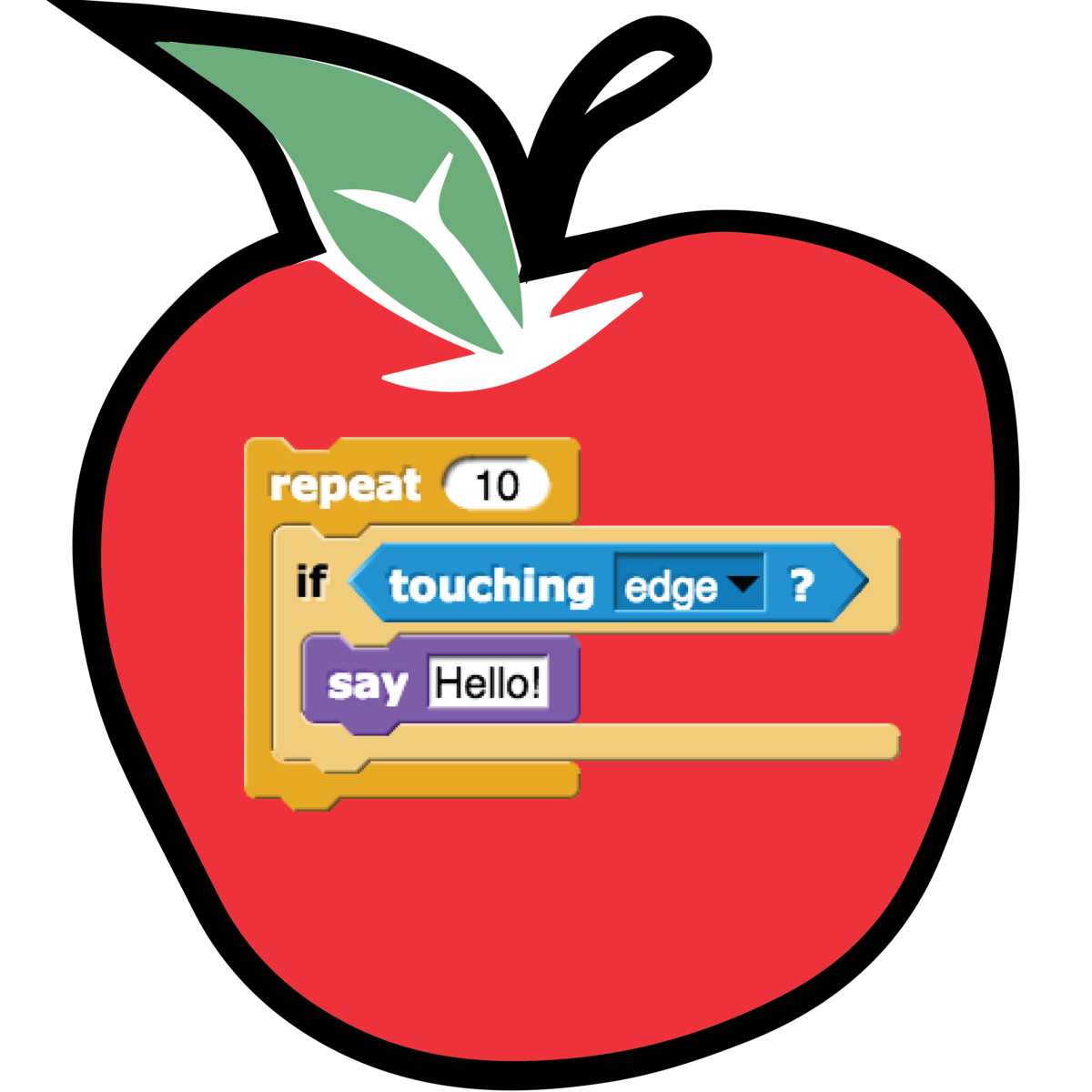
Computational Thinking for K-12 Educators: Sequences and Loops
Skills:
Algorithm Basics80%
Key Takeaways
Teaches computational thinking for K-12 educators using sequences and loops in programming
Original Description
How do we give instructions to a computer? Isn't programming hard? Not really! Whether it's giving someone directions to a nearby store or writing out some dance moves we frequently exhibit aspects of computational thinking in our everyday lives!
This class teaches the first key concepts of programming -- sequences of instructions and basic counted repetition of instructions. For each concept, we'll start by helping you connect real-world experiences you are already familiar with to the programming concept you are about to learn. Next, through a cognitively scaffolded process we'll engage you in developing your fluency with problem solving with sequences and repeated instructions in a way that keeps frustration at a minimum.
Along the way you will learn about the common challenges or "bugs" students have with these concepts as well as ways to help them find and fix those concepts. You'll also be guided in running classroom discussions to help students develop deeper understanding of these concepts.
Finally, you'll learn about a recommended pedagogical practice, Pair Programming, and find out why research recommends teaching block-based programming first.
Watch on External: Coursera ↗
(saves to browser)
Sign in to unlock AI tutor explanation · ⚡30
More on: Algorithm Basics
View skill →




Related Reads
📰
📰
📰
📰
EdTech Blogs vs. Vlogs: Which Helps People Learn Better?
Medium · Deep Learning
The Mission Behind Anitha Rises: Empowering Students, Women, and Lifelong Learners
Dev.to · Anitha
Why Marks Alone Are a Terrible Measure of Progress
Dev.to · jahnavi sharma
2–2–1: On Student Accountability and Punctuality.
Medium · Deep Learning
🎓
Tutor Explanation

 DeepCamp AI