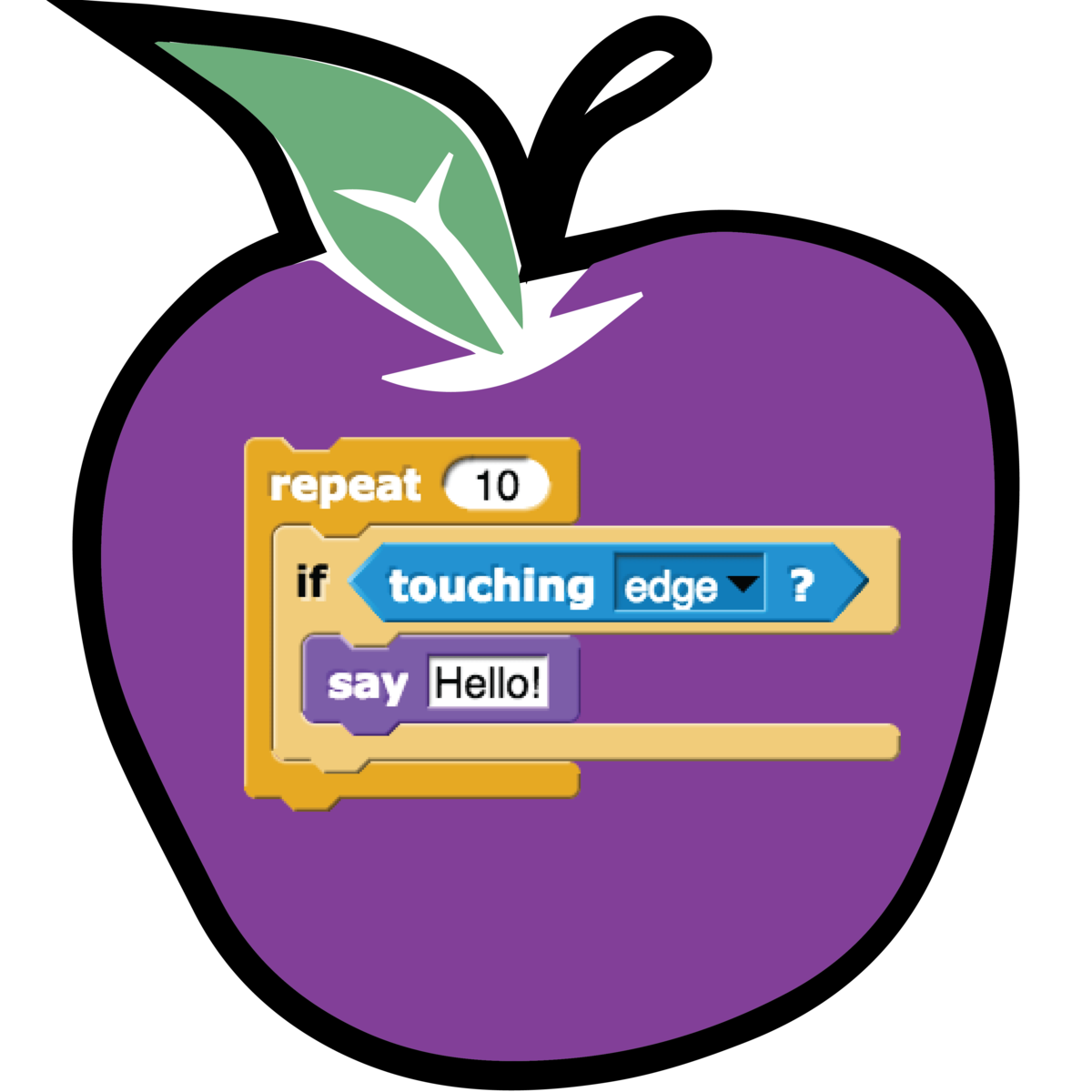
Computational Thinking for K-12 Educators: Abstraction, Methods, and Lists
Key Takeaways
Teaches computational thinking concepts, including abstraction, methods, and lists, for K-12 educators
Original Description
How do gamers cause things to happen when they hit buttons on their controller? How does the computer keep track of gamer's scores?
This class teaches the concepts of nested loops, events, and variables. For each concept, we'll start by helping you connect real-world experiences you are already familiar with to the programming concept you are about to learn. Next, through a cognitively scaffolded process we'll engage you in developing your fluency with problem solving with nested loops, events, and variables in a way that keeps frustration at a minimum.
Along the way you will learn about the common challenges or "bugs" students have with these concepts as well as ways to help them find and fix those concepts. You'll also be guided in running classroom discussions to help students develop deeper understanding of these concepts.
Finally, you'll learn how to develop low-frustration learning experiences for learning programming via Parsons' Problems., Additionally, you will create an email to either a counselor, administrator or parent organization to help them understand the value of all students taking computer science.
Watch on External: Coursera ↗
(saves to browser)
Sign in to unlock AI tutor explanation · ⚡30
More on: Algorithm Basics
View skill →




Related Reads
📰
📰
📰
📰
EdTech Blogs vs. Vlogs: Which Helps People Learn Better?
Medium · Deep Learning
The Mission Behind Anitha Rises: Empowering Students, Women, and Lifelong Learners
Dev.to · Anitha
Why Marks Alone Are a Terrible Measure of Progress
Dev.to · jahnavi sharma
2–2–1: On Student Accountability and Punctuality.
Medium · Deep Learning
🎓
Tutor Explanation

 DeepCamp AI