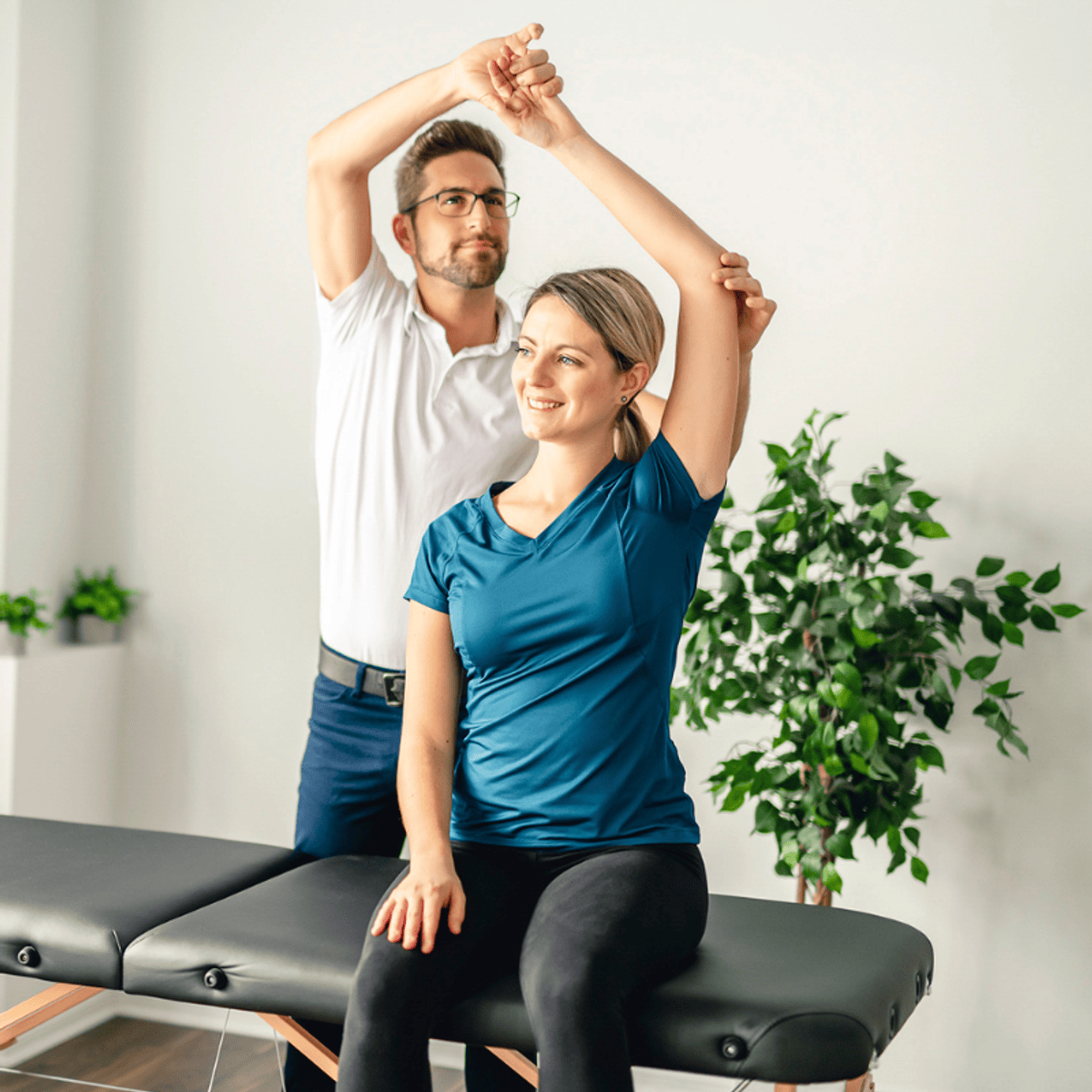
Clinical Biomechanics of the Upper and Lower Body
By the end of this course, you will (1) analyze and apply the biomechanical principles governing upper and lower body movement, and (2) use myofascial and anatomical insights to assess, treat, and prevent common injuries. Taught by award-winning educator and physiotherapist Phillipa Butler PT, this comprehensive program integrates biomechanics, myofascial anatomy, and functional movement science. You’ll explore the interconnection between the shoulder, spine, hips, and lower limbs—learning how to identify faulty movement patterns, design corrective exercises, and enhance movement efficiency.
Through detailed lectures, clinical examples, and guided exercises, you’ll develop the skills to restore function, prevent injury, and support long-term mobility. Designed for professionals working in rehabilitation and performance settings, this course bridges theory and practice, giving you the tools to apply evidence-based biomechanical analysis to real-world client care.
Watch on Coursera ↗
(saves to browser)
Sign in to unlock AI tutor explanation · ⚡30
Related AI Lessons
⚡
⚡
⚡
⚡
Investing in Secondary Market with Allocations: SPV Bank Integration for Fast Capital Deployment
Medium · Startup
How ESOPs Work: Vesting, Taxes, and What Your Offer Letter Isn’t Telling You
Medium · Startup
The portfolio math. When 30 small apps beat 1 big one.
Dev.to · GDS K S
I Disappeared for 6 Months. Here is the Hyperlocal Engine I Built in the Dark.
Medium · Startup
🎓
Tutor Explanation
 DeepCamp AI