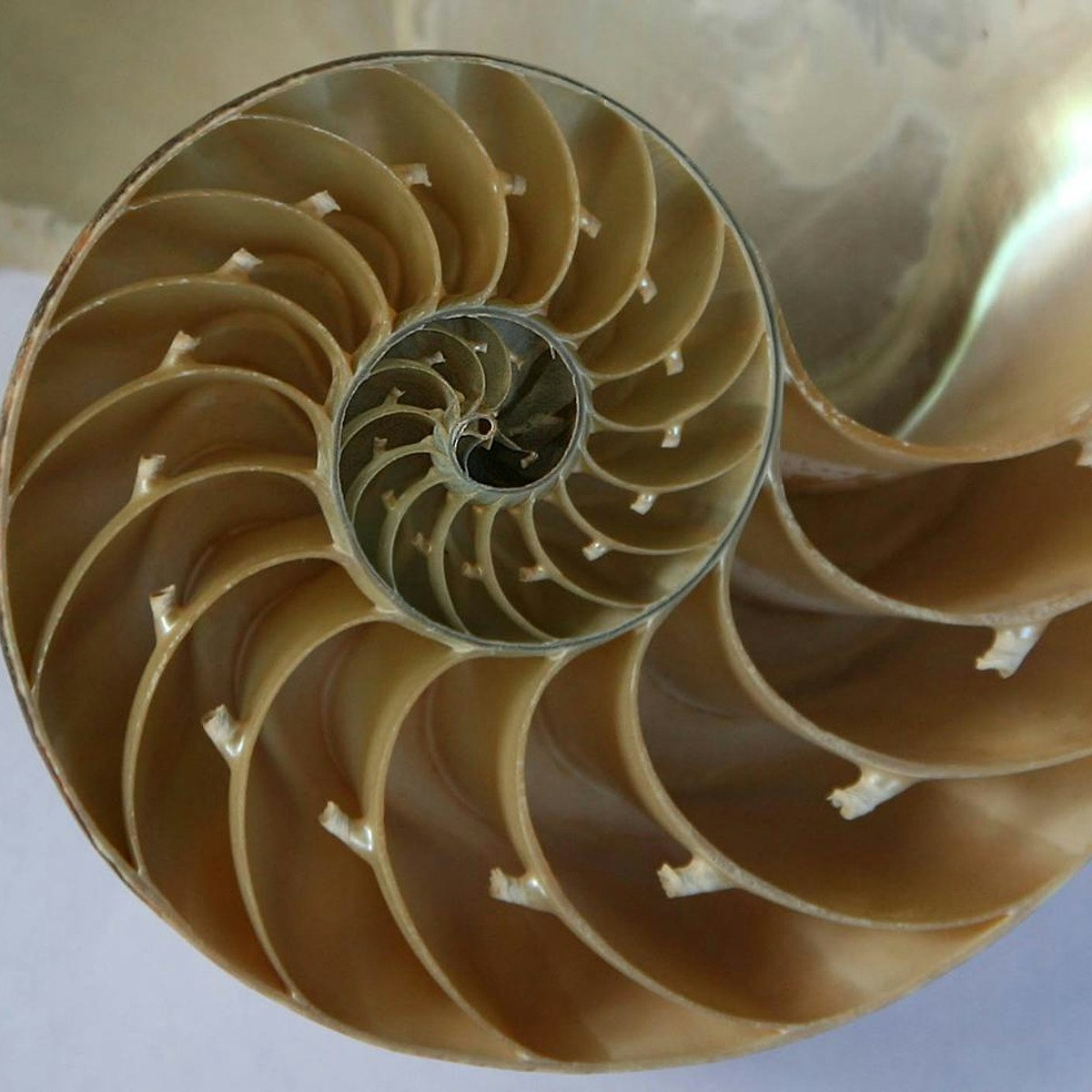
Calculus through Data & Modelling: Integration Applications
Skills:
Maths for ML90%
Key Takeaways
Applies integration concepts from calculus to data and modeling
Original Description
This course continues your study of calculus by focusing on the applications of integration. The applications in this section have many common features. First, each is an example of a quantity that is computed by evaluating a definite integral. Second, the formula for that application is derived from Riemann sums.
Rather than measure rates of change as we did with differential calculus, the definite integral allows us to measure the accumulation of a quantity over some interval of input values. This notion of accumulation can be applied to different quantities, including money, populations, weight, area, volume, and air pollutants. The concepts in this course apply to many other disciplines outside of traditional mathematics.
We will expand the notion of the average value of a data set to allow for infinite values, develop the formula for arclength and curvature, and derive formulas for velocity, acceleration, and areas between curves. Through examples and projects, we will apply the tools of this course to analyze and model real world data.
Watch on External: Coursera ↗
(saves to browser)
Sign in to unlock AI tutor explanation · ⚡30
More on: Maths for ML
View skill →





Related AI Lessons
⚡
⚡
⚡
⚡
Data privacy in AI training: federated learning, differential privacy, and synthetic data
Dev.to AI
Data Preprocessing: Encoding and Feature Scaling in Machine Learning
Medium · Machine Learning
Data Preprocessing: Encoding and Feature Scaling in Machine Learning
Medium · Data Science
Data Preprocessing: Encoding and Feature Scaling in Machine Learning
Medium · Python
🎓
Tutor Explanation

 DeepCamp AI