Benchling's Multi-Model Trick That Catches Errors Before Humans Do | Max Agency
Skills:
Agent Foundations80%
Key Takeaways
Describes Benchling's multi-model approach to catching errors, using multiple model families to cross-compare results and ensure trustworthy output
Original Description
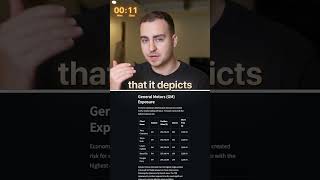
One of the first AI systems Benchling ever built wasn't a chatbot or a search tool — it was a data entry agent that runs the same problem through multiple model families simultaneously and cross-compares the results. The insight behind it: when two models disagree, there's almost always an error. When they agree, the output is usually trustworthy enough to ship.
Nicholas Larus-Stone, Head of AI at Benchling, breaks down how this pattern started as a data quality mechanism and expanded into harder scientific questions — and why, if you actually want to improve performance on a task, running one model multiple times doesn't cut it. You need to go multi-model and spend more tokens.
This clip is from Max Agency, a podcast about how the best AI agents are actually being built. Hosted by Harrison Chase, CEO of LangChain, each episode goes deep with the builders designing, deploying, and learning from real agent systems in the wild. From architecture decisions to evals, tooling, and failure modes, Max Agency is for people who want to understand what it really takes to build useful agents.
#aiagents #aiscience
Watch on YouTube ↗
(saves to browser)
Sign in to unlock AI tutor explanation · ⚡30
More on: Agent Foundations
View skill →







Related Reads
📰
📰
📰
📰
How AI Automates Candidate Interviews
Dev.to · MaxSoft
Building AI-Driven Wealth Software: Aggregation, RAG, and Custodial Integration
Dev.to · James Sanderson
Your AI Agent Has a Job Description. It Doesn’t Have Rules of Conduct.
Medium · Programming
Playwright can test Chrome extensions. So why does my AI agent still need my help?
Dev.to · frog404
🎓
Tutor Explanation

 DeepCamp AI