Basics of Inclusive Design for Online Education
This course provides instruction and strategies to support you in developing a course that is inclusive to students with a wide range of abilities, including students with disabilities. We cover effective practices to increase inclusion and avoid some of the common accessibility issues that can arise in an online course.
In particular, Basics of Inclusive Design Online covers course organization, the accessibility of Microsoft Office and PDF documents, making course instruction pages accessible, captioning of videos, making images accessible, and designing for learning differences. We also discuss how inclusive course materials can help all students, including students without disabilities.
This course will appeal to those who want both a broad overview of the range of accessibility considerations and also a step-by-step guide of how to check documents for accessibility, caption a video, or prepare course content for non-visual users.
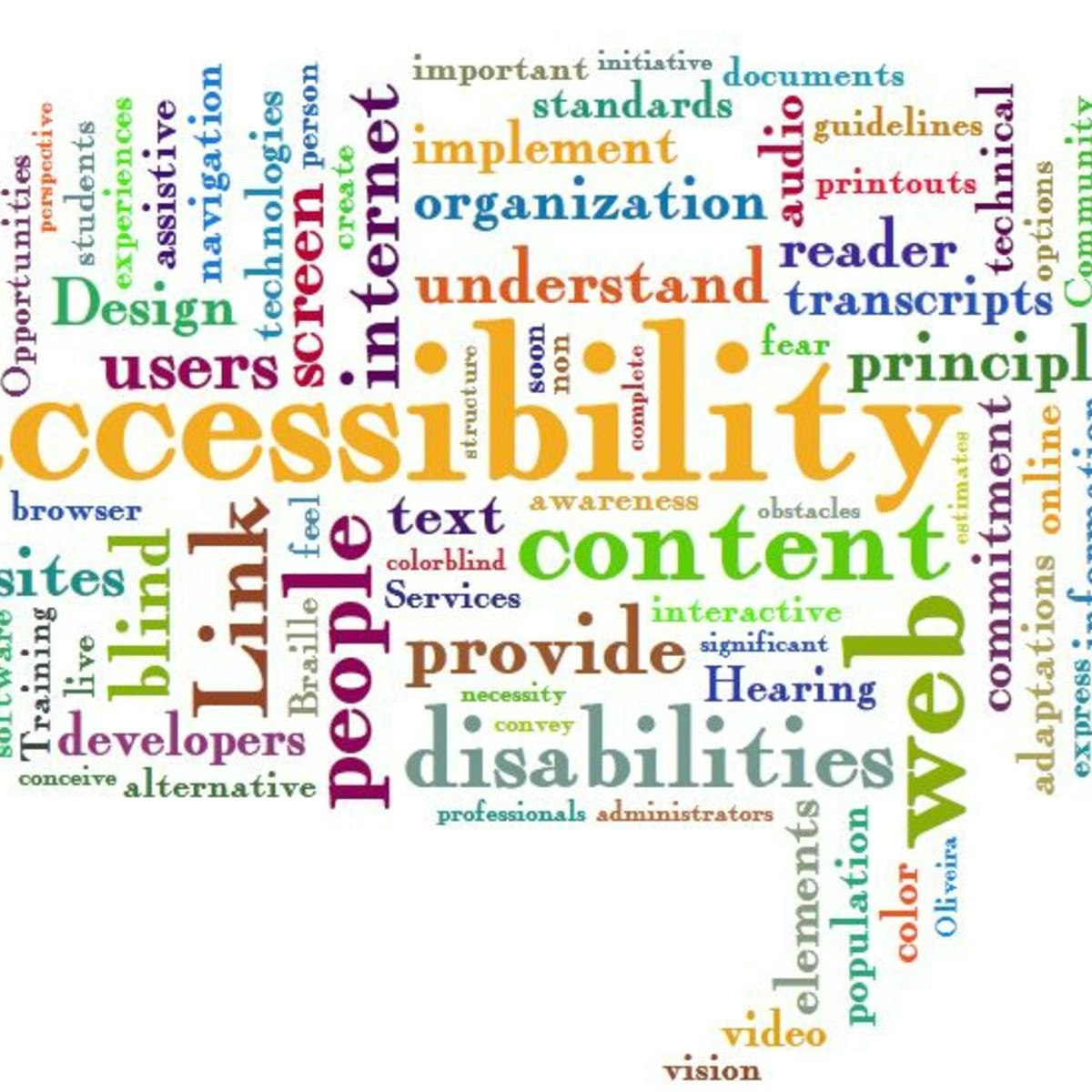
Course logo credit: "web accessibility word cloud" by Jill Wright (https://goo.gl/xyUoeU).
Copyright - some rights remain. See https://creativecommons.org/licenses/by/2.0/
Watch on Coursera ↗
(saves to browser)
Sign in to unlock AI tutor explanation · ⚡30
More on: UX Research
View skill →






![Brutally Honest UI/UX Reviews [LIVE]](https://i.ytimg.com/vi/-Rr2J16orfA/mqdefault.jpg)

Related AI Lessons
⚡
⚡
⚡
⚡
Big Tech firms are accelerating AI investments and integration, while regulators and companies focus on safety and responsible adoption.
Dev.to AI
Navigating the AI Revolution with Tom Resing
Medium · UX Design
Big Tech firms are accelerating AI investments and integration, while regulators and companies focus on safety and responsible adoption.
Dev.to AI
Why AI Innovations Can Backfire: Lessons from Pizza Hut's $100 Million Loss
Dev.to AI
🎓
Tutor Explanation

 DeepCamp AI