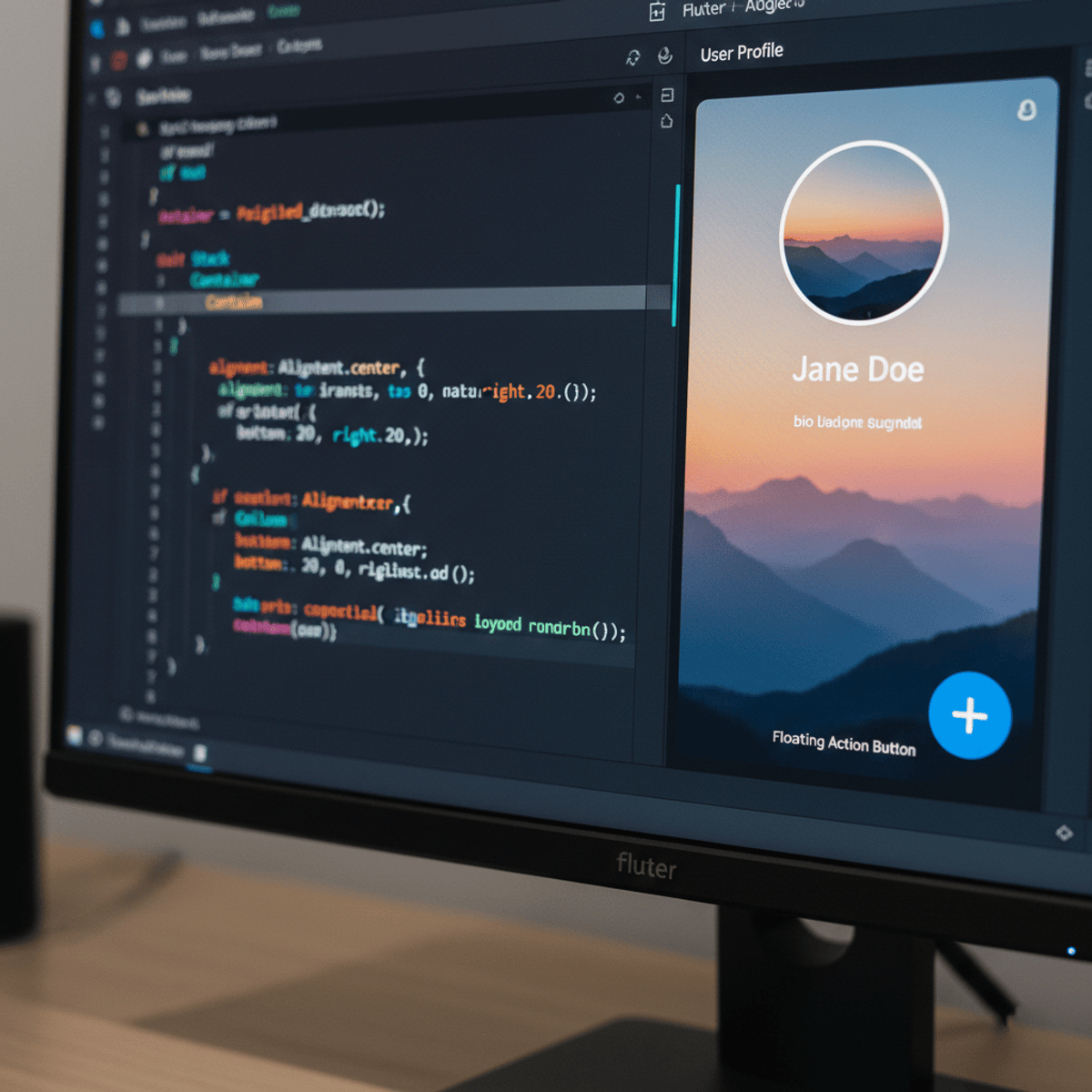
Apply Intermediate Flutter UI Design & Interaction
Skills:
UI Design80%
Key Takeaways
Applies intermediate Flutter UI design and interaction concepts using best practices
Original Description
By the end of this course, learners will be able to apply intermediate Flutter UI concepts, implement interactive widgets, design layered layouts, and construct real-world screens using best practices. Learners will gain the ability to manage user input, control interactions, and structure scalable Flutter interfaces that enhance usability and performance.
This course is designed for developers who already understand Flutter fundamentals and want to advance their UI development skills. Through focused, example-driven lessons, learners will explore practical use cases for tooltips, placeholders, radio buttons, checkboxes, floating action buttons, and pointer control. The course also dives into real-world UI patterns such as splash screens, IndexedStack layouts, and modular profile screens.
What makes this course unique is its hands-on, pattern-based approach. Each concept is taught through realistic examples that mirror production scenarios, helping learners bridge the gap between theory and application. Instead of isolated widgets, the course emphasizes decision-making—why and when to use specific UI components—so learners can build cleaner, more maintainable Flutter applications with confidence.
AI explanation not available for this lesson yet
This lesson is still being prepared for the AI tutor. In the meantime, explore lessons that are ready.
Browse explainer-ready lessons →
More on: UI Design
View skill →







Related Reads
📰
📰
📰
📰
Please don’t stretch your app for foldables
Medium · UX Design
Should UX designers still tell their story in their resume?
Medium · UX Design
Three.js threw its first conference. The best thing on stage was a button. | Muzli Blog
Medium · UX Design
AI Is Removing Designers From the Critical Path. That Doesn’t Make Design Less Important.
Medium · AI
🎓
Tutor Explanation
 DeepCamp AI