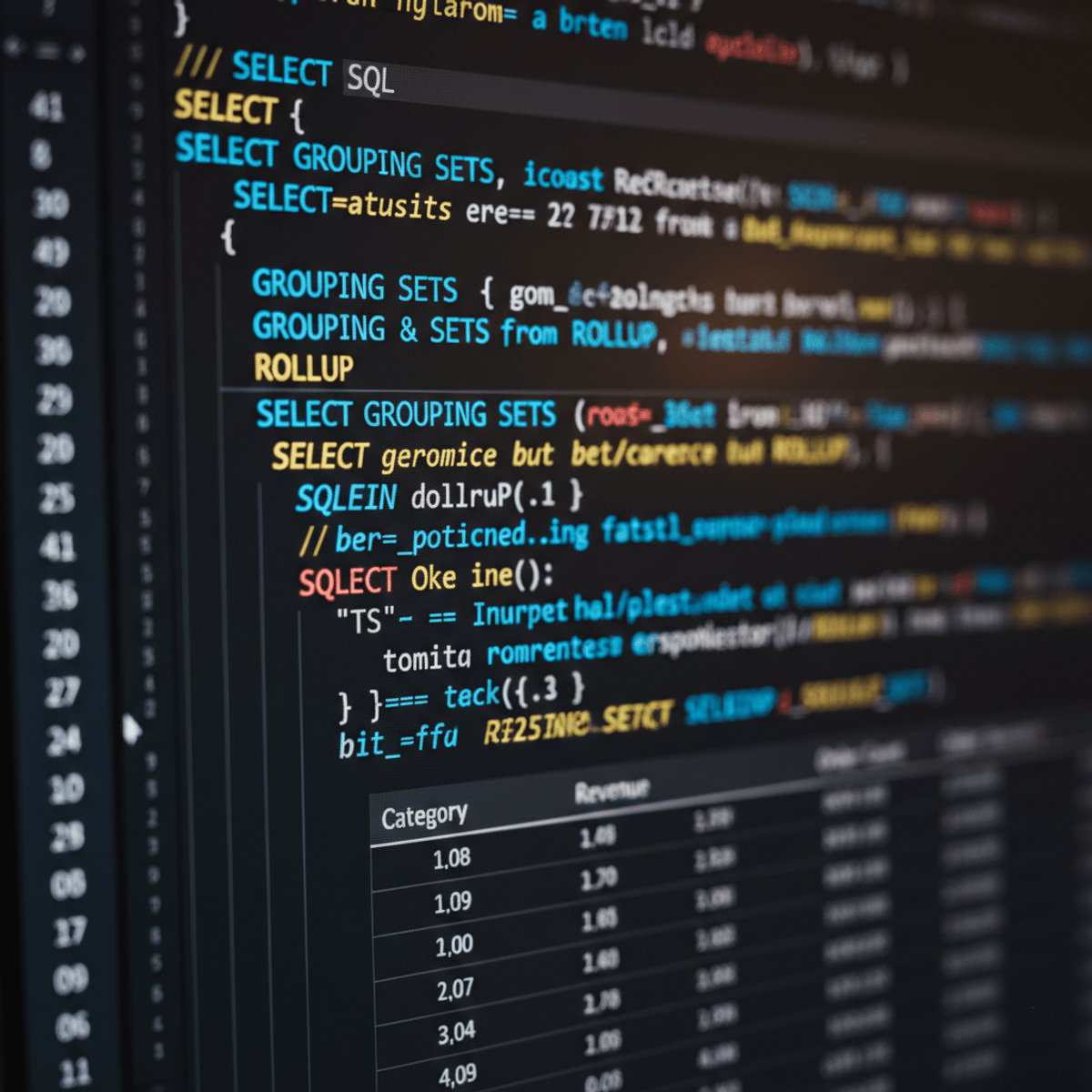
Analyze E-Commerce Data Using PostgreSQL
Skills:
SQL Analytics90%
Key Takeaways
Analyzes e-commerce data using PostgreSQL, applying SQL concepts and producing business-ready reports
Original Description
Learners will apply SQL concepts, analyze real-world e-commerce datasets, and produce business-ready reports using PostgreSQL. By the end of this course, learners will be able to design relational database structures, write optimized SQL queries, perform advanced aggregations, and generate actionable insights from transactional data.
This course provides a hands-on, project-driven approach to mastering PostgreSQL for data analysis. Learners begin by setting up the PostgreSQL environment and building a strong foundation in database management, table design, data types, and constraints. They then progress to querying real e-commerce datasets, applying filters, subqueries, joins, and aggregation techniques to extract meaningful information. Advanced topics such as grouping sets, cube, and rollup are introduced to support multidimensional analysis and reporting.
What makes this course unique is its end-to-end focus on a practical e-commerce reporting project. Rather than learning SQL in isolation, learners apply each concept directly to business scenarios, culminating in a comprehensive reporting assignment. This course is ideal for aspiring data analysts, business intelligence professionals, and anyone seeking to strengthen their SQL skills for real-world data analysis and reporting.
Watch on External: Coursera ↗
(saves to browser)
Sign in to unlock AI tutor explanation · ⚡30
More on: SQL Analytics
View skill →







Related AI Lessons
🎓
Tutor Explanation

 DeepCamp AI