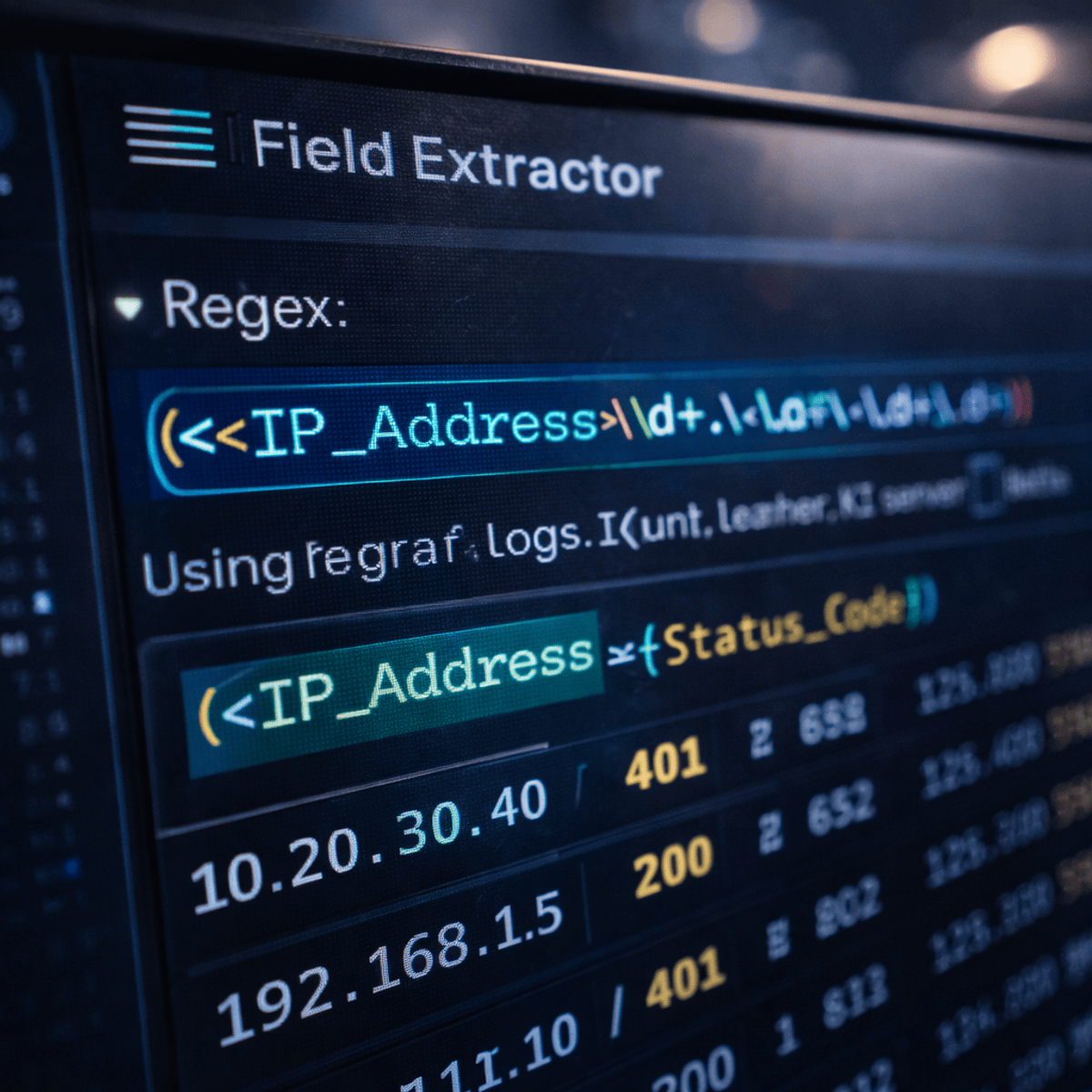
Analyze and Automate Data Using Splunk Knowledge Objects
Skills:
Systems Design Basics90%
Key Takeaways
Analyzes and automates data using Splunk knowledge objects, field extractions, and workflows
Original Description
Learners will analyze, enrich, and automate Splunk data using knowledge objects, field extractions, workflows, and alerting mechanisms to transform raw machine data into actionable insights. By the end of this course, learners will be able to standardize data using information models, enrich events with lookups and calculated fields, structure unstructured logs through advanced extraction techniques, and design alerts and workflows that support proactive monitoring and investigation.
This course benefits aspiring Splunk administrators, security analysts, and data engineers by providing practical, job-ready skills that improve search efficiency, data consistency, and operational intelligence. Learners gain hands-on understanding of how Splunk knowledge objects operate at search time, allowing flexible enhancements without reindexing data. The course also demonstrates how to connect insights to action through workflow integrations and alert automation.
What makes this course unique is its end-to-end focus on Splunk knowledge objects—from foundational concepts to advanced implementation—combined with real-world scenarios, graded assessments, and best-practice design patterns. Rather than focusing only on commands, the course emphasizes analytical thinking, reusability, and scalable Splunk design, enabling learners to build robust, enterprise-ready Splunk environments.
Watch on External: Coursera ↗
(saves to browser)
Sign in to unlock AI tutor explanation · ⚡30
More on: Systems Design Basics
View skill →







Related AI Lessons
⚡
⚡
⚡
⚡
The Hardest Part Of Microservices Is Undoing What Already Succeeded
Medium · Programming
What OOP Actually Buys You (And Why “Real World Modeling” Is a Lie)
Medium · Programming
Data Partitioning in System Design: Why Every Scalable Application Depends on It
Medium · Programming
Why Realtime Collaboration Is Harder Than It Looks?
Medium · JavaScript
🎓
Tutor Explanation

 DeepCamp AI