
Algorithmic Solutions: Design, Problem Solving, Reporting
Skills:
Algorithm Basics80%
Key Takeaways
Designs algorithmic solutions for problem solving and reporting using theoretical lessons and practical examples
Original Description
“Algorithmic Solutions: Design, Problem Solving, Reporting” is a comprehensive course designed to introduce learners to the fundamental concepts of algorithm design, advanced problem-solving techniques, and effective reporting of results. This course blends theoretical lessons with practical examples to equip participants with the skills necessary to approach complex problems, develop optimized algorithms, and communicate their solutions clearly.
I recall a pivotal project where our team's initial approach to a complex scheduling algorithm led to inefficiencies that nearly jeopardized the project's deadline. This experience taught us the critical importance of robust algorithm design and adaptive problem-solving. It's a lesson in the necessity of not just solving problems but solving them right—the first time.
For instance, participants will learn how to implement and analyze the Bubble Sort algorithm to understand sorting techniques and use constraint satisfaction techniques to solve Sudoku puzzles and scheduling problems. These examples ensure that learners can directly apply theoretical knowledge to real-world scenarios, enhancing both their problem-solving abilities and practical skills.
This course caters to aspiring software engineers, computer science students, IT professionals, and data analysts eager to deepen their understanding of algorithmic design and problem-solving. Participants will explore advanced techniques vital for optimizing software performance and enhancing computational efficiency. Whether you're looking to advance your career or solidify your academic foundation, this course equips you with essential skills to navigate complex programming challenges and excel in diverse IT roles.
Participants should have a basic grasp of programming fundamentals, including variables, loops, conditionals, and basic data structures like arrays and lists. Additionally, a fundamental understanding of mathematics is required, particularly in algebra, disc
Watch on External: Coursera ↗
(saves to browser)
Sign in to unlock AI tutor explanation · ⚡30
More on: Algorithm Basics
View skill →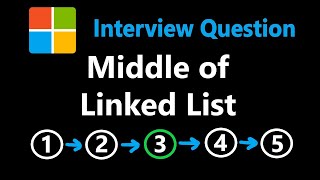




Related Reads
📰
📰
📰
📰
Morris Pre Order Traversal
Dev.to · Jaspreet singh
Advanced Stack ApplicationsData Structures and Algorithms Deep‑Dive — Advanced Stack Applications…
Medium · Programming
The Minecraft anvil is a tree-cost optimization problem in disguise
Dev.to · Mark
KMP Algorithm (Knuth-Morris-Pratt): The Smart Way to Perform String Matching in O(N)
Dev.to · Jaspreet singh
🎓
Tutor Explanation

 DeepCamp AI