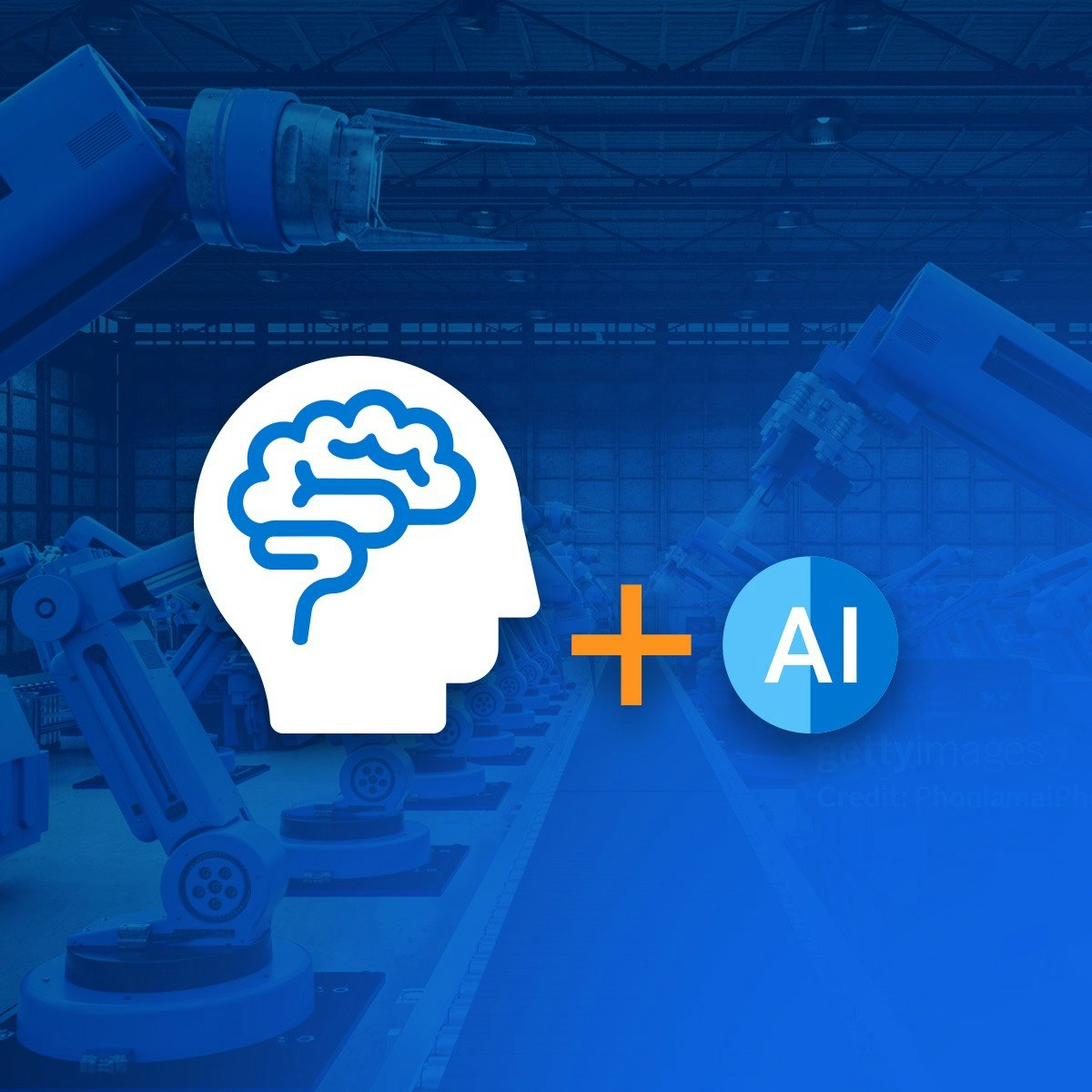
AI for Engineering: An Overview
Key Takeaways
Introduces AI for engineering using machine learning fundamentals to analyze sensor data and improve system reliability
Original Description
Modern engineering systems generate massive amounts of sensor data, simulations, logs, and performance metrics; far more than teams can manually analyze. AI helps engineers cut through this complexity, uncovering early warnings, hidden patterns, and system behaviors that traditional tools often miss. It accelerates testing, improves reliability, and supports better decisions across the entire product lifecycle.
This course introduces how AI can complement engineering workflows in modeling and simulation, production, and real‑time operations. You’ll see how data‑driven reduced‑order models and physics‑informed machine learning speed up simulation; how virtual sensors extend what you can measure; and how computer vision, anomaly detection, predictive maintenance, and digital twins improve quality and reliability from design throughout the lifecycle.
You'll also learn foundational responsible‑AI principles, such as explainability, interpretability, and observability, so you can evaluate AI‑generated insights and build trust in the systems you develop.
By the end, you’ll be able to identify where AI can meaningfully support your work and confidently discuss opportunities and trade‑offs with technical teams.
Enroll to gain a clear, high‑level perspective on AI’s role in engineering and begin exploring how it can enhance your work.
Watch on External: Coursera ↗
(saves to browser)
Sign in to unlock AI tutor explanation · ⚡30
More on: ML Maths Basics
View skill →



Related Reads
📰
📰
📰
📰
How to Build a High-Quality Dataset?
Medium · Machine Learning
100 PYTHON INTERVIEW QUESTIONS & ANSWERS
Medium · Programming
GossipGraD: Scalable Deep Learning using Gossip Communication based AsynchronousGradient Descent
Dev.to AI
9 Python Insights Every ML Engineer Gains Over Time
Medium · AI
🎓
Tutor Explanation
 DeepCamp AI