Advanced Deep Learning Techniques for Computer Vision
Key Takeaways
Trains and calibrates specialized models for anomaly detection in computer vision using deep learning techniques
Original Description
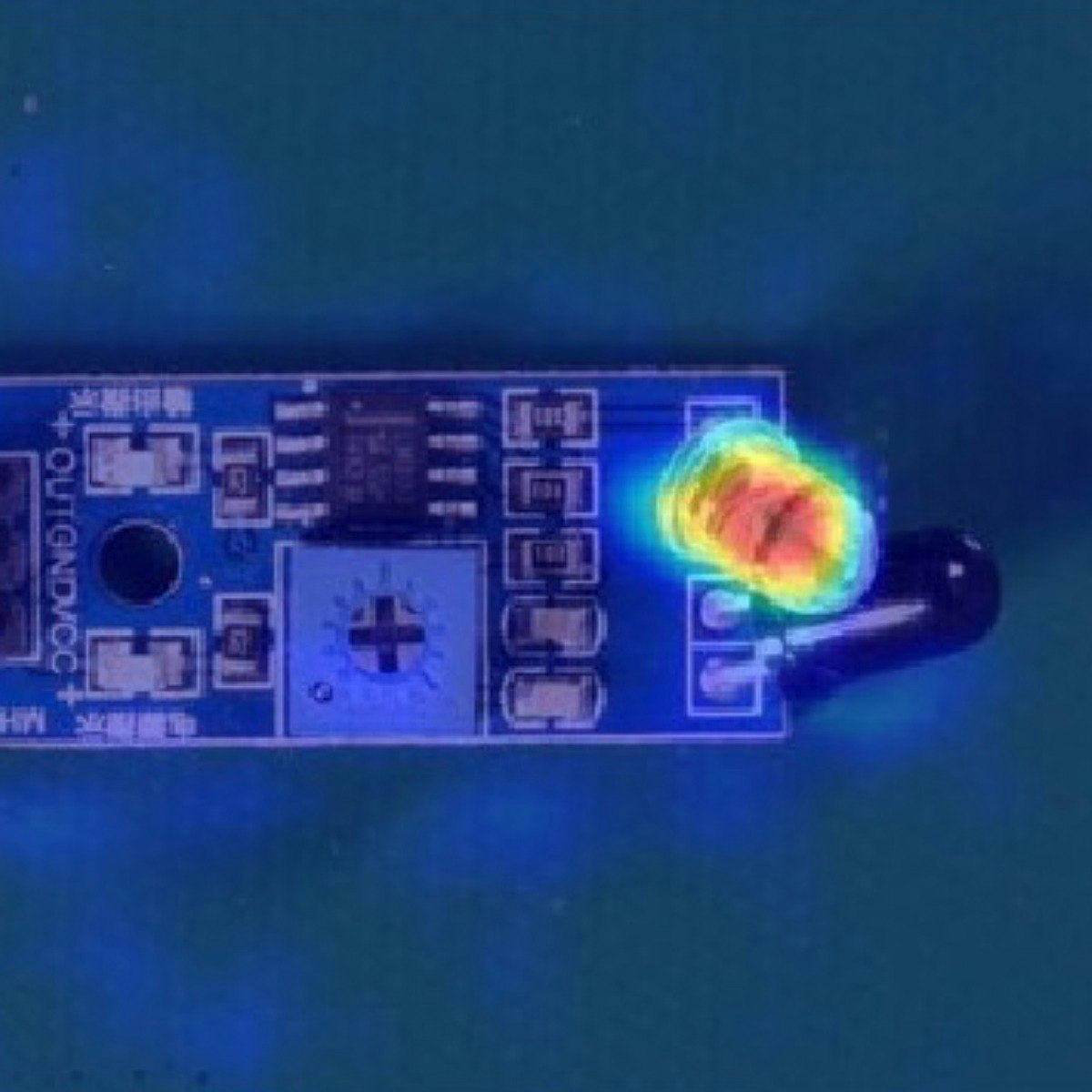
Visual inspection and medical imaging are two applications that aim to find anything unusual in images. In this course, you’ll train and calibrate specialized models known as anomaly detectors to identify defects. You’ll also use advanced techniques to overcome common data challenges with deep learning. AI-assisted labeling is a technique to auto-label images, saving time and money when you have tens of thousands of images. If you have too few images, you’ll generate synthetic training images using data augmentation for situations where acquiring more data is expensive or impossible.
By the end of this course, you will be able to:
• Train anomaly detection models
• Generate synthetic training images using data augmentation
• Use AI-assisted annotation to label images and video files
• Import models from 3rd party tools like PyTorch
• Describe approaches to using your model outside of MATLAB
For the duration of the course, you will have free access to MATLAB, software used by top employers worldwide. The courses draw on the applications using MATLAB, so you spend less time coding and more time applying deep learning concepts.
Watch on External: Coursera ↗
(saves to browser)
Sign in to unlock AI tutor explanation · ⚡30
More on: CV Basics
View skill →



Related AI Lessons
⚡
⚡
⚡
⚡
Want to get started with deep learning
Reddit r/deeplearning
Building a Deepfake Detector From Scratch — What Nobody Tells You
Medium · Deep Learning
Unfolding the Meandering Path: High-Dimensional Invariance and the Flat 2D Plane of Neural…
Medium · Deep Learning
Implementing Neural Style Transfer from Scratch: The Project That Started It All
Medium · Deep Learning
🎓
Tutor Explanation

 DeepCamp AI