Your Model Can Train. But Can It Predict?
📰 Medium · Python
Learn why inference is crucial for ML projects to transition from training scripts to functional systems
Action Steps
- Build a simple ML model using Python and scikit-learn to understand the training process
- Run inference on the trained model to test its predictive capabilities
- Configure the model to optimize its performance on unseen data
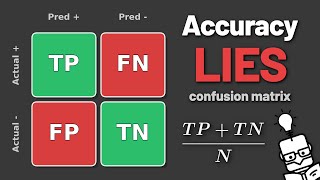
- Test the model's performance using metrics such as accuracy and F1 score
- Apply the model to a real-world problem to evaluate its effectiveness
Who Needs to Know This
Data scientists and ML engineers benefit from understanding the importance of inference in ML projects, as it enables them to deploy models that can make accurate predictions
Key Insight
💡 Inference is the critical step that transforms a trained ML model into a functional system
Share This
🤖 Inference is key to unlocking your ML model's predictive power!
Key Takeaways
Learn why inference is crucial for ML projects to transition from training scripts to functional systems
Full Article
Why inference is the moment your ML project stops being a training script and starts becoming a system Continue reading on Medium »


 DeepCamp AI