You Don’t Have an Angular Problem — You Have an Architecture Problem
📰 Medium · JavaScript
Angular problems are often symptoms of deeper architecture issues, learn to identify and address these underlying problems to improve your applications
Action Steps
- Identify performance issues and debugging nightmares in your Angular application
- Analyze your code for unclear or tightly coupled components
- Apply principles of good architecture, such as separation of concerns and loose coupling
- Use tools and frameworks to help with scaling and debugging
- Refactor your code to improve maintainability and scalability
Who Needs to Know This
Software engineers and developers working with Angular can benefit from understanding the importance of architecture in their applications, and how to identify and address potential issues
Key Insight
💡 Good architecture is key to building maintainable and scalable applications, and can help to prevent common issues with Angular
Share This
💡 Did you know that Angular problems are often symptoms of deeper architecture issues? Learn to identify and address these underlying problems to improve your applications #Angular #Architecture
Key Takeaways
Angular problems are often symptoms of deeper architecture issues, learn to identify and address these underlying problems to improve your applications
Full Article
Title: You Don’t Have an Angular Problem — You Have an Architecture Problem
URL Source: https://medium.com/@dipaksahirav/you-dont-have-an-angular-problem-you-have-an-architecture-problem-e17d2cb02432?source=rss------javascript-5
Published Time: 2026-05-07T02:33:37Z
Markdown Content:
# You Don’t Have an Angular Problem — You Have an Architecture Problem | by Dipak Ahirav | May, 2026 | Medium
[Sitemap](https://medium.com/sitemap/sitemap.xml)
[Open in app](https://play.google.com/store/apps/details?id=com.medium.reader&referrer=utm_source%3DmobileNavBar&source=post_page---top_nav_layout_nav-----------------------------------------)
Sign up
[Sign in](https://medium.com/m/signin?operation=login&redirect=https%3A%2F%2Fmedium.com%2F%40dipaksahirav%2Fyou-dont-have-an-angular-problem-you-have-an-architecture-problem-e17d2cb02432&source=post_page---top_nav_layout_nav-----------------------global_nav------------------)
[](https://medium.com/?source=post_page---top_nav_layout_nav-----------------------------------------)
Get app
[Write](https://medium.com/m/signin?operation=register&redirect=https%3A%2F%2Fmedium.com%2Fnew-story&source=---top_nav_layout_nav-----------------------new_post_topnav------------------)
[Search](https://medium.com/search?source=post_page---top_nav_layout_nav-----------------------------------------)
Sign up
[Sign in](https://medium.com/m/signin?operation=login&redirect=https%3A%2F%2Fmedium.com%2F%40dipaksahirav%2Fyou-dont-have-an-angular-problem-you-have-an-architecture-problem-e17d2cb02432&source=post_page---top_nav_layout_nav-----------------------global_nav------------------)

[Mastodon](https://me.dm/@dipaksahirav)
Member-only story
# You Don’t Have an Angular Problem — You Have an Architecture Problem
## What 50 days of building, debugging, and scaling really teaches you
[](https://medium.com/@dipaksahirav?source=post_page---byline--e17d2cb02432---------------------------------------)
[Dipak Ahirav](https://medium.com/@dipaksahirav?source=post_page---byline--e17d2cb02432---------------------------------------)
Follow
3 min read
·
1 hour ago
[](https://medium.com/m/signin?actionUrl=https%3A%2F%2Fmedium.com%2F_%2Fvote%2Fp%2Fe17d2cb02432&operation=register&redirect=https%3A%2F%2Fmedium.com%2F%40dipaksahirav%2Fyou-dont-have-an-angular-problem-you-have-an-architecture-problem-e17d2cb02432&user=Dipak+Ahirav&userId=101ba426fa09&source=---header_actions--e17d2cb02432---------------------clap_footer------------------)
[](https://medium.com/m/signin?actionUrl=https%3A%2F%2Fmedium.com%2F_%2Fbookmark%2Fp%2Fe17d2cb02432&operation=register&redirect=https%3A%2F%2Fmedium.com%2F%40dipaksahirav%2Fyou-dont-have-an-angular-problem-you-have-an-architecture-problem-e17d2cb02432&source=---header_actions--e17d2cb02432---------------------bookmark_footer------------------)
[Listen](https://medium.com/m/signin?actionUrl=https%3A%2F%2Fmedium.com%2Fplans%3Fdimension%3Dpost_audio_button%26postId%3De17d2cb02432&operation=register&redirect=https%3A%2F%2Fmedium.com%2F%40dipaksahirav%2Fyou-dont-have-an-angular-problem-you-have-an-architecture-problem-e17d2cb02432&source=---header_actions--e17d2cb02432---------------------post_audio_button------------------)
Share
Press enter or click to view image in full size
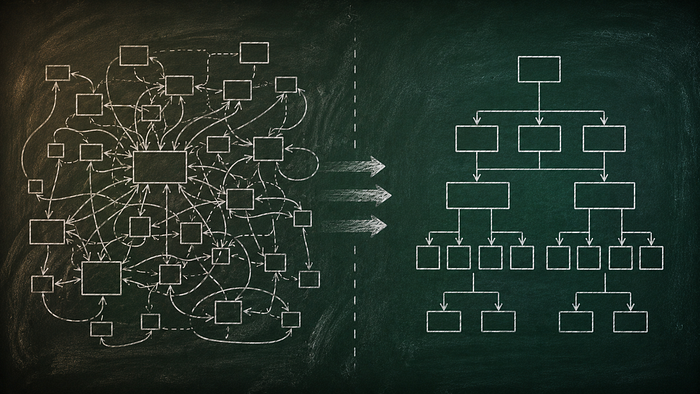
## 🧠 The Truth Most Developers Realize Late
After working on multiple Angular projects…
After facing:
* Performance issues
* Debugging nightmares
* Unclear code
* Scaling problems
You start to see a pattern:
> _The problem was never Angular._
It was always:
👉 **Architecture.**
## ⚠️ The Biggest Misconception
When something goes wrong, we blame:
* Angular
* RxJS
* Signals
* Change detection
But in reality:
> _The
URL Source: https://medium.com/@dipaksahirav/you-dont-have-an-angular-problem-you-have-an-architecture-problem-e17d2cb02432?source=rss------javascript-5
Published Time: 2026-05-07T02:33:37Z
Markdown Content:
# You Don’t Have an Angular Problem — You Have an Architecture Problem | by Dipak Ahirav | May, 2026 | Medium
[Sitemap](https://medium.com/sitemap/sitemap.xml)
[Open in app](https://play.google.com/store/apps/details?id=com.medium.reader&referrer=utm_source%3DmobileNavBar&source=post_page---top_nav_layout_nav-----------------------------------------)
Sign up
[Sign in](https://medium.com/m/signin?operation=login&redirect=https%3A%2F%2Fmedium.com%2F%40dipaksahirav%2Fyou-dont-have-an-angular-problem-you-have-an-architecture-problem-e17d2cb02432&source=post_page---top_nav_layout_nav-----------------------global_nav------------------)
[](https://medium.com/?source=post_page---top_nav_layout_nav-----------------------------------------)
Get app
[Write](https://medium.com/m/signin?operation=register&redirect=https%3A%2F%2Fmedium.com%2Fnew-story&source=---top_nav_layout_nav-----------------------new_post_topnav------------------)
[Search](https://medium.com/search?source=post_page---top_nav_layout_nav-----------------------------------------)
Sign up
[Sign in](https://medium.com/m/signin?operation=login&redirect=https%3A%2F%2Fmedium.com%2F%40dipaksahirav%2Fyou-dont-have-an-angular-problem-you-have-an-architecture-problem-e17d2cb02432&source=post_page---top_nav_layout_nav-----------------------global_nav------------------)

[Mastodon](https://me.dm/@dipaksahirav)
Member-only story
# You Don’t Have an Angular Problem — You Have an Architecture Problem
## What 50 days of building, debugging, and scaling really teaches you
[](https://medium.com/@dipaksahirav?source=post_page---byline--e17d2cb02432---------------------------------------)
[Dipak Ahirav](https://medium.com/@dipaksahirav?source=post_page---byline--e17d2cb02432---------------------------------------)
Follow
3 min read
·
1 hour ago
[](https://medium.com/m/signin?actionUrl=https%3A%2F%2Fmedium.com%2F_%2Fvote%2Fp%2Fe17d2cb02432&operation=register&redirect=https%3A%2F%2Fmedium.com%2F%40dipaksahirav%2Fyou-dont-have-an-angular-problem-you-have-an-architecture-problem-e17d2cb02432&user=Dipak+Ahirav&userId=101ba426fa09&source=---header_actions--e17d2cb02432---------------------clap_footer------------------)
[](https://medium.com/m/signin?actionUrl=https%3A%2F%2Fmedium.com%2F_%2Fbookmark%2Fp%2Fe17d2cb02432&operation=register&redirect=https%3A%2F%2Fmedium.com%2F%40dipaksahirav%2Fyou-dont-have-an-angular-problem-you-have-an-architecture-problem-e17d2cb02432&source=---header_actions--e17d2cb02432---------------------bookmark_footer------------------)
[Listen](https://medium.com/m/signin?actionUrl=https%3A%2F%2Fmedium.com%2Fplans%3Fdimension%3Dpost_audio_button%26postId%3De17d2cb02432&operation=register&redirect=https%3A%2F%2Fmedium.com%2F%40dipaksahirav%2Fyou-dont-have-an-angular-problem-you-have-an-architecture-problem-e17d2cb02432&source=---header_actions--e17d2cb02432---------------------post_audio_button------------------)
Share
Press enter or click to view image in full size

## 🧠 The Truth Most Developers Realize Late
After working on multiple Angular projects…
After facing:
* Performance issues
* Debugging nightmares
* Unclear code
* Scaling problems
You start to see a pattern:
> _The problem was never Angular._
It was always:
👉 **Architecture.**
## ⚠️ The Biggest Misconception
When something goes wrong, we blame:
* Angular
* RxJS
* Signals
* Change detection
But in reality:
> _The
 DeepCamp AI