When Physics Gets It Almost Right: Building an ML Correction Layer for ECMWF Temperature Forecasts
📰 Medium · Python
Learn to build an ML correction layer for temperature forecasts using Python, Random Forest, and FastAPI to reduce systematic bias in numerical weather predictions
Action Steps
- Collect and preprocess 5 million operational records of temperature forecasts
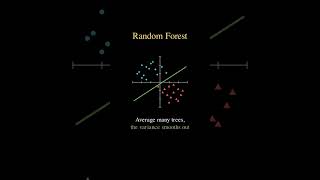
- Train a Random Forest model to predict the systematic bias in the forecasts
- Build a FastAPI service to deploy the ML correction layer
- Configure the service to receive forecast data and return corrected temperatures
- Test the ML correction layer using historical data to evaluate its performance
Who Needs to Know This
Data scientists and meteorologists can benefit from this approach to improve the accuracy of temperature forecasts, and software engineers can learn from the implementation of the FastAPI service
Key Insight
💡 Using a Random Forest model and FastAPI service, you can build an ML correction layer to reduce systematic bias in numerical weather predictions
Share This
🌡️ Improve temperature forecasts with ML! 🌟
Key Takeaways
Learn to build an ML correction layer for temperature forecasts using Python, Random Forest, and FastAPI to reduce systematic bias in numerical weather predictions
Full Article
How I used 5 million operational records, a Random Forest, and a FastAPI service to shave systematic bias off numerical weather predictions Continue reading on Medium »

 DeepCamp AI