The "No-Code" Scaling Paradox: Why Your Frankenstein Architecture Will Eventually Fail
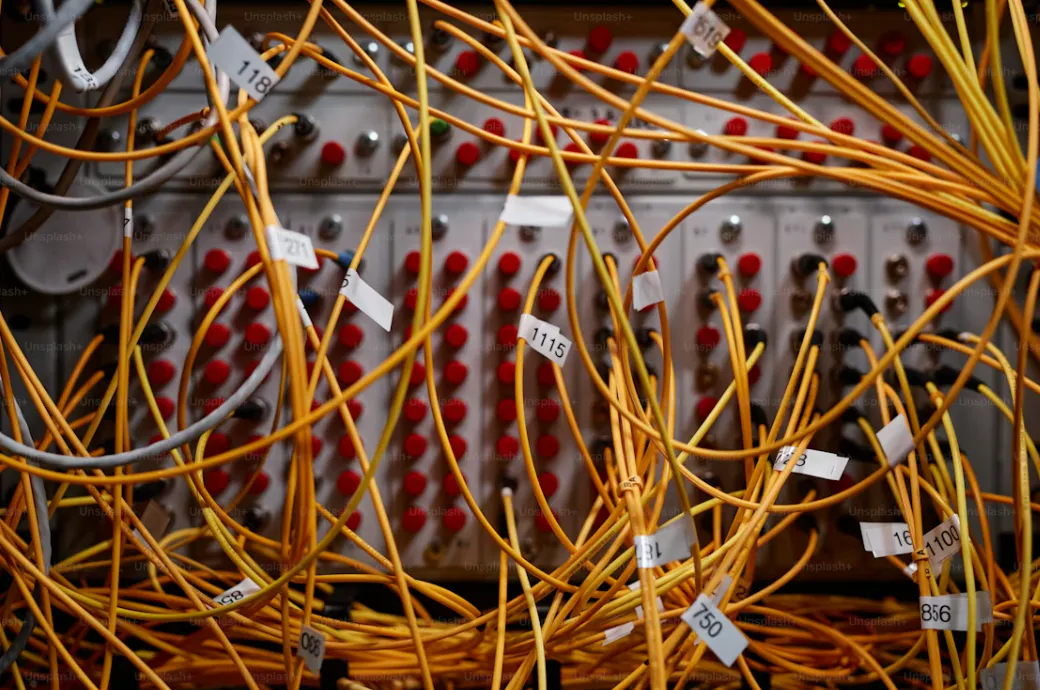
The 'no-code' scaling paradox occurs when companies rely on no-code tools to build and scale their applications, but ultimately end up with a 'Frankenstein architecture' that is brittle, hard to maintain, and prone to failure.
- Recognize the limitations of no-code tools and their potential to create a 'Frankenstein architecture'
- Design a scalable and maintainable architecture from the outset
- Implement a modular and flexible design that can adapt to changing requirements
- Monitor and maintain the application's architecture to prevent technical debt from accumulating
This article is relevant to software engineers, product managers, and entrepreneurs who are building and scaling applications, as it highlights the potential pitfalls of relying on no-code tools and the importance of designing a scalable and maintainable architecture.
💡 The 'no-code' scaling paradox occurs when companies prioritize short-term gains over long-term scalability and maintainability, leading to a brittle and prone to failure architecture.
💡 The 'no-code' scaling paradox: how relying on no-code tools can lead to a brittle, hard-to-maintain 'Frankenstein architecture' #softwareengineering #productmanagement
Key Takeaways
The 'no-code' scaling paradox occurs when companies rely on no-code tools to build and scale their applications, but ultimately end up with a 'Frankenstein architecture' that is brittle, hard to maintain, and prone to failure.
Full Article
# The "No-Code" Scaling Paradox: Why Your Frankenstein Architecture Will Eventually Fail | HackerNoon
Discover Anything
[ Hackernoon](https://hackernoon.com/)
Login
Signup[Write](https://hackernoon.com/new)
[READ](https://hackernoon.com/c/)
[TOP BLOGS](https://hackernoon.com/tagged/hackernoon-top-story)
[WRITE NOW](https://app.hackernoon.com/new)
[BUSINESS BLOGGING](https://business.hackernoon.com/business-blogging)
[HACKATHONS](https://hackernoon.com/technology-hackathons)
[ABOUT](https://about.hackernoon.com/)
More
[ Download the Guide](https://www.yubico.com/resource/how-to-get-started-with-passwordless-using-device-bound-passkeys/?utm_source=hackernoon&utm_medium=referral&utm_campaign=Brand_Hackernoon-How-to-Get-Started-ToFu_Billboard_701Wy00000WeXKq_NAM)
# The "No-Code" Scaling Paradox: Why Your Frankenstein Architecture Will Eventually Fail
by
**Paco Salas**
[ by Paco Salas@pacosalas](https://hackernoon.com/u/pacosalas)
Full-stack developer and cloud architecture enthusiast. I specialize in auditing technical debt and helping startups transition from 'MVP-hell' to s
Subscribe
April 2nd, 2026

TLDR


[**GPTZero AI Detection**Model 3.7b We are confident this text is entirely human. GPTZero is hiring engineers and expanding their team to build the verification layer for the internet. Join now](https://jobs.ashbyhq.com/GPTZero?utm_source=hackernoon)
Your browser does not support the `audio` element.Your browser does not support the `audio` element.
Audio Presented by
Speed 1x
Voice
Dr. One Ms. Hacker 



by Paco Salas@pacosalas
[ DeepCamp AI